


You should complete chimney work before your roof replacement in nearly every case. Have the chimney inspected first, so structural defects, cap damage, or failing mortar joints surface early. When you repair the chimney first, roofing crews build the system around a stable structure with fresh flashing that protects your investment long-term. You’ll also avoid tearing out new shingles later for flashing access. Below, you’ll find the defects, exceptions, and coordination steps that make this sequence work.
Key Takeaways
- Yes, complete chimney work before roof replacement so crews build the roofing system around a stable chimney with fresh flashing.
- Inspect the chimney first to catch structural defects, cap damage, or failing mortar joints before shingles conceal them.
- Finish tuckpointing, brick repair, and crown work early to prevent debris from puncturing or scuffing new shingles.
- Embed counterflashing in mortar and replace step flashing beforehand, since reglet cuts need cured mortar and exposed roof deck.
- Chimney work can wait only for minor cosmetic repairs or spot sealing that never disturb flashing, reglet cuts, or roof edge.
Should chimney work be completed before a roof replacement
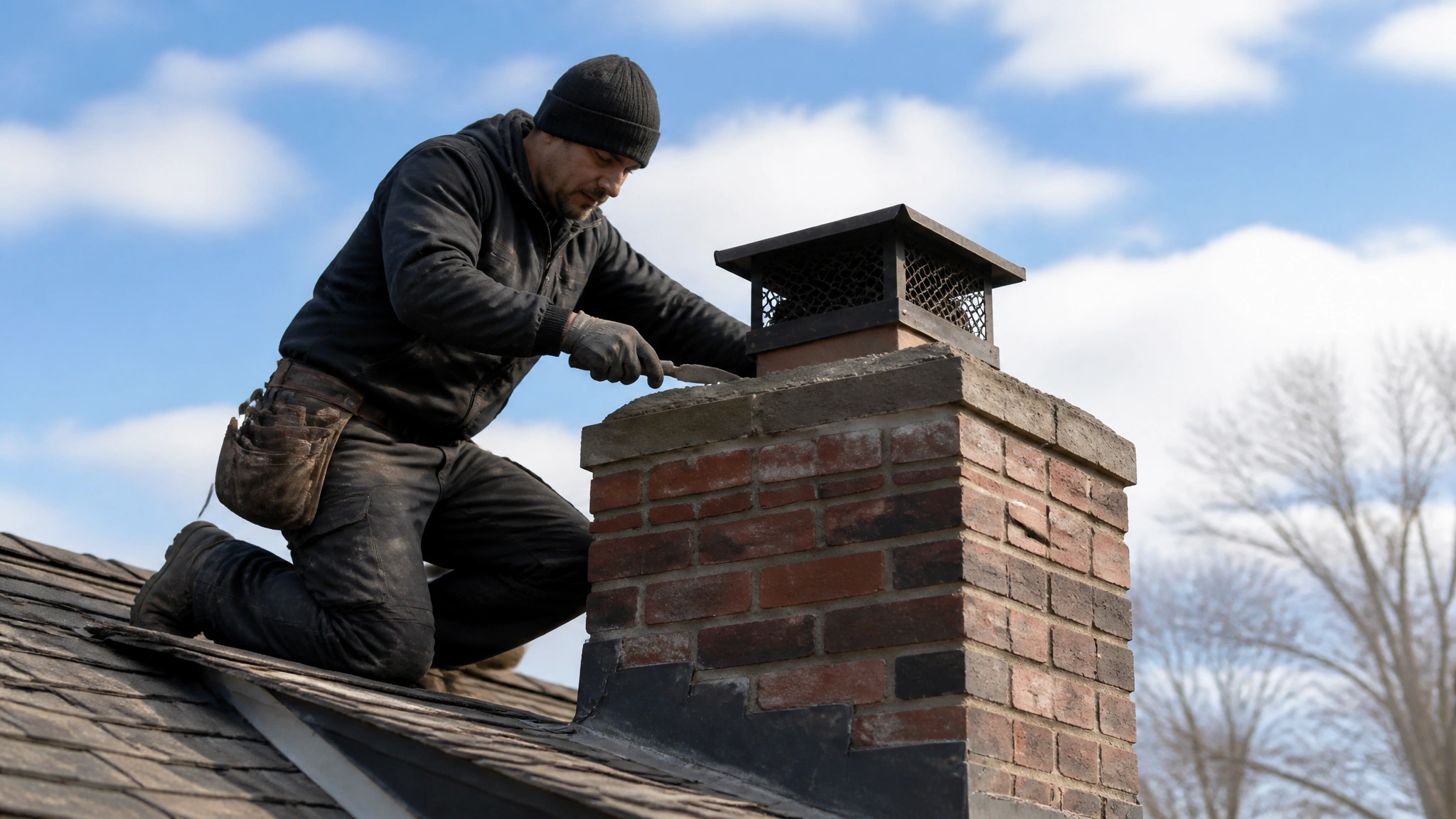
Chimney work should be completed before a roof replacement in nearly every case. Completing chimney repair before a new roof lets your roofing crew build the system around a stable chimney with fresh flashing, which protects your investment long-term. Scheduling chimney work before roof replacement also keeps mortar, brick debris, and masonry tools from damaging newly installed shingles. When you coordinate chimney repair and roof replacement in this order, you reduce the risk of tearing out and cutting back new shingles later for flashing access. Have the chimney inspected first so structural defects, cap damage, or failing mortar joints surface early. The one exception: if your roof’s actively leaking, stabilize it before full masonry work proceeds.
Which chimney defects should be identified before reroofing
Three chimney defects should be identified before reroofing: deteriorated mortar joints, a damaged crown or cap, and failing flashing. Each of these structural or masonry problems will trigger callbacks once shingles cover the passage, so catching them keeps your flashing plan tight and your new roof intact.
Catch chimney defects before shingles hide them, deteriorated mortar, damaged crowns, and failing flashing all trigger costly callbacks later.
- Deteriorated mortar joints and cracked brick that need tuckpointing before counterflashing gets embedded.
- Damaged chimney crown or cap that lets water infiltrate the flue and roof deck below.
- Failing or rusted flashing where the step and counterflashing meet the roof covering.
Document each defect with photos before concealment.
How can damaged masonry interfere with roofing work

Damaged masonry interferes with roofing work by undermining the surfaces that flashing depends on, dropping debris that damages new materials, and forcing rework when unstable brick won’t hold. When mortar joints crumble, your counterflashing loses its anchor, so the reglet cuts won’t hold and water finds a path behind the shingles. Loose brick and failing crowns drop debris onto fresh underlayment, and a tool strike or falling fragment can puncture or scuff new shingles. If the chimney base shifts, your step flashing won’t seat cleanly against a stable surface, forcing rework. Deteriorated masonry also complicates the roof deck changeover, since you can’t tie shingles into a wall that’s spalling or spraying grit. Fix the brick and mortar first, then you’ll build flashing against something that actually stays sound.
Which chimney projects are usually better completed first
Chimney projects that touch flashing, mortar joints, or the roof deck are usually better completed first, because roofers build the shingle system around a stable chimney and fresh flashing. Proper chimney cricket maintenance helps divert water, prevent leaks, and protect the roof and chimney from costly damage.
| Chimney Project | Sequence First? | Reason |
|---|---|---|
| Counterflashing embedded in mortar | Yes | Reglet cuts must set before shingles |
| Tuckpointing and brick repair | Yes | Prevents debris on new shingles |
| Chimney crown or cap repair | Yes | Access needed before concealment |
| Step flashing replacement | Yes | Requires exposed roof deck |
| Minor surface sealing | No | Won’t disturb roof edge |
Complete these repairs before you set your reroof date to avoid costly callbacks.
When can chimney work safely wait until after reroofing
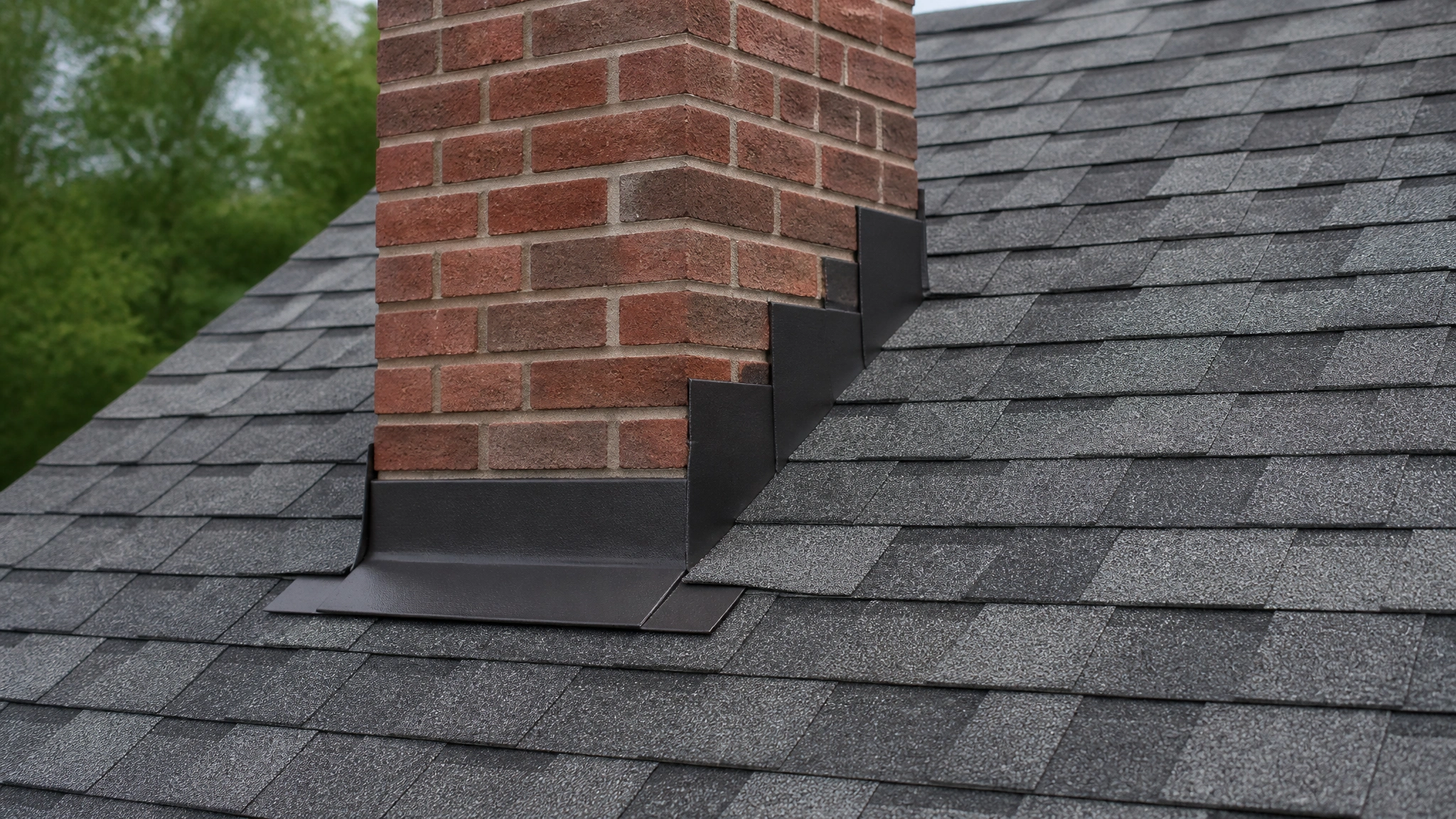
Chimney work can safely wait until after reroofing when the masonry repairs are minor and won’t touch the flashing or roof edge. If your chimney only needs surface-level attention and the flashing plan stays untouched, roof-first scheduling won’t force rework or shingle removal later.
You can defer chimney work when:
- Repairs stay cosmetic, minor surface tuckpointing or spot sealing that never disturbs the flashing, reglet cuts, or roof deck.
- An active leak demands priority, temporary roof stabilization and emergency weatherproofing stop water intrusion before full masonry work proceeds.
- Work integrates into one scope, the roofer already plans shingle removal around the chimney, letting both crews coordinate flashing and tie-ins together.
How should roofing and chimney contractors coordinate schedules
Roofing and chimney contractors should coordinate schedules by agreeing on sequence and access before anyone climbs a ladder. Confirm who inspects the chimney first, because the mason’s findings on mortar joints, crown condition, and counterflashing drive the roofing plan. You’ll want the mason and roofer to compare notes on reglet cuts, step flashing, and counterflashing depth so the details match the final shingle layout. Set the masonry repair to finish before underlayment goes down, giving mortar time to cure. Coordinate access windows so crews aren’t stacking scaffolding or tracking debris across fresh shingles. Agree on flashing measurements and tie-in points in writing. Photograph the chimney base before concealment, and confirm cleanup responsibilities so neither crew damages the other’s work. Chimney clearance requirements for metal roofs help ensure proper ventilation, prevent hazards, and reduce the risk of water buildup and costly roof damage.
How can homeowners decide the correct project sequence
Homeowners can decide the correct project sequence by starting with a professional chimney inspection, since the chimney’s condition dictates everything downstream. That assessment tells you whether masonry repairs, crown work, or flashing replacement are needed, which almost always pushes chimney work ahead of reroofing. If your roof’s leaking now, though, temporary stabilization comes first to stop water intrusion.
Start with a chimney inspection, its condition dictates everything downstream, unless active leaks demand emergency stabilization first.
Use these questions to decide your order:
- Does the chimney need masonry or flashing work? If yes, complete it before shingles go on to protect the new roof.
- Is the roof actively leaking? If yes, prioritize emergency weatherproofing first.
- Is chimney work minor and flashing-independent? If yes, roof-first sequencing may be acceptable.
When you’re unsure, default to chimney assessment first.
Check the Chimney Before the Roofing Crew Gets Started
A roof replacement is one of the best times to find out whether the chimney needs masonry, crown, or flashing work because the roof-to-chimney connection is about to be opened and rebuilt. Chimney Guard USA provides chimney inspections, brick and mortar repair, flashing repair, crown repair, leak repair, and chimney rebuild services throughout the Greater Atlanta area. Before your reroofing date arrives, call (877) 804-8273 to have the chimney checked so any needed repairs can be planned around the roofing work.
Frequently Asked Questions
How Much Does Combined Chimney and Roof Work Typically Cost?
Your combined cost depends on the chimney’s condition, whether you need step flashing, counterflashing, or both, your roof deck’s state, and how much masonry access the crew requires. You’ll get the most accurate number by scheduling a pre-roof chimney inspection first, which reveals hidden defects before you commit.
Do I Need Separate Permits for Chimney and Roofing Work?
You’ll often need separate permits, since chimney masonry and roofing typically fall under different code sections. Your local building department usually treats structural masonry work and reroofing as distinct scopes, each with its own inspection. Check with your jurisdiction before scheduling, because requirements vary widely. If your contractor’s handling both trades, confirm who’s pulling each permit. Don’t skip this step, unpermitted work can trigger failed inspections, fines, and problems when you sell.
Can One Contractor Handle Both Chimney and Roof Replacement?
Yes, one contractor can handle both, but you’ll want to confirm they’re qualified for masonry work, not just roofing. Many roofers subcontract chimney repairs to a mason, so ask who’s actually doing the tuckpointing, crown, and counterflashing. You’ll get cleaner flashing integration when a single team coordinates the sequence, chimney assessment first, masonry repair second, reroof third. Verify their credentials and insurance for both trades before you sign anything.
How Long Does a Typical Chimney-And-Roof Project Take?
You’ll typically spend a few days to a week on a combined chimney-and-roof project, depending on chimney condition and roof size. Plan on a day for chimney inspection and masonry repair, letting mortar cure before flashing work begins. Then you’re looking at one to three days for reroofing, including underlayment, shingles, and chimney tie-ins. Weather delays, hidden mortar damage, or deck rot can extend your timeline, so build in buffer days.
Will My Homeowners Insurance Cover Chimney or Roof Repairs?
It depends on your policy and the cause of damage. You’ll typically find coverage for sudden, accidental events like storms, hail, or falling trees, while gradual wear, aging mortar, and deferred maintenance usually aren’t covered. Check your specific policy language and document everything with dated photos before work begins. File promptly and get a professional inspection report. Your insurer often requires proof the damage wasn’t from long-term neglect, so keep thorough records.