Professional Chimney Damper Repair & Replacement Services
Your chimney damper acts as a heavy-duty seal between your living room and the outdoors. Located in the throat of your fireplace, a functional interior throat damper keeps heated air in your home when the fireplace is off and opens wide to vent toxic smoke when you light a fire.
When throat dampers rust shut, warp from extreme heat, or drop off their tracks, they cause severe draft loss, soaring energy bills, and dangerous smoke backdrafts. Our certified technicians provide expert throat damper adjustments, mechanical plate repairs, and full throat damper replacements.
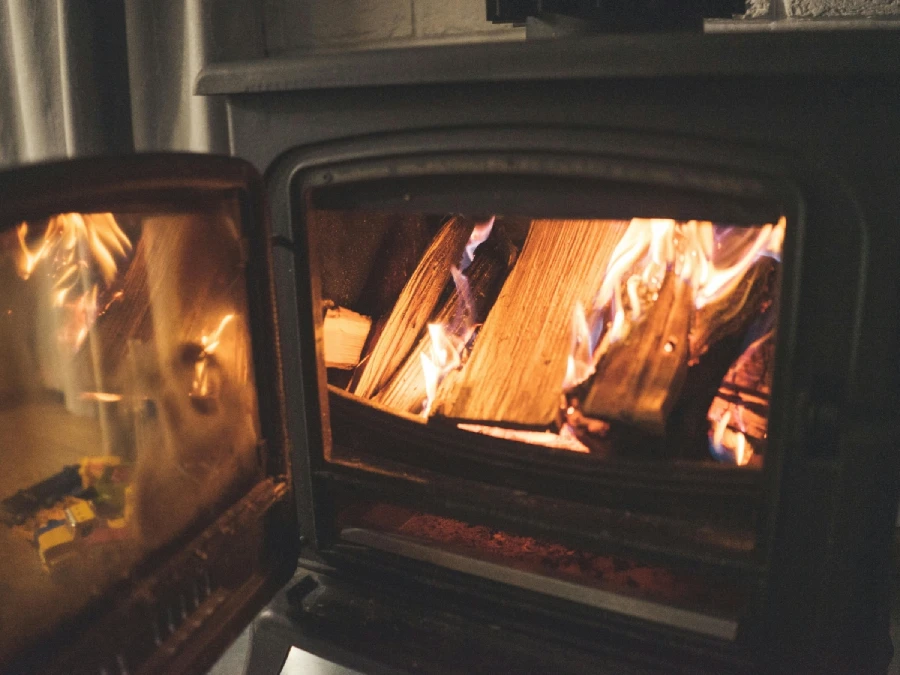
What Is a Throat Damper and How Does It Work?
Located at the bottom “throat” of the chimney stack right above the smoke shelf, a traditional throat damper consists of a cast-iron or steel flap plate operated by a hand lever, poker handle, or rotary gear.
When open, it allows hot gases and smoke to rise freely up the flue. When closed, it seals off the wide masonry throat to prevent conditioned air from escaping up your chimney stack. For homeowners looking for reliable maintenance, cost-effective chimney repair solutions are essential. They not only enhance safety but also improve the efficiency of your heating system. For those facing damage to their brickwork, brick repair services can provide the necessary support. Chimney odor removal is a crucial step in ensuring a pleasant home environment. It helps eliminate unpleasant smells that can infiltrate living spaces, often caused by creosote buildup or stagnant air.
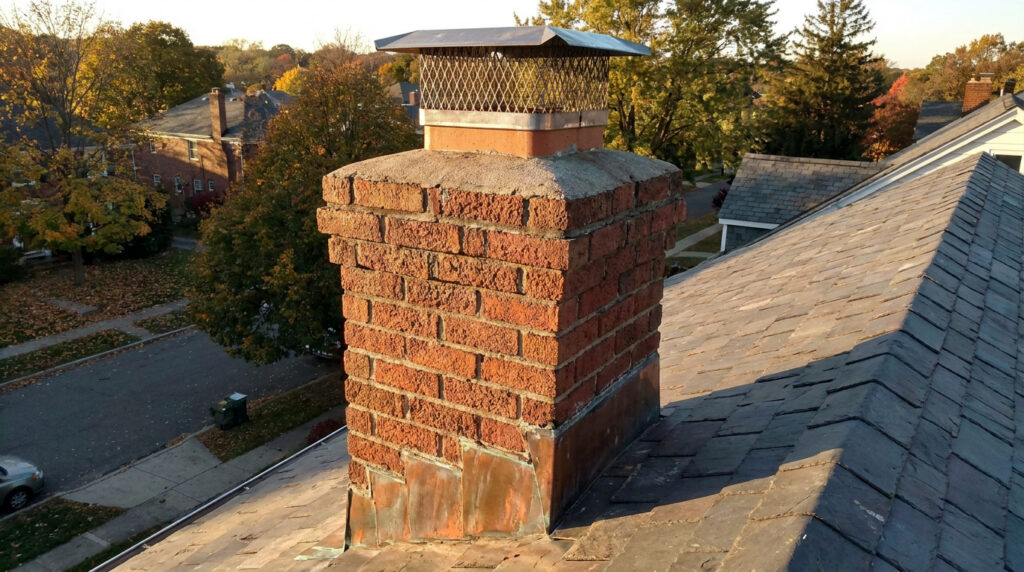
Throat Dampers vs. Top-Mount Dampers: Knowing the Difference
It is important to understand which type of damper system best fits your repair needs:
| Feature | Interior Throat Damper (This Page) | Top-Mount Damper (Specialized Upgrade) |
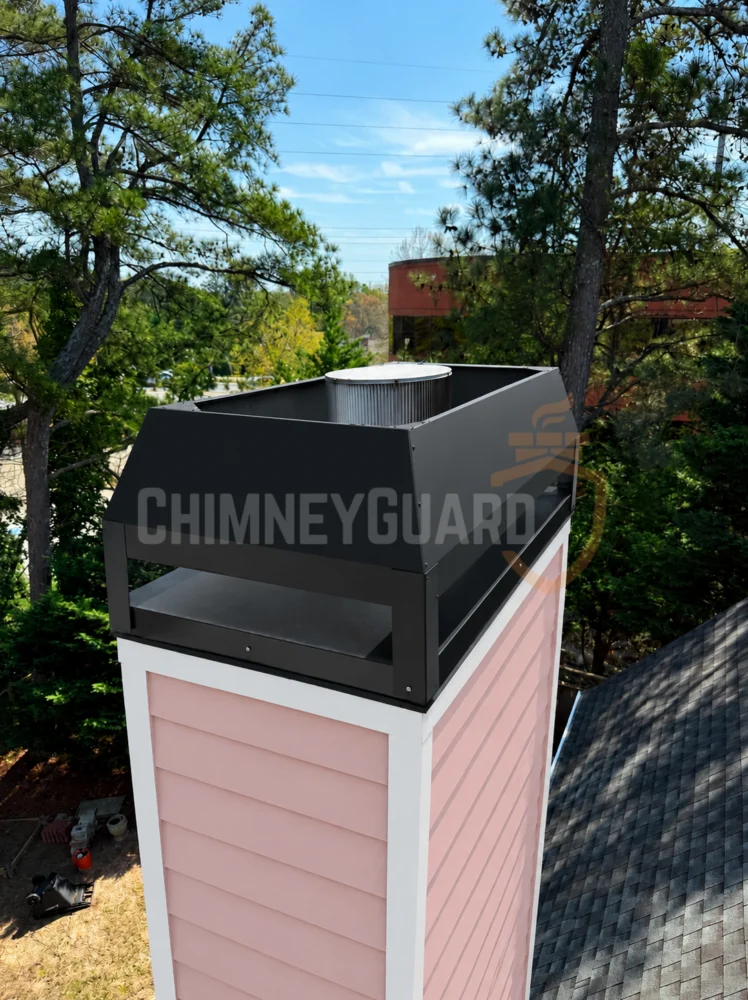
| Location | Bottom of the flue, inside the fireplace throat | Very top of the chimney stack, replacing the cap |
| Material | Heavy cast-iron or plate steel | Stainless steel or aluminum with rubber gasket seal |
| Sealing Mechanism | Metal-on-metal closure | Airtight silicone gasket seal |
| Primary Function | Controls airflow directly above the firebox | Total weather, animal, and energy-loss barrier |
| Best Used For | Direct replacement of original masonry hearth components | Eliminating severe downdrafts and saving up to $30\%$ on energy bills |
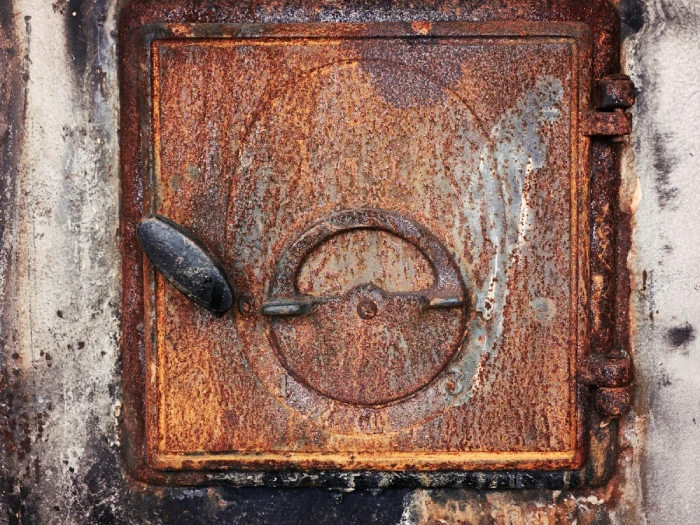
Common Signs Your Throat Damper Is Damaged or Sticking
A failing throat damper creates immediate comfort and efficiency problems in your home:
- Stuck Open or Closed: The damper handle or rotary gear refuses to budge, jamming the metal plate either completely open or shut.
- Smoke Backdrafting: Lighting a fire causes smoke to billow directly into your living room because the damper plate cannot open fully.
- Freezing Drafts in Winter: Feeling a cold draft blowing down into your fireplace hearth when no fire is lit (indicating a warped or rusted plate that no longer seals).
- Rusted or Missing Plate: Finding heavy metal rust flakes, broken hinges, or missing damper plates lying on your firebox floor.
Our Comprehensive Repair & Relining Process
Whether performing a localized repair, a full structural pour, or installing a modern stainless steel liner, we follow strict safety and engineering protocols:
- Internal Inspection: We inspect the throat frame, housing track, and mechanical linkage for thermal warping, rust binding, or structural cracks.
- De-Rusting & Mechanical Adjustment: For minor sticking, we clean heavy creosote and corrosion off the track, lubricate high-temp pivot points, and realign the operating handle.
- Plate & Frame Replacement: If the plate is cracked or warped beyond repair, we measure your throat dimensions, extract the damaged iron, and install a precision-fit replacement throat frame and plate.
- Draft Test & Calibration: We test the mechanical linkage to ensure effortless opening and closing, verifying proper clearance for smoke exhaust.