
Professional Wood Stove & Insert Installation Services
Adding a wood-burning stove or fireplace insert to your home delivers unbeatable radiant heat, slashes winter energy bills, and provides dependable off-grid warmth during power outages. However, because wood stoves generate extreme thermal output and operate under high combustion pressures, improper installation poses severe structural fire hazards and carbon monoxide risks.
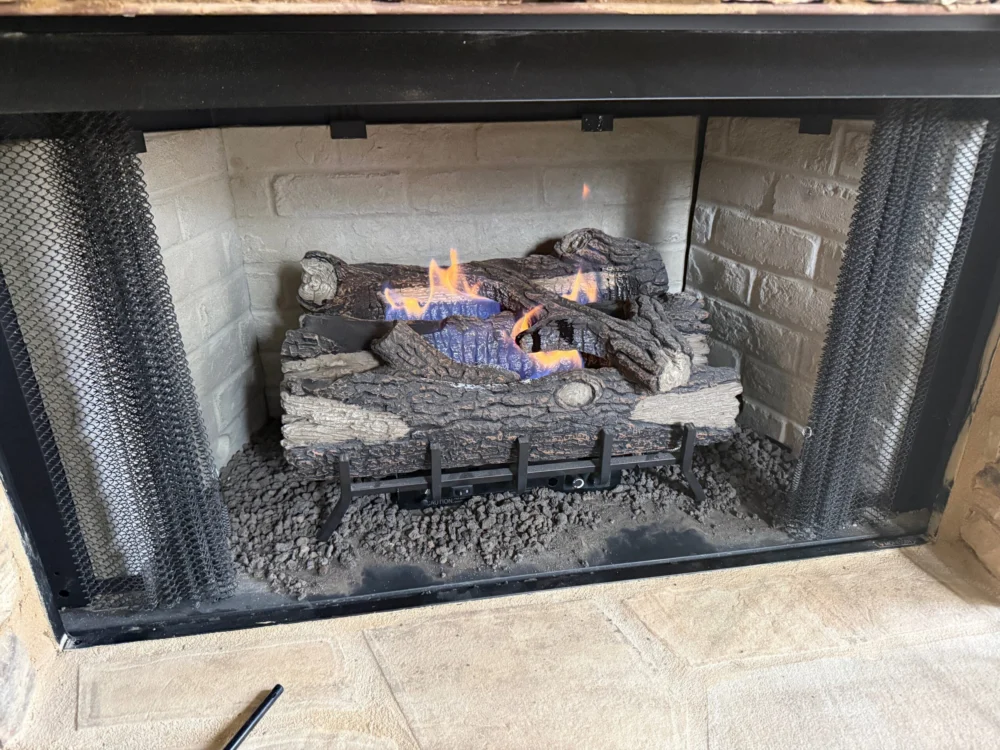
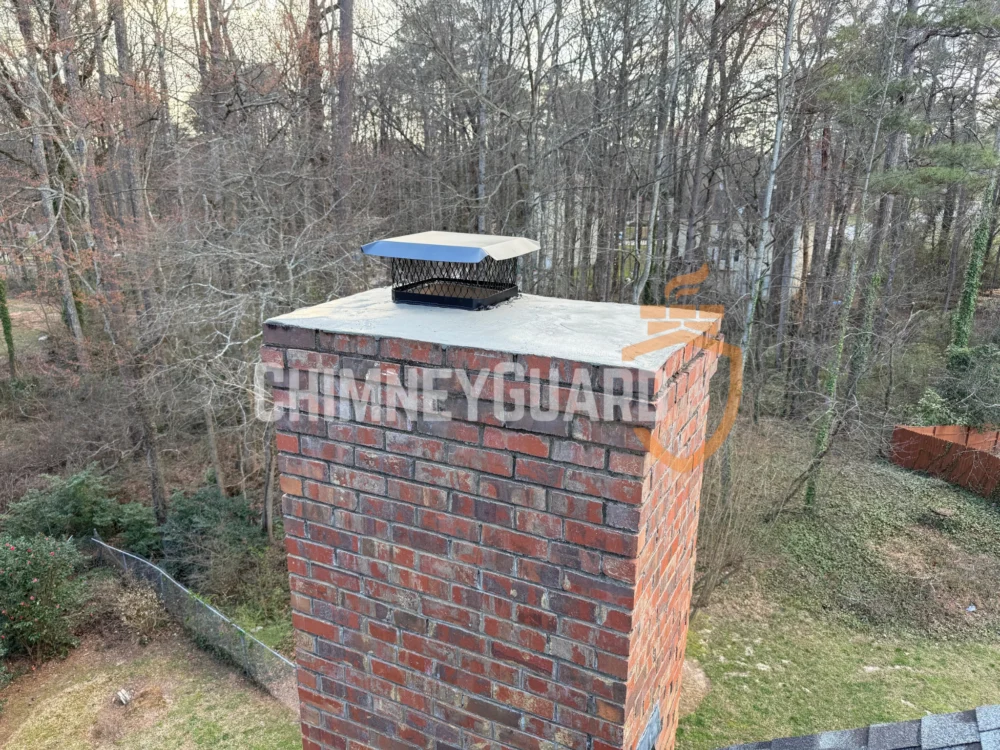
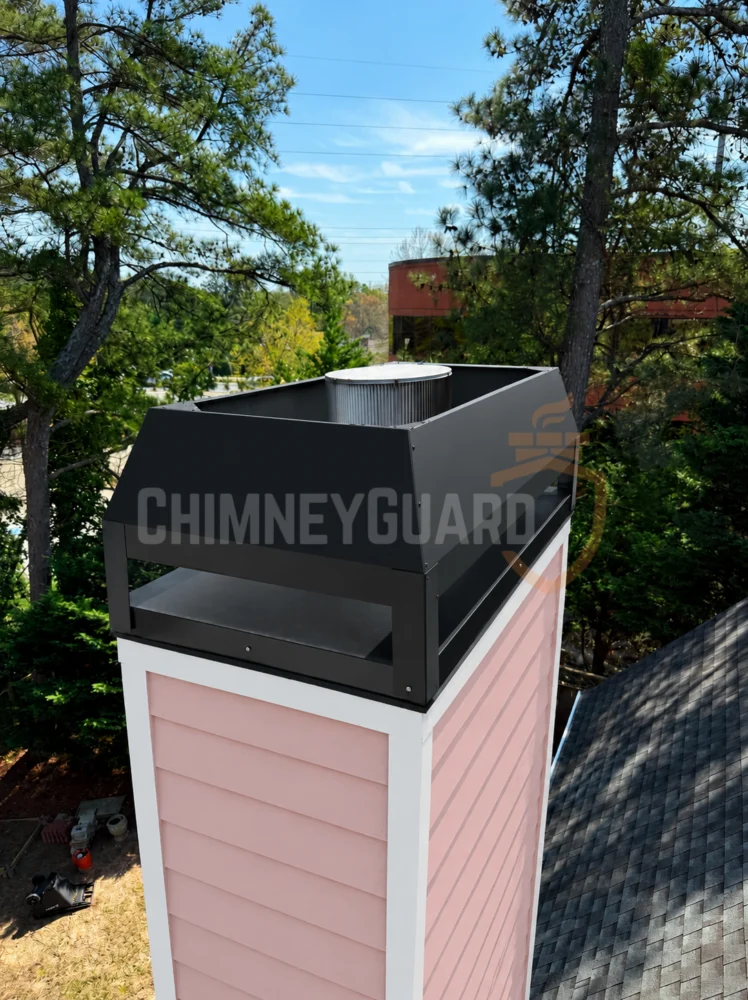
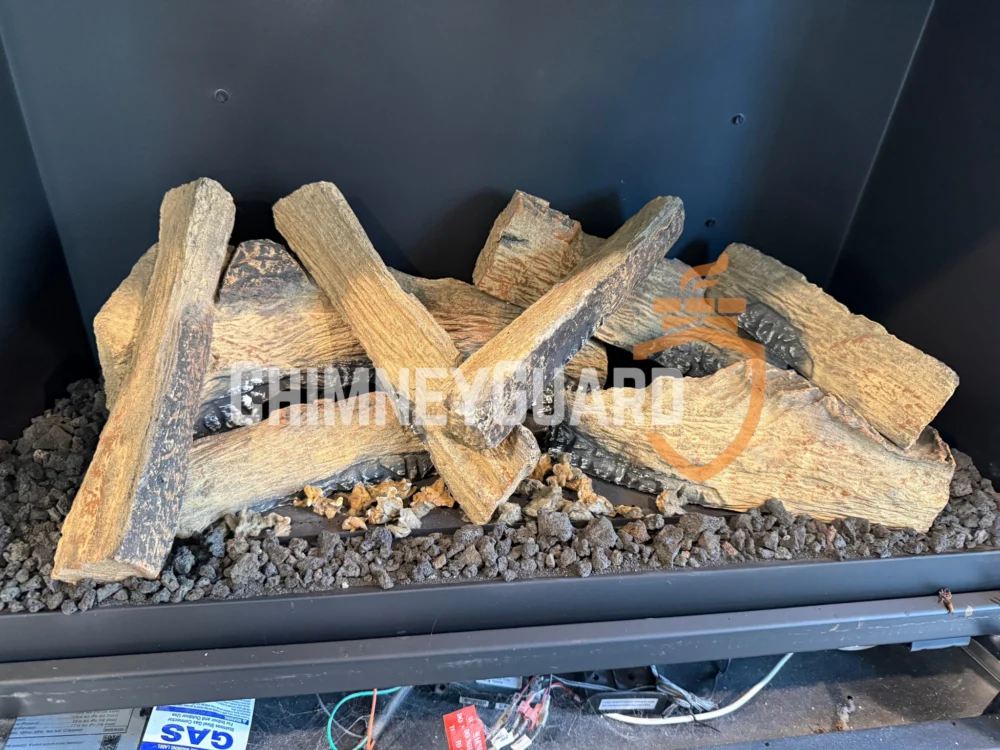
Our certified technicians engineer end-to-end wood stove and stove insert installations. From calculated hearth clearances and wall heat shields to custom insulated flue liners and factory-built chimney systems, we ensure your new heating appliance operates safely, efficiently, and in strict compliance with national fire codes (NFPA 211). Chimney rebuild services are essential for maintaining the integrity and safety of your home. Our team can assess any existing chimney structure and determine the necessary repairs or enhancements needed. Gas log installation is another service we offer to enhance your home’s heating efficiency. By switching to gas logs, homeowners can enjoy a more convenient and cleaner burning option for their fireplaces.
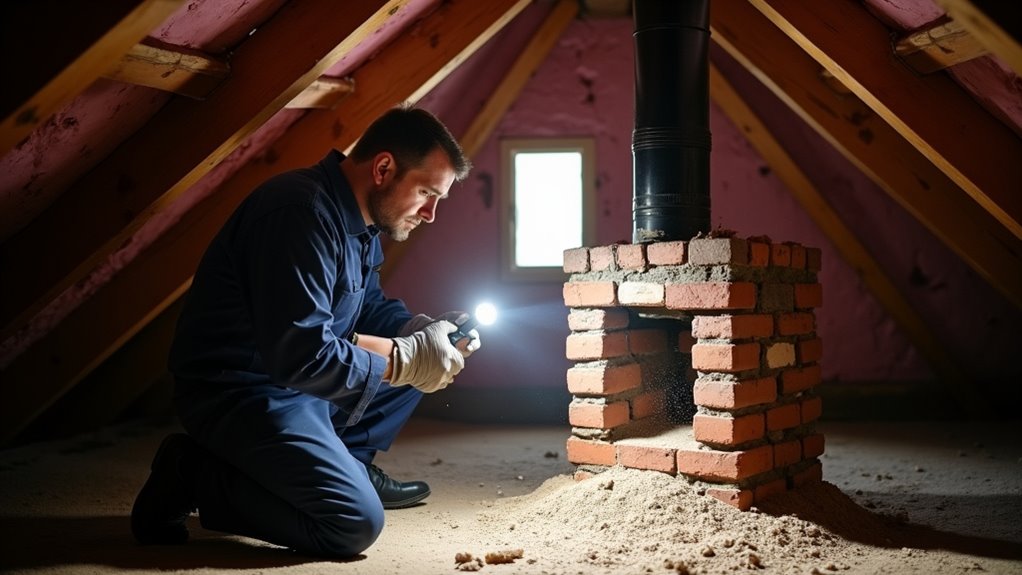
Free-Standing Wood Stove vs. Fireplace Insert
Choosing the right type of wood appliance depends on your home’s existing architecture and heating goals:
| Feature | Free-Standing Wood Stove | Wood Fireplace Insert |
| Best For | Open living areas, basements, or homes without an existing masonry fireplace. | Converting an inefficient, drafty open masonry fireplace into a high-heat system. |
| Vent Requirement | Uses a new class-A insulated metal chimney or a stovepipe connected to an existing flue. | Slides directly into the existing firebox and vents through a custom stainless steel flue liner. |
| Heat Distribution | 360° Radiant & Convective Heat: Radiates heat directly from all iron/steel surfaces into the room. | Convective Blower Heat: Uses built-in electric blowers to circulate hot air throughout the space. |
| Space Footprint | Requires a dedicated non-combustible floor hearth pad and wall clearance spacing. | Flush or near-flush fit inside your current hearth; takes up zero extra room floor space. |

Crucial Code Clearance & Safety Standards
Installing a wood stove requires strict adherence to fire safety physics. Unprotected combustible walls (drywall, wood studs) can dry out and catch fire through a process called pyrolysis if clearance rules are ignored.
- Hearth Pad Floor Protection: Stoves must sit on a continuous, non-combustible hearth extension (stone, tile, or masonry) extending at least 16, 18 inches in front of the door and 8 inches on the sides to catch stray sparks or embers.
- Wall Combustible Clearances: Unprotected stoves typically require 36 inches of clearance from drywall or wood framing. Installing NFPA-approved wall heat shields with air gaps can reduce this clearance safely to 12 inches.
- Dedicated Stainless Flue Liners: Wood stoves cannot simply vent into an oversized brick chimney. We install sized, flexible or rigid 316Ti stainless steel flue liners to maintain high flue gas velocity and prevent rapid creosote buildup.
- Fresh Air Intakes: Modern, airtight homes require an external combustion air kit routed directly into the stove to supply fresh oxygen without causing home negative pressure or backdrafting.
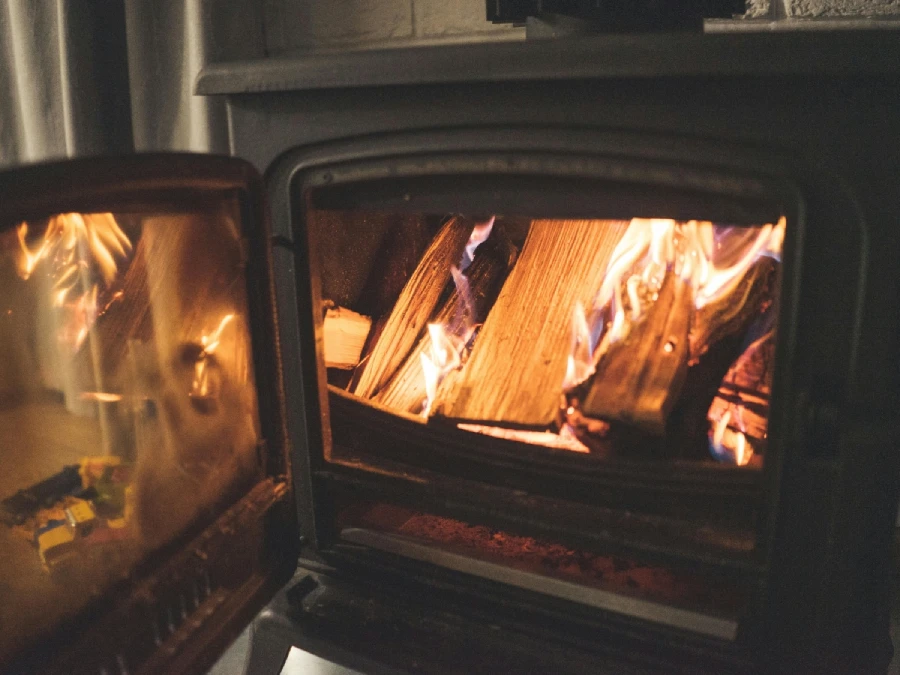
Our Step-by-Step Installation Process
Rebuilding a entire chimney requires rigorous structural engineering, site protection, and adherence to local building codes:
Home Heating & Sizing Assessment:
We calculate room cubic footage and heat-loss ratings to help you select a stove with the ideal BTU output and EPA efficiency rating.
Hearth & Clearance Construction:
We construct or verify non-combustible hearth pads and install wall heat shields to ensure code-compliant clearances.
Flue Relining / Chimney System Build:
For existing chimneys, we drop a custom-sized, insulated stainless steel liner. For homes without a chimney, we run double-wall Class-A insulated chimney pipe up through the ceiling and roof.
Appliance Placement & Connection:
We position the stove, level the legs, and connect high-temperature stovepipes using heavy-gauge black steel components.
Initial Test Burn & System Commissioning:
We perform a controlled initial fire to verify draft draw, check all pipe joints for smoke-tight seals, and walk you through air-control operation and break-in curing procedures.