Why Standard Home Inspections Aren't Enough
Buying a new home is one of the biggest financial investments you will ever make. While standard home inspectors check major systems like plumbing and electrical, they rarely have the specialized tools or training to thoroughly inspect hidden flue interiors, chimney liners, or fireplace structures.
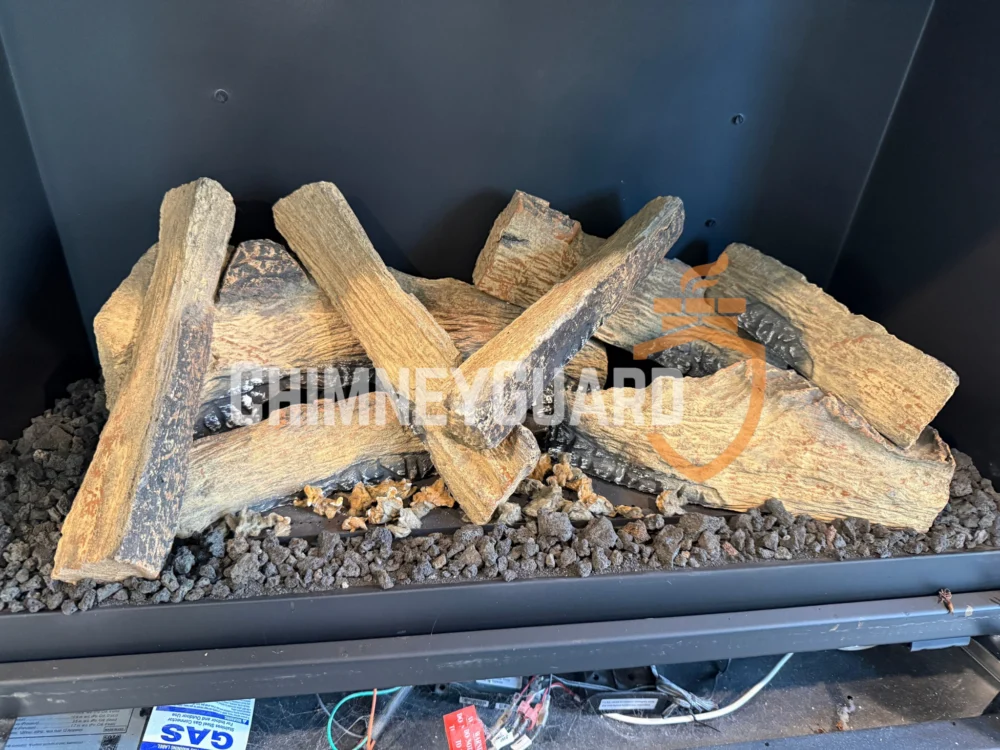
A dedicated Pre-Purchase Chimney Inspection provides home buyers and real estate professionals with an unbiased, in-depth evaluation of the chimney’s safety, structural integrity, and compliance with local building codes, preventing unexpected, multi-thousand-dollar repairs after closing. Gas fireplace safety inspections are essential for ensuring that your heating system operates safely and efficiently. Regular evaluations can help identify any potential hazards, such as gas leaks or improper ventilation.
General home inspectors conduct high-level visual checks, but they typically skip the critical internal components of a venting system.
- Hidden Flue Hazards: A chimney may look structurally sound from the outside, but the internal tile liners could be cracked, deteriorated, or missing entirely, creating a major house fire and carbon monoxide hazard.
- Specialized Video Scans: We utilize high-resolution internal video cameras (Level 2 Inspection technology) to scan the entire length of the flue, capturing hidden defects that are invisible to the naked eye.
- Accurate Cost Estimates: If deficiencies are discovered, our detailed reports provide clear repair recommendations and estimates, giving buyers powerful leverage during price negotiations or seller repair requests.
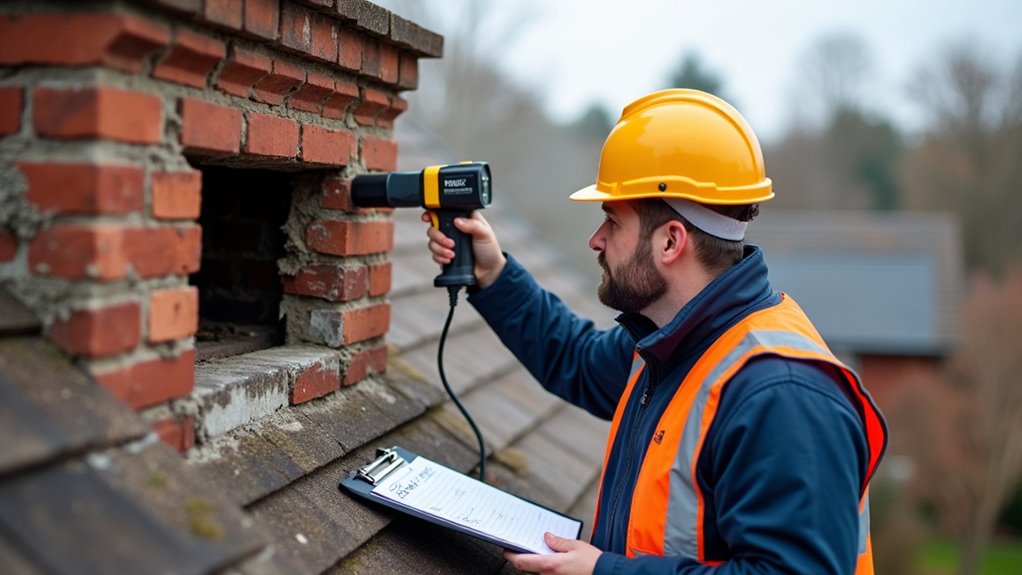
NFPA Level 2 Inspection: The Real Estate Standard
According to the National Fire Protection Association (NFPA 211), a Level 2 Chimney Inspection is mandatory whenever a property is transferred or sold.
What Our Real Estate Inspection Covers:
- Internal Flue Camera Scan: Video diagnostic sweep checking for cracked flue tiles, joint separation, creosote buildup, or collapsed liners.
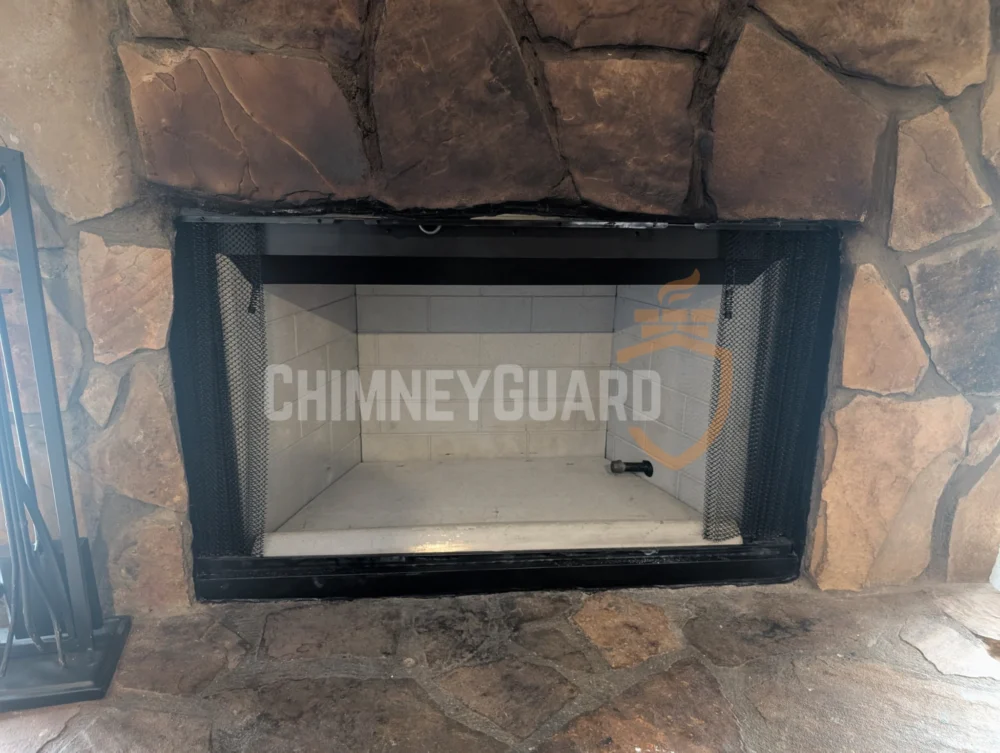
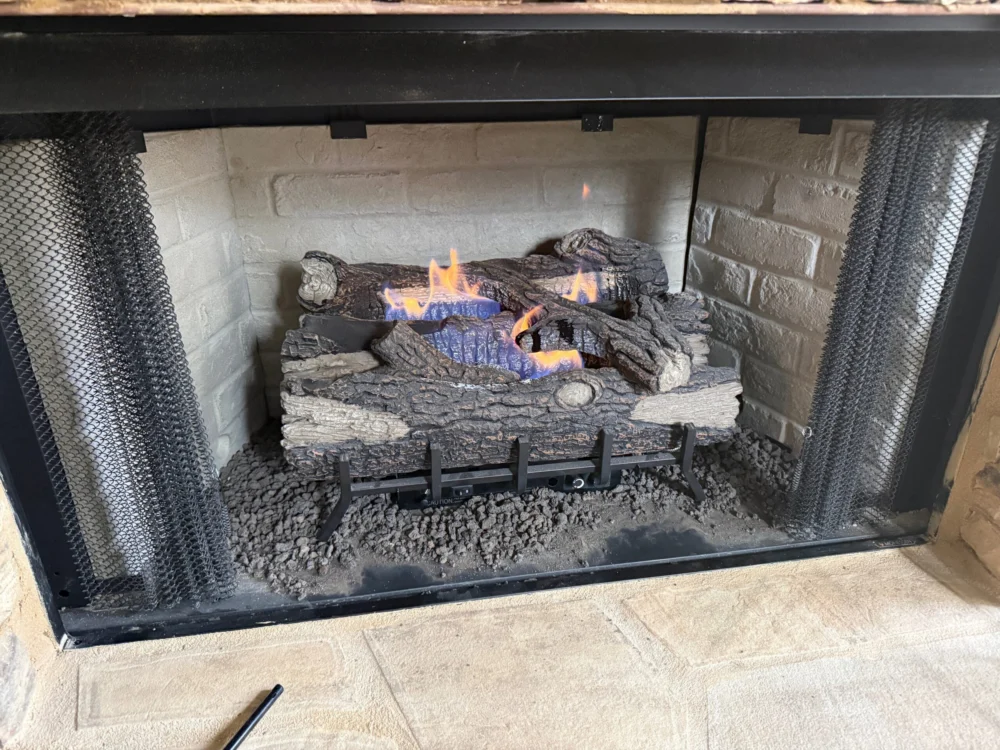
- Firebox & Damper Assessment: Checking for rusted dampers, refractory panel cracks, clearance to combustibles, and proper draft function.
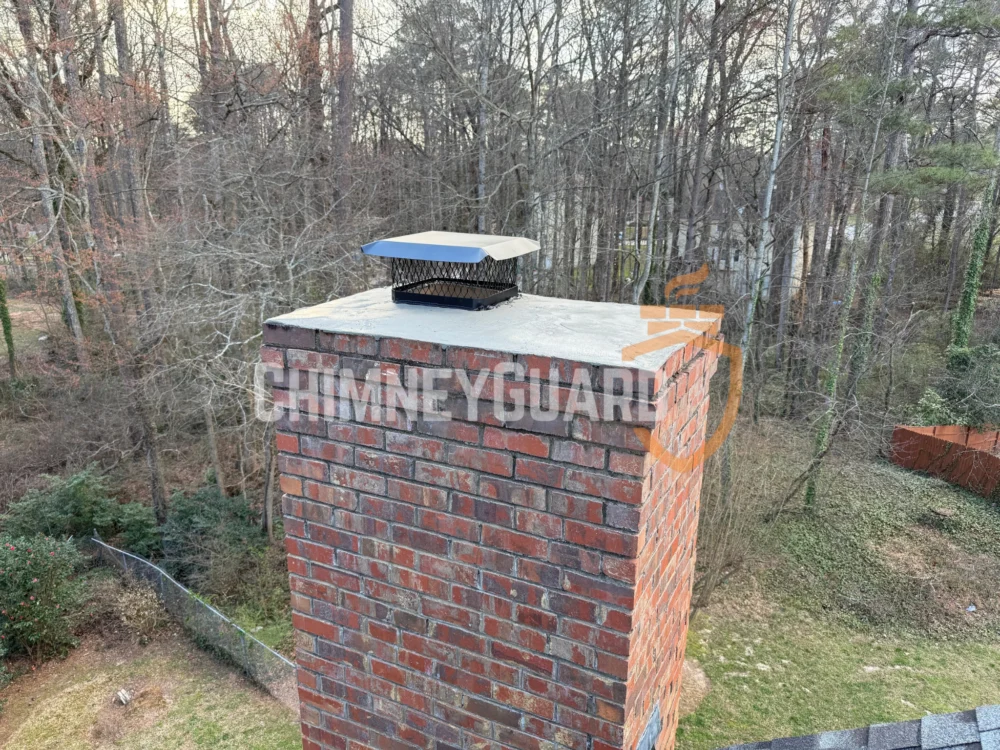
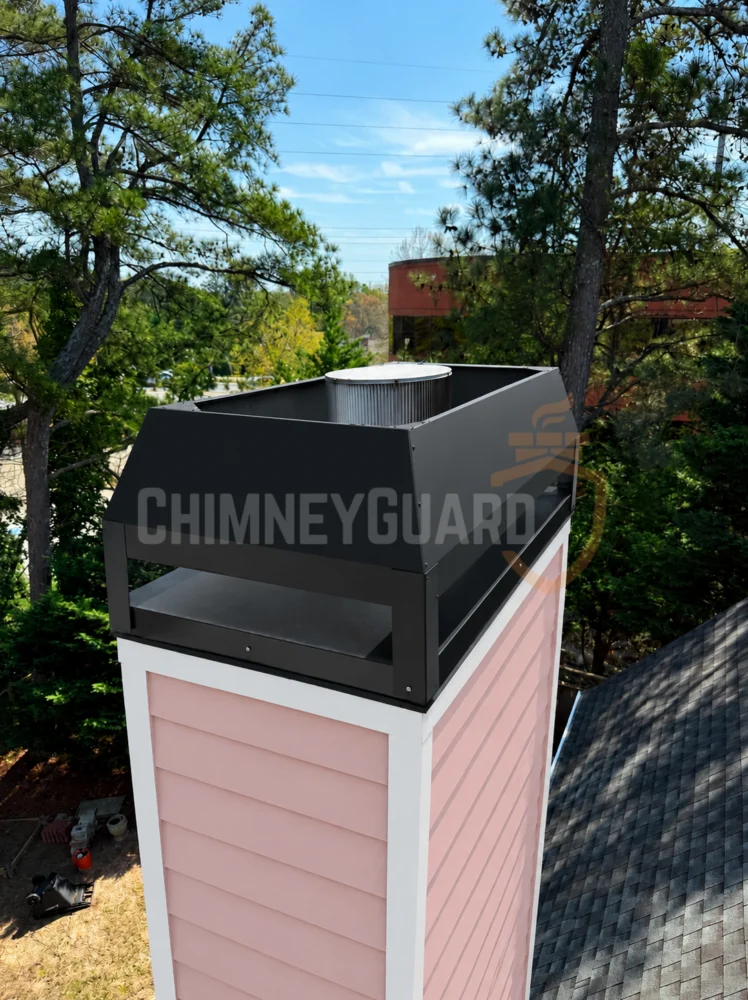
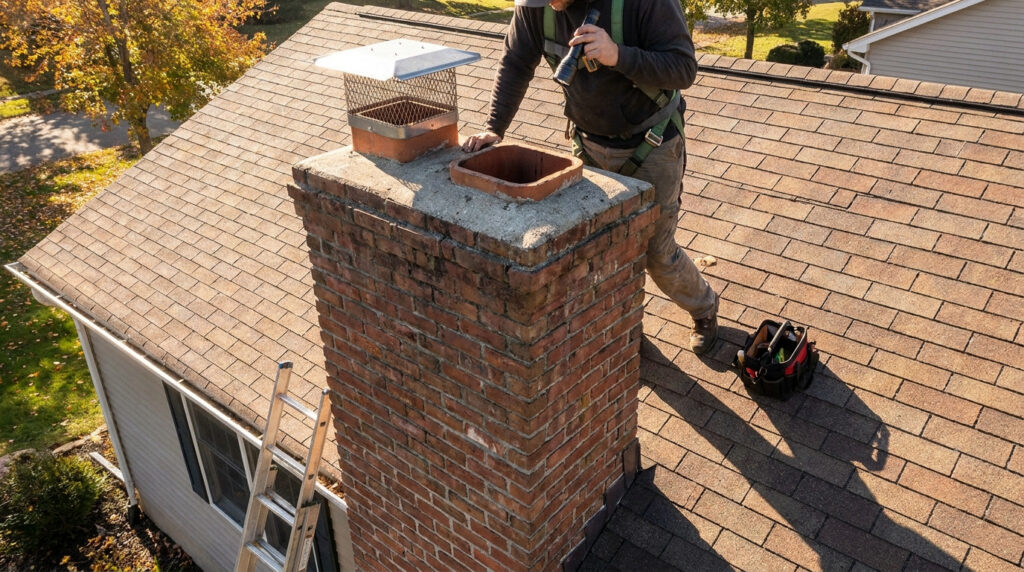
- Crown, Flashing, & Roof Line: Inspecting the external masonry, concrete crown, flashing seals, and chimney cap for leaks or structural breakdown.
- Clearance & Code Compliance: Ensuring the fireplace, hearth extension, and chimney construction meet local building codes and fire safety standards.
- Appliance Connections: Inspecting connections for gas inserts, wood stoves, furnaces, or water heaters venting through the flue.
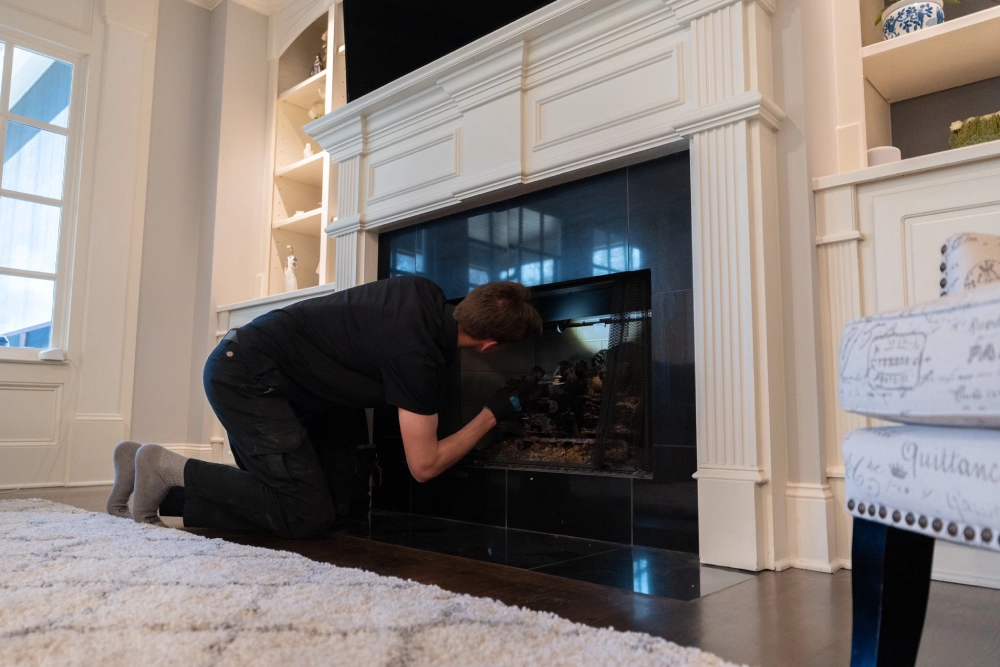
What Buyers & Sellers Get: The Inspection Report
Time is critical during real estate option periods and contingency windows. We deliver fast, easy-to-read digital reports within 24 hours of inspection completion.
01 / REPORT FEATURE
High-Res Photos & Video
Clear visual proof of internal flue tiles, roof conditions, and hidden defects.
Value for the transaction
Eliminates guesswork and provides indisputable documentation.
02 / REPORT FEATURE
Safety & Code Status
Explicit “Pass,” “Action Required,” or “Unsafe to Operate” ratings.
Value for the transaction
Gives clear guidance on immediate safety hazards versus cosmetic issues.
03 / REPORT FEATURE
Itemized Repair Estimates
Professional cost estimates for required repairs or line replacements.
Value for the transaction
Serves as official documentation for escrow negotiations, repair credits, or seller concessions.

Who Needs a Pre-Purchase Inspection?
- Home Buyers: Protect your safety and your wallet before removing inspection contingencies.
- Home Sellers: Schedule a pre-listing inspection to catch repairs early, avoid last-minute closing delays, and justify your asking price.
- Real Estate Agents: Protect your clients and ensure smooth closings with fast, reliable, and expert documentation.
Transaction Tip: Never wait until the last day of your option period to book a chimney sweep or inspection. Schedule your Level 2 inspection as early in your inspection contingency period as possible to allow adequate time for video review and repair negotiations.
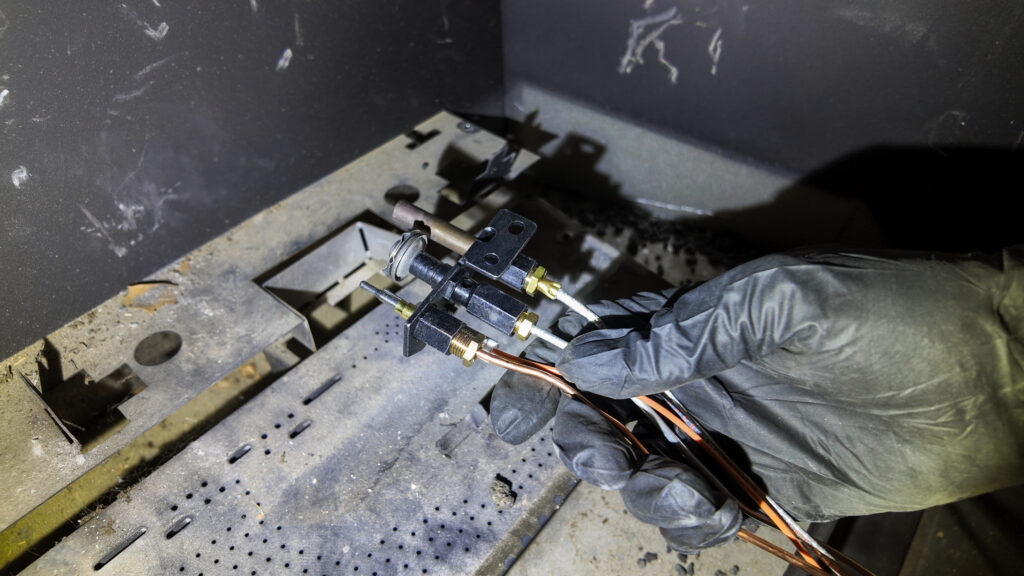
Insurance Inspections & Underwriting Requirements
In today’s real estate market, securing homeowners insurance is just as critical as getting mortgage approval. Insurance carriers have significantly tightened their underwriting standards, frequently flagging aging, uninspected, or high-risk chimneys during pre-policy risk assessments.
Whether your insurance carrier has issued a conditional binder, requested documentation following a home sale, or flagged a potential risk during a drive-by appraisal, an official Insurance Chimney Inspection satisfies underwriter requirements and protects your policy coverage. A thorough fire damage inspection is essential to identify any potential hazards that may compromise safety.
- Pre-Policy Coverage Approval: Insurance carriers routinely demand a Level 2 chimney evaluation before issuing a new policy on homes over 20, 30 years old.
- Flagged Roof / External Repairs: An insurance drone or field inspector spotted crumbling brickwork, a missing cap, or cracked flashing, leading to a conditional policy deadline.
- Property Ownership Transfers: Verification that wood-burning stoves, gas inserts, or masonry chimneys meet modern fire-safety clearances and local building codes.
- Post-Closing Verification: Ensuring any chimney repairs negotiated during the real estate transaction were properly completed by certified professionals.
-
Call Now
+1 (770) 275-2500
-
Service Area
Serving the Greater Atlanta Area, GA
-
Working Hours
-
Call Now
+1 (770) 275-2500
-
Service Area
Serving the Greater Atlanta Area, GA
-
Working Hours
-
Call Now
+1 (770) 275-2500
-
Service Area
Serving the Greater Atlanta Area, GA
-
Working Hours