Chimney Liner Repair, Replacement & Installation Services
Your chimney liner is your home’s primary defense against deadly carbon monoxide, intense thermal heat transfer, and dangerous structural fires. Acting as a protective barrier inside your chimney stack, a sound, intact flue liner directs 100% of toxic combustion gases safely out of your home.
Whether your existing liner is cracked, improperly sized for a new heating appliance, or decaying due to age, our certified chimney technicians provide complete flue liner repairs, high-performance stainless steel relining, cast-in-place installations, and total liner replacements. Our expert chimney repair services ensure that your chimney operates efficiently and safely. We use the latest technologies and techniques to guarantee long-lasting results. We also offer affordable gas fireplace service options to enhance your home’s heating efficiency. Flashing repair is essential to prevent water leaks and damage to your chimney structure.
Why Your Flue Liner Is Essential for Home Safety
Building codes and national safety standards (NFPA 211) mandate functional chimney liners for all masonry systems. A compromised or missing liner creates severe home hazards:
- Thermal Heat Protection: Without a solid liner, extreme heat 1,000F to 2,000F transfers directly through brick and mortar joints, setting nearby wooden wall framing and attic studs on fire.
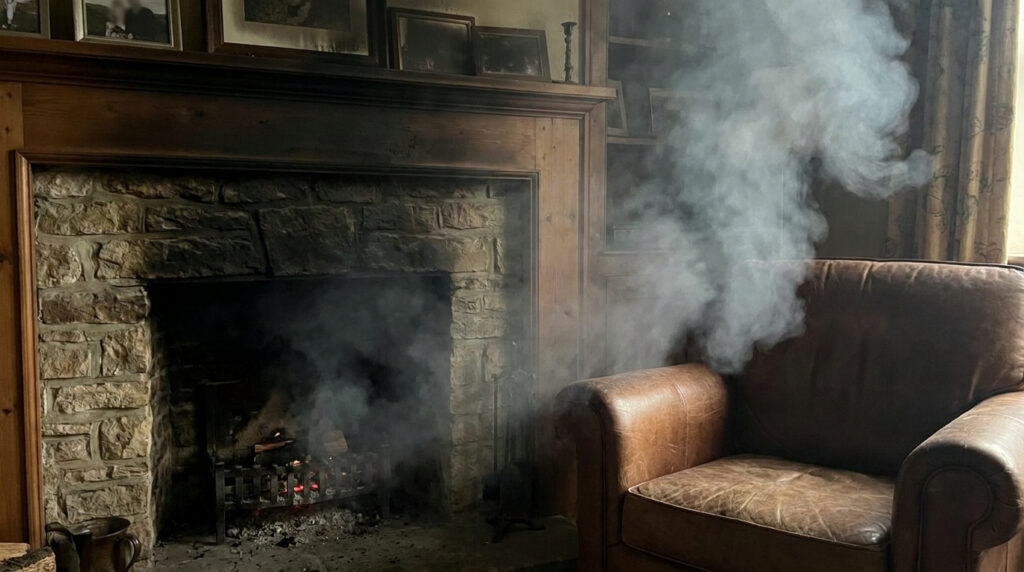
- Toxic Gas Containment: Cracks or missing tiles allow odorless, invisible carbon monoxide (CO) gas to leak through porous brickwork and into your bedrooms and living spaces.
- Masonry Preservation: Acidic combustion byproducts and moisture eat away at structural mortar joints. A sealed liner prevents internal corrosion and catastrophic stack collapse.
- Draft Efficiency: An intact, smooth liner sized precisely to your fireplace, wood stove, or gas furnace creates optimal draft, eliminating smoke backdrafts and maximizing fuel efficiency.
Types of Liners We Repair, Replace, and Install
Depending on your heating appliance, budget, and chimney architecture, we offer three main liner solutions:
| Liner Type | Common Usage | Longevity & Features | Best For |
| Stainless Steel Liners | Wood, gas, pellet stoves, fireplace inserts, and oil furnaces | Lifetime Warranty. Flexible or rigid UL 1777-listed 316Ti/304 alloy steel. Extremely durable and impervious to corrosion. | Replacing damaged clay tiles or relining for new appliance installs. |
| Clay Flue Tiles | Traditional open masonry fireplaces built during original home construction | Standard durability. Vulnerable to thermal shock cracking, spalling, and mortar joint breakdown over time. | Partial tile repair or traditional section replacements. |
| Cast-In-Place Liners | Historic, aging, or structurally weakened masonry chimneys | Permanent cementitious pour. Insulates, seals cracks, and restores structural integrity to old brickwork. | Restoring unlined historic chimneys or severely deteriorated stacks. |
Signs Your Chimney Liner Needs Repair or Replacement
Because flue liners are hidden inside your chimney walls, internal damage is often invisible without a specialized video camera sweep. Watch out for these critical warning signs:
- Flue Tile Pieces in the Firebox: Finding cracked, reddish terracotta tile chips or sandy mortar piles sitting on your firebox floor (a sign of spalling or shattering tiles).
- Condensation & Water Stains: Damp patches or peeling paint on walls adjacent to the chimney stack, indicating acidic moisture leaking through liner gaps.
- Upgrading Heating Equipment: Installing a new gas insert, wood-burning stove, or high-efficiency furnace requires a correctly sized liner install to prevent condensation and draft failure.
- Post-Chimney Fire Damage: Thermal shock from a chimney fire shatters clay tiles, requiring immediate relining before the fireplace can be safely reignited.
- Unlined Chimney System: Older homes built before the 1940s often lack an internal liner altogether, creating an immediate fire and code violation.
Our Comprehensive Repair & Relining Process
Whether performing a localized repair, a full structural pour, or installing a modern stainless steel liner, we follow strict safety and engineering protocols:
Step 1: High-Definition Video Inspection
We run a 360-degree rotating camera down the entire length of the flue to map out cracks, missing joints, or offset tile sections.
Step 2: Flue Prep & Tile Removal
For stainless steel replacements, we remove damaged clay tile obstructions or smooth out internal jagged edges using specialized rotary tools.
Step 3: Precision Liner Installation & Insulation
We pull a custom-sized, heavy-duty stainless steel liner down the flue run. To ensure thermal safety and efficiency, we insulate the steel liner with high-density ceramic wool blankets or poured thermocrete insulation.
Step 4: Top Cap & Appliance Connection
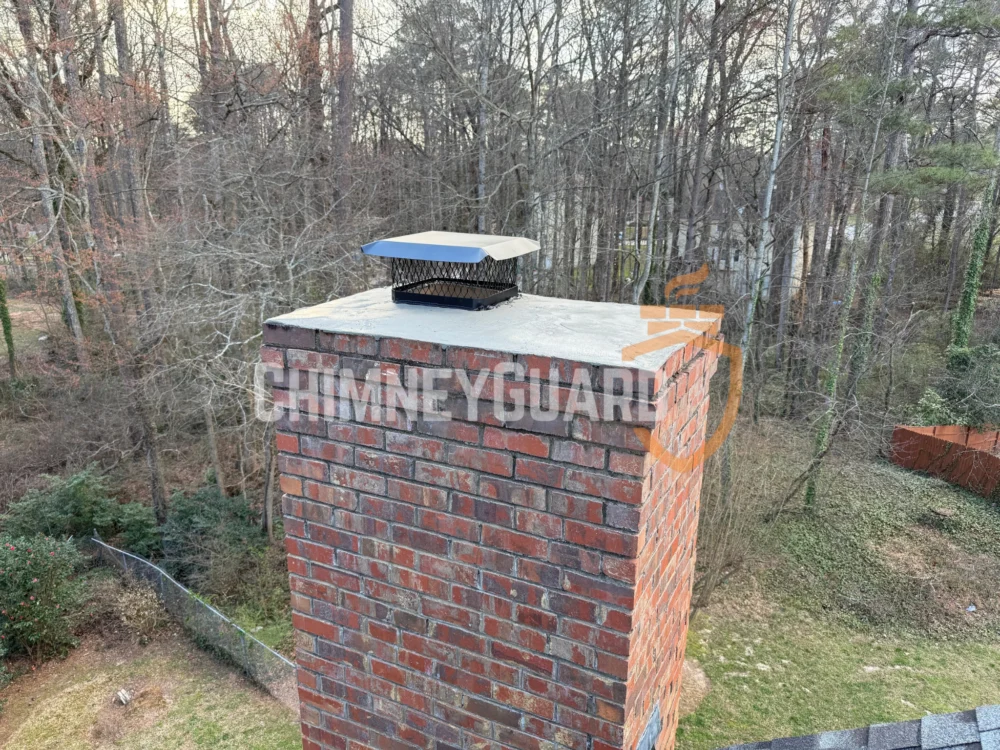
We securely tie the new liner into the appliance, seal the top with an airtight stainless steel top plate and storm collar, and install a screened chimney cap.