


You need a chimney cricket on a metal roof when your chimney measures more than 30 inches wide, perpendicular to the slope. That width triggers the code requirement, regardless of roof material. Wide masonry chimneys and framed chases usually qualify, while narrow round flues don’t, flashing and a storm collar handle those. A cricket diverts runoff around the chimney, preventing debris and moisture buildup. Below, you’ll find the sizing, slope details, and integration specifics that matter.
Key Takeaways
- A chimney cricket is required on a metal roof when the chimney exceeds 30 inches wide, measured perpendicular to the slope.
- Wide masonry chimneys and framed chases typically trigger the requirement, while narrow round flues usually do not.
- Chimneys crossing the ridge generally don’t need a cricket because there is no uphill side to divert water.
- A cricket diverts runoff around both sides, preventing debris buildup, moisture damming, and leaks behind the chimney.
- Seek professional evaluation if the chimney exceeds 30 inches or you notice standing water, staining, debris, or damaged flashing.
Do you need a chimney cricket on a metal roof
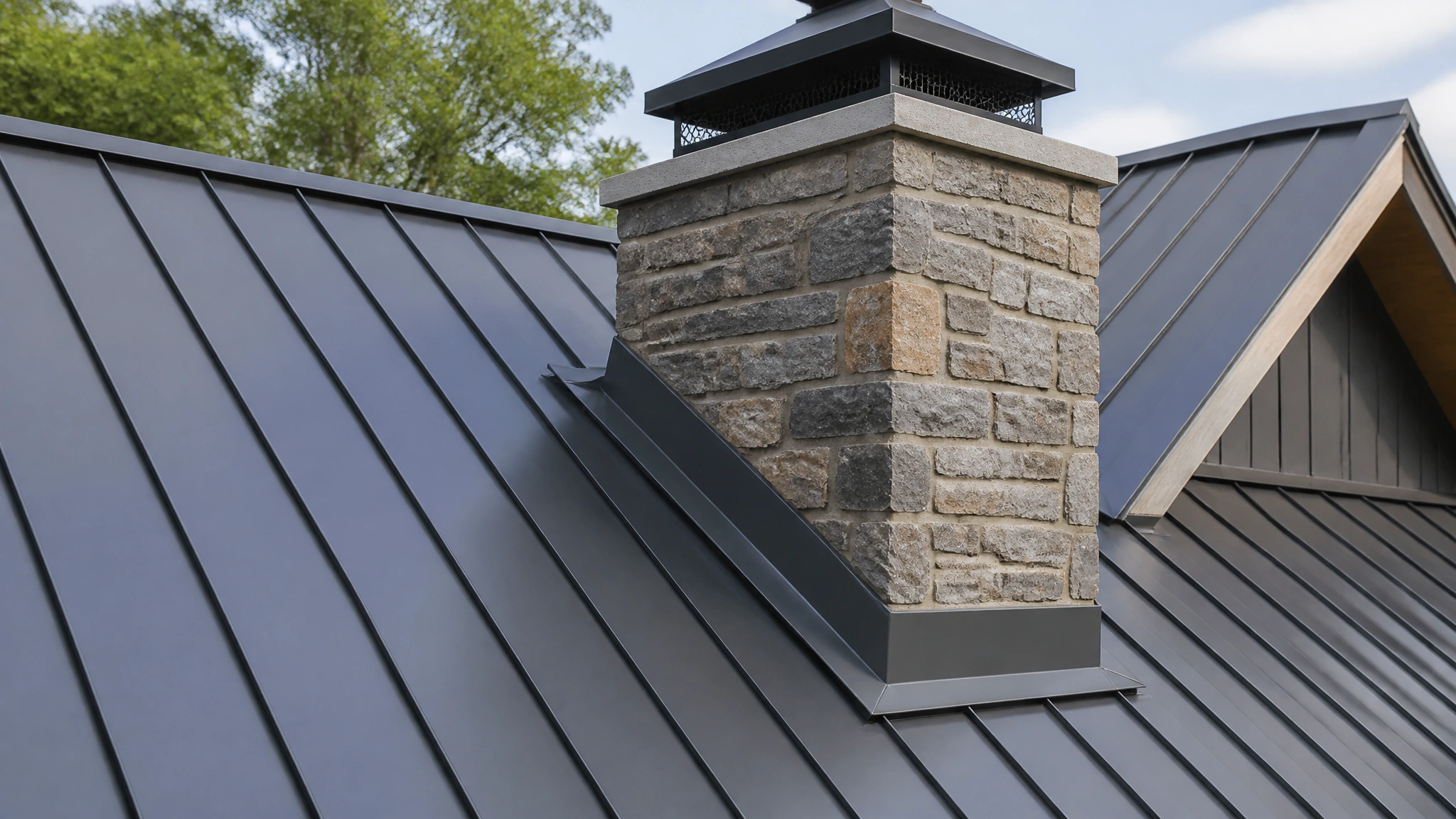
Yes, on a metal roof you need a chimney cricket whenever the chimney measures more than 30 inches wide, measured perpendicular to the slope. That 30-inch threshold drives the chimney cricket requirements, not the roof material. Metal doesn’t exempt you. The code still calls for a chimney cricket or chimney saddle when the chimney interrupts the uphill water path. When weighing a metal roof vs shingles chimney, each material has distinct advantages, but understanding their impact on chimney installation is key. Proper planning ensures the chimney is designed to manage water flow, whatever roofing type you choose.
Wide masonry chimneys and framed chases trigger the requirement most often. Narrow round flues usually don’t. You protect those with flashing and a storm collar instead. If the chimney crosses the ridge, there’s no uphill side to divert, so a cricket generally isn’t needed.
For any wide chimney below the ridge, assume you’ll need one, then confirm against local code and manufacturer instructions.
What is a chimney cricket and what does it do
A chimney cricket is a peaked diversion structure you build on the uphill side of a chimney to split runoff and route it around both sides. It works like a small ridge, shaping water flow so debris and moisture don’t collect behind the chimney where leaks typically start. On a metal roof, where water sheds fast, a chimney cricket metal roof detail becomes critical for controlling concentrated runoff at the intersection.
On a metal roof, a chimney cricket splits runoff and routes it around both sides, stopping leaks before they start.
A properly built metal roof chimney cricket does three things:
- Splits water flow to both sides, preventing damming behind wide chimneys
- Reduces debris buildup that traps moisture against flashing and sheathing
- Improves drainage, extending the life of underlayment and counterflashing
You pair the roof cricket chimney with correct flashing for reliable protection.
Which chimney widths are most likely to need a cricket
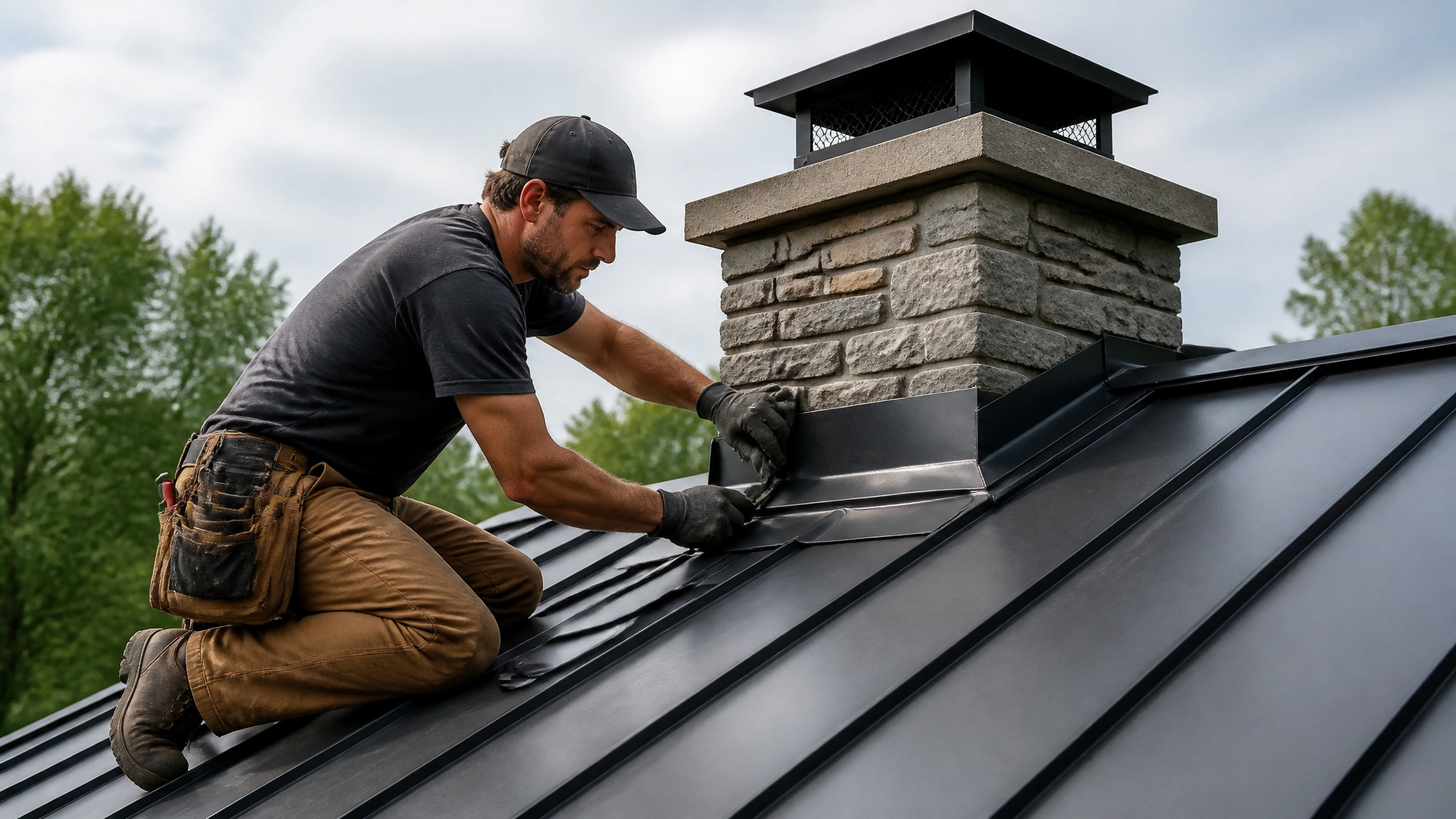
Chimneys wider than 30 inches are most likely to need a cricket. The code sets a clear line at 30 inches. When your chimney measures more than 30 inches wide, measured perpendicular to the slope, you need a cricket or saddle on the upslope side. That threshold applies regardless of roof material, so metal doesn’t exempt you. Proper installation tips for metal roofing stress adequate support structures, especially with larger chimneys. Ensure your cricket is properly sized to manage water runoff, and follow manufacturer guidelines for a long-lasting, weather-resistant installation.
Rectangular masonry chimneys and wide framed chases are the most common triggers, since they interrupt the water path and create a damming effect behind them. Narrow round metal flues usually don’t need a cricket; you protect those with flashing and a storm collar instead.
One exception matters: a chimney crossing the ridge has no uphill side to divert, so it generally doesn’t require a cricket. Otherwise, if you’re above 30 inches, plan on one.
How do roof slope and water flow affect cricket design
Roof slope and water flow affect cricket design by setting its height and shaping how runoff splits around the chimney. The steeper your pitch, the taller the cricket you’ll need. Cricket height scales with chimney width as a fraction tied to your roof’s slope, so you’ll size it against both variables before fabrication.
| Roof Slope | Cricket Height (fraction of chimney width) | Notes |
|---|---|---|
| 3:12 | 1/8 | Low pitch, shorter cricket |
| 6:12 | 1/4 | Moderate diversion |
| 9:12 | 3/8 | Taller peak needed |
| 12:12 | 1/2 | Steepest, tallest cricket |
Keep the cricket slope equal to or greater than your roof slope, and never drop below 1/4 inch per foot for drainage. On metal roofs, runoff moves fast, so your cricket’s peaked surface must split flow cleanly around the chimney.
How is a cricket integrated with metal roof panels
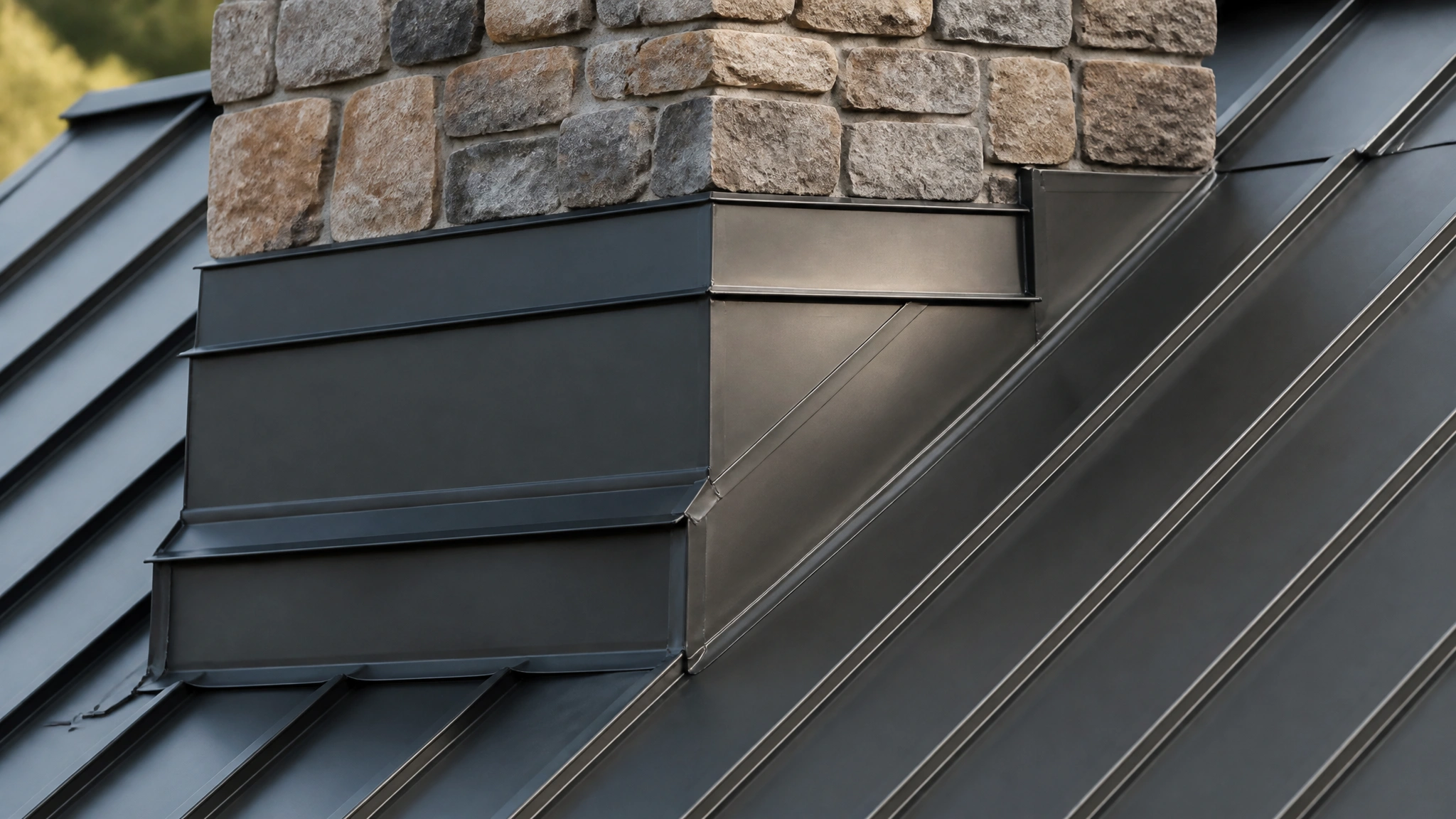
A cricket integrates with metal roof panels through sheet metal that matches or is compatible with your roof covering. You’ll fabricate the cricket surface, then flash and counterflash the cricket-to-chimney intersection like any other roof-chimney detail. The upslope panels terminate at the cricket, where diverted runoff splits to both sides and continues down the field.
- Use sheet metal or your roof’s covering material for the cricket surface, keeping metals compatible to prevent galvanic corrosion.
- Tie panel terminations into the cricket with counterflashing and step flashing so water sheds over, not behind, the seams.
- Maintain cricket slope at or above roof slope to keep fast-moving runoff moving around the chimney.
Detail it right, and leaks won’t start here.
What problems can develop when water collects behind a chimney
Water pooling behind a chimney attacks the very components that keep your roof dry. Without a cricket to split the flow, a wide chimney creates a damming effect that traps water and debris on the upslope side. That standing moisture works its way into the flashing, breaks down the underlayment, and eventually reaches the sheathing. On a metal roof, fast runoff concentrates at the intersection, so any weakness in the flashing gets tested constantly. Over time, you’ll see corrosion at seams, deteriorated counterflashing, and rot in the decking behind the chimney, exactly where leaks typically start. Debris buildup makes it worse, holding water longer and accelerating damage. Good drainage at this junction protects the flashing, sheathing, and underlayment from long-term deterioration.
When should a chimney cricket be evaluated by a professional
A chimney cricket should be evaluated by a professional whenever your chimney measures wider than 30 inches perpendicular to the slope, since that’s the code threshold triggering a cricket or saddle. Water damage behind a chimney can hide until it’s expensive, so you’re better off calling a professional before problems start. A qualified installer will confirm chimney width, verify roof pitch, and check the upslope drainage path before recommending cricket geometry and flashing details. A chimney inspection before roof replacement is crucial to ensure your new roof performs without hidden issues. Identifying problems early saves on costly repairs, and hiring a skilled professional provides peace of mind while protecting your home from water damage.
Bring in a professional when you notice any of these conditions:
- A masonry chimney or wide framed chase exceeding 30 inches on the ridge side
- Standing water, staining, or debris accumulation behind the chimney
- Missing, damaged, or improperly detailed counterflashing and step flashing
Early assessment protects your sheathing, underlayment, and flashing investment.
Find Out if Your Chimney Needs More Than Flashing
If water keeps collecting behind a wide chimney, replacing sealant or patching the flashing may not solve the drainage problem. Chimney Guard USA provides chimney cricket and saddle installation along with flashing repair for homeowners throughout the Greater Atlanta area. If you have a metal roof, a missing cricket, or signs of water getting in around the chimney, call (877) 804-8273 to have the roof-to-chimney area inspected and determine what needs to be corrected.
Frequently Asked Questions
How Much Does It Cost to Install a Chimney Cricket?
Your cricket cost depends on chimney width, roof pitch, and flashing complexity, so pricing varies. Wider chimneys need taller crickets and more sheet metal, which drives labor up. You’ll also pay for proper counterflashing, step flashing, and compatible roofing material to meet code. Steeper pitches complicate the geometry and access, adding time. Get a detailed quote that accounts for your chimney’s dimensions and upslope drainage before you commit to any installation.
Can I Add a Cricket to an Existing Chimney?
Yes, you can retrofit a cricket onto an existing chimney. You’ll frame the peaked diversion structure on the chimney’s upslope side, then cover it with sheet metal or material matching your roof. Don’t skip the flashing, you’ll need to integrate counterflashing and step flashing at the cricket-chimney intersection to prevent leaks. If your chimney’s wider than 30 inches, code likely requires it, so add one to protect your sheathing and underlayment.
What Materials Are Best for Building a Chimney Cricket?
You’ll want sheet metal or the same material as your roof covering, those are your code-approved options. For a metal roof, matching metal panels or compatible flashing metal keeps everything corrosion-compatible and watertight. Detail the cricket-to-chimney intersection with proper counterflashing and step flashing, just like any roof-chimney junction. Don’t mix incompatible metals, since galvanic corrosion’ll shorten your system’s life. Pair your cricket with correctly integrated flashing, or you’ll still risk leaks.
Does a Chimney Cricket Affect My Home Insurance or Inspection?
Yes, it can. During an inspection, you’ll often get flagged if your chimney’s wider than 30 inches and lacks a required cricket, since that’s a code violation. Inspectors check for proper flashing and counterflashing too. If a missing or poorly detailed cricket leads to water damage, your insurer might deny a leak-related claim. You’re better off installing a properly flashed cricket upfront to protect both your coverage and your home.
How Long Does a Properly Installed Chimney Cricket Last?
A properly installed chimney cricket typically lasts as long as your roof covering, often 20 to 50 years on metal. Its lifespan depends on flashing quality, not just the cricket itself. If you’ve got correctly detailed counterflashing, step flashing, and compatible materials, you’ll get decades of protection. Keep debris cleared and inspect the flashing periodically. When water diverts cleanly around your chimney, you’ll minimize deterioration of flashing, sheathing, and underlayment over time.