You don’t need to add a separate liner to every fireplace, but every fireplace you use needs a sound, properly sized flue lining. Many masonry chimneys already have ASTM C 315 clay tile. Factory-built units rely on the chimney components their listing specifies. Model codes require a liner in every masonry chimney, so you must reline an unlined flue before use. You’ll see which setups require one and when to schedule a Level 2 inspection.
Key Takeaways
- Every fireplace needs a sound, properly sized flue lining, though not every fireplace requires a separate liner added after construction.
- Model codes require a liner in every masonry chimney, using clay tile, listed metal systems, or cast-in-place materials suited to the appliance.
- Factory-built fireplaces use the chimney components specified by their listing, so follow the label and installation instructions.
- A liner contains heat and corrosive flue gases, protecting masonry and nearby building materials from fire and deterioration.
- Schedule a Level 2 inspection when adding an insert, changing fuel or appliance, or after storm or chimney fire damage.
Is a chimney liner necessary for every fireplace
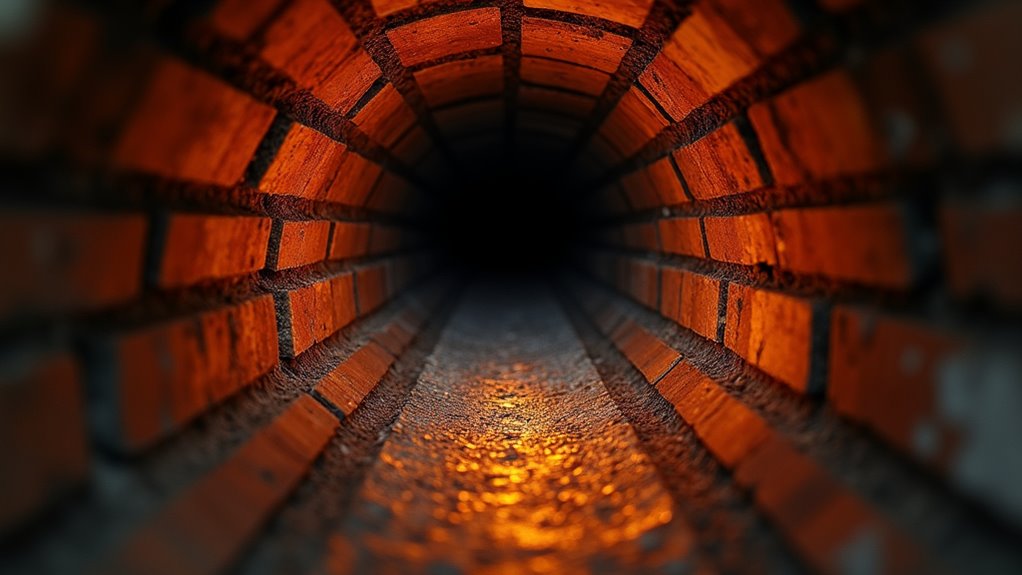
No, not every fireplace needs a separate liner added after construction, although every fireplace needs a sound, properly sized flue lining. Many masonry fireplaces already have clay tile lining meeting ASTM C 315, and factory-built fireplaces use chimney components specified by their listing. To find out whether you need a chimney liner, start with your chimney’s construction, condition, appliance, fuel, and local code. You’ll need relining if your existing lining is cracked, deteriorated, or missing, or if you’re installing an insert or changing fuel or appliance type. Never use an unlined chimney without a qualified inspection. Model codes require masonry chimney linings suited to the connected appliance. Request a Level 2 inspection when use changes, because prior use doesn’t prove compliance.
Which setups legally require a liner
Model codes legally require a liner in every masonry chimney, using material suited to the connected appliance, so any masonry fireplace you operate needs a code-recognized lining: clay tile meeting ASTM C 315, a listed metal system complying with UL 1777, or a cast-in-place liner. Factory-built units follow their listing and manufacturer instructions instead. Local adoption and amendments vary, so you’ll confirm your jurisdiction’s code.
| Setup | Liner Requirement |
|---|---|
| Masonry fireplace | Code-compliant lining for connected appliance |
| Fireplace insert | Dedicated, properly sized liner if listing requires |
| Unlined existing chimney | Lining before use |
| Changed appliance or fuel | Compatible relining after Level 2 inspection |
| Factory-built system | Manufacturer-specified components only |
Remember the chimney liner purpose: containing heat and gases while separating exhaust from surrounding masonry and nearby building materials.
How does a liner protect your home from fire
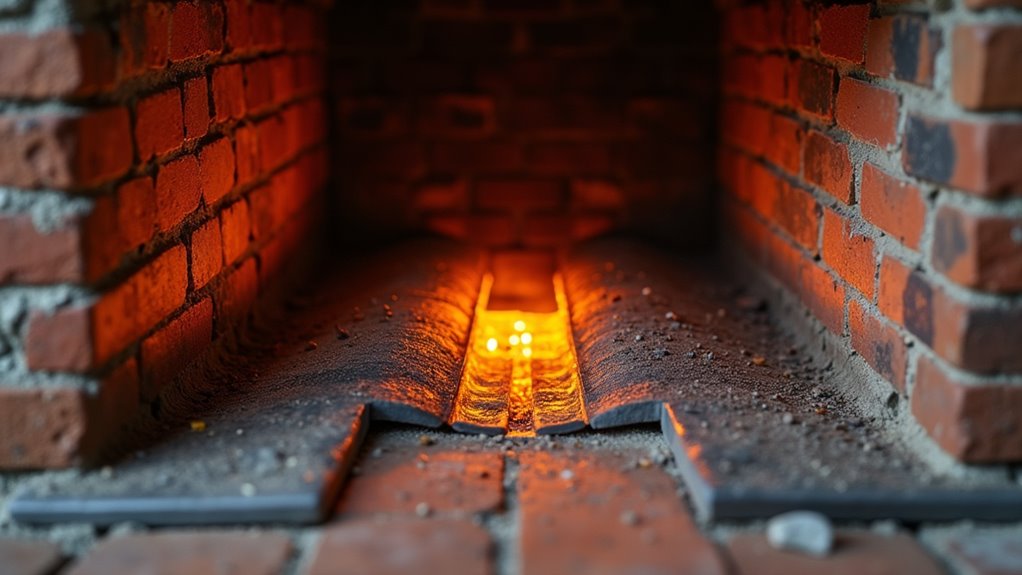
A liner protects your home from fire by giving combustion gases a defined, sealed passage from the firebox to the outdoors. It contains heat and flue gases within the chimney structure and separates exhaust from surrounding masonry and nearby building materials.
That protection depends on three factors. Your liner must be compatible with the connected appliance, its fuel, and its operating conditions. It must be correctly sized, because a mismatched flue may not meet the appliance’s venting requirements. If it serves a solid-fuel appliance, CSIA guidance says it needs insulation.
Damage undermines all of this. A cracked, gapped, or deteriorated liner can’t provide a sound venting path. Have a qualified chimney professional inspect yours and document any cracks or gaps before you use the fireplace again.
How does a liner shield masonry from acids and heat
A chimney liner shields masonry from acids and heat by acting as a barrier between hot, corrosive flue gases and the surrounding brick and mortar. It gives combustion gases a defined passage to the outdoors, keeping heat and exhaust contained instead of letting them contact brick and mortar directly. That separation only works when the liner is sound, so your inspector should document any cracks or gaps that expose masonry. Material choice matters too. Clay tile meeting ASTM C 315, UL 1777 listed metal systems, and cast-in-place liners are code-recognized options, but yours must suit the connected appliance, its fuel, its operating conditions, and local code. If you switch appliances or fuels, promptly request a Level 2 inspection to confirm the liner still provides compatible, correctly sized, effective protection.
When can an older chimney run without one
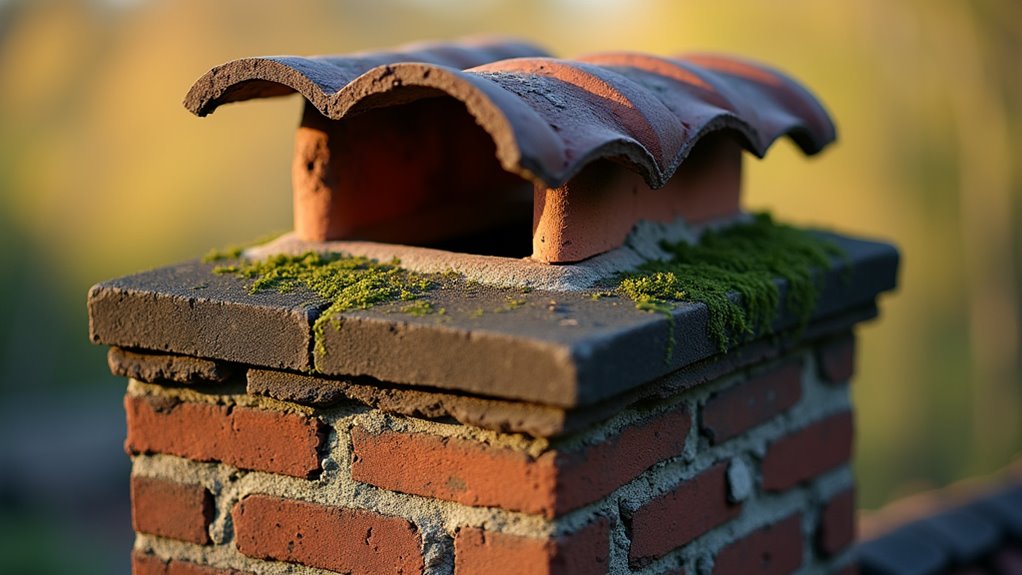
An older chimney can safely run without a new liner only if it already has a sound, code-compliant flue lining. Model codes generally require masonry chimneys to be lined with material suitable for the connected appliance, so “no liner” usually isn’t a compliant option. Have a qualified professional confirm what’s actually inside the flue prior to lighting a fire:
Older chimneys can skip a new liner only with a sound, code-compliant flue lining. Get a professional inspection before lighting any fire.
- Intact clay tiles with tight, uncracked joints running from smoke chamber to crown
- Bare brick or mortar exposed to flue gases, signaling an unlined chimney
- Flue dimensions matching your fireplace or appliance’s venting requirements
Even a chimney that’s worked for decades needs evaluation. If you’ve changed fuel or appliance, or you’ve suffered a chimney fire, request a Level 2 inspection and follow your local code’s requirements.
What are the risks of an unlined chimney
An unlined chimney can’t reliably contain heat and combustion gases or separate exhaust from the surrounding masonry and building materials. That separation is the liner’s core job, so losing it undermines the chimney’s basic safety function. An unlined chimney also lacks a defined, correctly sized passage, which means it may not meet your appliance’s venting requirements. It can’t demonstrate compatibility with your appliance, fuel, or operating conditions, either. Model codes generally require masonry chimneys to be lined with suitable material, so an unlined flue may not comply where you live. Don’t assume prior use alone proves it’s safe. Have a qualified chimney professional inspect the chimney thoroughly and determine whether relining is necessary under your local code prior to lighting any fire.
How do you confirm whether a chimney liner is necessary for yours
You confirm whether your chimney needs a liner by identifying your fireplace type, checking the applicable requirements and local codes, and scheduling a Level 2 inspection when certain conditions apply. Whether your fireplace is masonry or factory-built determines which rules apply. For a factory-built unit, locate its listing label and installation instructions, which specify the required chimney components. For masonry, you’ll need to confirm the flue has a lining suited to your appliance and fuel. Then check your local building and fire codes, since adopted codes and amendments vary.
Schedule a Level 2 inspection if you’re:
- Connecting a new insert or switching fuel, type, or efficiency
- Using a chimney after a chimney fire, damaging storm, or building work
- Relining a flue showing cracked tiles, open joints, or missing sections
A qualified professional will verify liner condition, flue dimensions, and appliance compatibility, then confirm whether repair or relining is needed.
Confirm Your Chimney Has the Right Liner
Unsure whether your chimney is lined or whether the existing liner is suitable for your fireplace? ChimneyGuard can inspect the interior flue, identify the current setup, and recommend chimney liner service when repairs, relining, or replacement are needed. Get a professional assessment by calling (877) 804-8273.
Frequently Asked Questions
How Much Does It Typically Cost to Install a Chimney Liner?
Your chimney liner cost isn’t fixed. It depends on factors your installer must evaluate. You’ll pay based on liner type (clay tile, UL 1777-listed metal, or cast-in-place), flue size, chimney height, insulation needs for solid-fuel appliances, and repairs to cracked lining. Before you request quotes, schedule a Level 2 inspection, confirm your appliance’s listing requirements, and check your local code so your estimate reflects a safe, compliant installation.
How Long Does a Chimney Liner Usually Last Before Needing Replacement?
Your liner’s lifespan depends on material, fuel, maintenance, and installation quality. Clay tile can last 50 years or more if it isn’t cracked, stainless steel often lasts 15 to 20+ years, and cast-in-place liners can exceed 50. Don’t rely on age alone. Schedule annual inspections, and request a Level 2 inspection after a chimney fire, appliance change, or damaging weather. Replace any cracked, deteriorated, or incompatible liner to keep your chimney code-compliant.
Can a Homeowner Install a Chimney Liner Without Hiring a Professional?
You may be able to, depending on your jurisdiction, but you shouldn’t treat it as a DIY task. You’ll need a liner that’s compatible with your appliance and fuel, correctly sized, and installed per its listing (such as UL 1777) and the manufacturer’s instructions. Solid-fuel liners may require insulation. Check local code and permit rules first, then have a qualified pro perform a Level 2 inspection before you use it.
How Long Does a Professional Chimney Liner Installation Usually Take?
A professional can often install a straightforward stainless-steel liner in one day, but you shouldn’t count on a fixed timeline. Cast-in-place systems, flue repairs, or a required Level 2 inspection can extend the job. Your installer must verify flue dimensions, appliance compatibility, solid-fuel insulation needs, and local code requirements before work starts. Ask your contractor for a written schedule based on your chimney’s condition and any required permits.
Does Homeowners Insurance Cover Chimney Liner Repair or Replacement?
It depends on your policy and the cause of damage. Many policies may cover sudden events, like a chimney fire or storm, but often exclude wear, deterioration, or neglect, so check your policy and ask your insurer. Before you file a claim, request a Level 2 inspection; it documents cracks, gaps, and liner condition. Don’t use a damaged chimney flue until a qualified professional confirms it’s safe, code-compliant, and appliance-compatible.