Several chimney problems can stop your gas fireplace installation. Blocked flues from bird nests, leaves, or debris force exhaust gases back into your home. Cracked liners and deteriorated masonry create leakage paths for fumes and condensation. Moisture intrusion, crumbling bricks, and damaged stacks compromise structural integrity. Improperly sized flues, too large or too small, cause weak draft, incomplete combustion, and dangerous spillage. Prior retrofits often leave flues mismatched too. Let’s break down what needs fixing first.
Key Takeaways
- Blocked flues clogged by bird nests, leaves, or debris force exhaust gases back into the home instead of venting outside.
- Cracked or crumbling flues create leakage paths for fumes and condensation, blocking installation until integrity is confirmed.
- Missing or damaged chimney liners cause condensation and draft problems, failing approval without correct liner condition.
- Crumbling bricks, deteriorating mortar, and cracked stacks hide structural defects that must be fixed before installation.
- Prior retrofits can leave the flue oversized or undersized, causing weak draft, condensation, and dangerous fume spillage.
What chimney problems can prevent gas fireplace installation

Several chimney problems can prevent gas fireplace installation. A blocked flue, clogged with bird nests, leaves, or debris, forces exhaust gases back into your home instead of venting outside. Cracked or crumbling masonry creates leakage paths for fumes and condensation, while an incorrect flue size or unsuitable flue type causes poor performance and dangerous spillage. Missing or damaged chimney liners lead to condensation and draft issues, common gas fireplace flue problems that fail approval. A thorough gas fireplace chimney inspection identifies these gas appliance chimney problems before work begins. You’ll need a draught test, smoke test, or Level II video inspection to confirm airflow, liner condition, and clearances. Correct every defect first, or installation can’t safely proceed. Gas insert existing masonry chimney installations may require height or diameter adjustments to ensure safe, efficient performance and meet local requirements.
How can a damaged or deteriorated flue affect the project
A damaged or deteriorated flue directly undermines the safe operation your gas appliance depends on and can halt your project entirely. Gas fireplace installation can’t proceed until the flue’s integrity is confirmed. A cracked or crumbling flue creates leakage paths that let fumes and condensation escape into your home, and these hidden defects often surface only during inspection.
A compromised flue lets fumes and condensation escape into your home, defects that often stay hidden until inspection.
A damaged chimney gas insert setup can fail in several ways:
- Cracks and gaps allow exhaust gases to spill into living spaces
- Deteriorated liners can’t support proper draft or exhaust flow
- Cooling flue gases trigger condensation and incomplete combustion
You’ll need chimney repair before gas fireplace fitting proceeds, since installers won’t approve a compromised flue. Addressing these defects protects performance, structural soundness, and your household’s safety. Hiring gas fireplace insert installation experts helps ensure safe installation, proper insert selection, and efficient fireplace performance.
Why do chimney blockages and draft problems matter for gas appliances

Chimney blockages and draft problems matter for gas appliances because they create direct venting hazards that put your gas appliance and household at risk. Bird nests, leaves, and accumulated debris obstruct the flue pathway, forcing exhaust gases back into your home instead of venting outside. That reversal exposes you to dangerous fumes, including carbon monoxide. Poor draft compounds the problem, increasing the risk of spillage where combustion byproducts enter the room. As flue gases cool inside the chimney, condensation forms, contributing to incomplete combustion and moisture damage. Before installation, you’ll need sweeping and inspection to clear obstructions, plus a draught test to confirm airflow. If flue condition remains uncertain, a smoke test verifies proper venting. Without adequate draft and a clear pathway, your chimney isn’t safe for a gas appliance.
Which masonry and moisture problems may need repair first
Masonry and moisture problems that need repair first include crumbling bricks, deteriorating mortar, discolored exterior masonry, cracked chimney stacks, and damaged chimney breasts. Crumbling bricks and deteriorating mortar can interfere with a safe installation, so structural integrity comes first. Discolored exterior masonry often signals moisture intrusion or venting faults, so you’ll want it assessed before fitting the appliance. Damage to the chimney breast or stack can hide deeper defects, creating leakage paths for fumes and condensation.
| Problem | Why It Needs Repair |
|---|---|
| Crumbling bricks | Compromises structural soundness |
| Deteriorating mortar | Opens gaps for gas leakage |
| Discolored masonry | Indicates moisture or venting issues |
| Cracked chimney stack | Hides deeper structural defects |
| Damaged chimney breast | Creates fume and condensation paths |
Address these faults first, then verify the chimney’s ready to safely support your gas appliance.
How can an improperly sized flue affect appliance compatibility

An improperly sized flue prevents appliance compatibility by causing performance and safety problems that block installation approval. The flue size must match your gas appliance. When your flue’s too large, exhaust gases cool before exiting, causing condensation, weak draft, and incomplete combustion. When it’s too small, gases can’t vent properly, forcing dangerous fumes back into your home.
An improperly sized flue affects compatibility in these ways:
- Poor draft: An oversized flue slows exhaust flow, letting gases cool and condense inside the chimney.
- Spillage risk: An undersized flue restricts venting, pushing combustion byproducts into your living space.
- Failed approval: A mismatched flue won’t pass pre-installation inspection until corrected.
Older chimneys often need modifications or liners to match your appliance. Proper flue dimension checks confirm safe, efficient operation before installation proceeds.
When can previous chimney modifications create installation problems
Previous chimney modifications create installation problems when they’ve left the flue mismatched, damaged, or unsuitable for a gas appliance, even though such alterations can enhance a chimney’s performance. If an earlier retrofit installed a liner sized for a different appliance, you’ll face draft and venting issues that block approval. Adjustments that altered the flue’s dimensions can leave it too large or too small, risking spillage or condensation. Watch for prior repairs that used incompatible materials or introduced leakage paths for fumes. If someone sealed or capped sections during earlier work, you’ll need to verify airflow with a draught or smoke test. Structural changes to the chimney breast or stack may obscure defects, so inspect thoroughly before fitting your gas fire to ensure the modifications still meet current safety requirements.
What should be repaired before a gas fireplace is installed
Repair structural and venting defects that compromise safety before a gas fireplace is installed. Clear any obstructions, including bird nests, leaves, and debris, that block the flue and force exhaust gases back into your home. Confirm airflow with a draught test before proceeding. Choosing the right chimney venting options for gas helps ensure safe, efficient operation and reduces the risk of carbon monoxide buildup.
Next, repair the following critical defects:
- Damaged masonry: Fix crumbling bricks, deteriorating mortar, and structural cracks in the chimney breast or stack that create leakage paths for fumes and condensation.
- Incorrect flue sizing: Modify or resize any flue that doesn’t match your appliance, since mismatches cause poor performance and dangerous fumes.
- Missing or damaged liner: Install a properly sized metal liner to support draft, prevent condensation, and protect the brickwork.
Verify adequate ventilation last.
Find the Chimney Problems Before Choosing the Fireplace
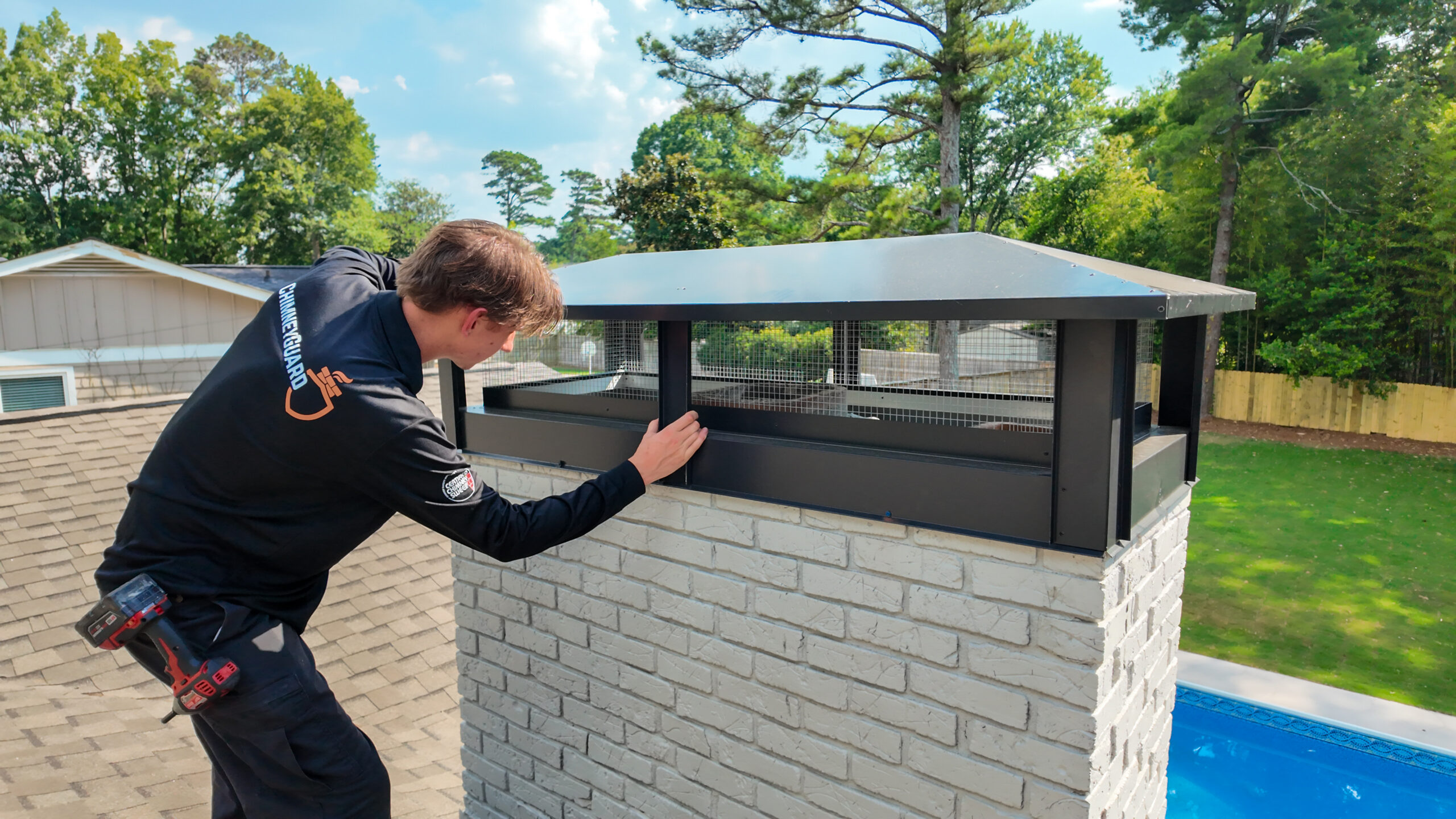
A gas fireplace installation can stall if the existing chimney or firebox cannot support the appliance and its venting system. ChimneyGuard provides gas fireplace inspections, chimney liner repair and replacement, firebox repair, and other chimney repair services throughout the Greater Atlanta area. If you are considering a gas fireplace or insert for an existing chimney, call (877) 804-8273 to have the system checked before installation begins.
Frequently Asked Questions
How Much Does a Gas Fireplace Installation Typically Cost?
What you’ll pay depends on factors identified during inspection: flue relining, masonry repairs, blockage removal, and ventilation upgrades all add expense. Before budgeting, you’ll need a Level II or video inspection to confirm flue size, liner condition, and draft. Fixing hidden hazards first ensures safe, code-compliant venting for your appliance.
How Long Does a Chimney Inspection and Installation Take?
You’ll typically need a few hours for a chimney inspection, since the technician sweeps the flue, runs a draught or smoke test, and completes a video or Level II check for cracks, liner condition, and blockages. Installation usually takes a full day, though it depends on your setup. If you need a new liner, masonry repairs, or flue modifications, expect additional time before you’re cleared for safe operation.
Do I Need a Permit to Install a Gas Fireplace?
Yes, you’ll typically need a permit to install a gas fireplace, since gas appliances involve fuel connections and venting that must meet safety codes. Your local building authority requires inspection to confirm proper flue sizing, liner condition, ventilation, and clearances from combustibles. You’ll need a qualified installer to verify draft, check for spillage, and confirm safe exhaust venting. Skipping the permit risks unsafe operation, fume leakage, and failed compliance checks.
How Often Should I Service My Gas Fireplace After Installation?
You should service your gas fireplace annually. During each yearly inspection, you’ll want a professional to check the chimney and vent for soundness, deposits, and proper clearances. They’ll confirm the flue’s clear of blockages like debris or nesting material, verify the liner’s condition, and test draft to prevent spillage. Don’t skip this, condensation, obstructed venting, or deteriorating masonry can develop over time, creating dangerous fume and combustion hazards you can’t ignore.
Can I Install a Gas Fireplace Without an Existing Chimney?
Yes, you can install a gas fireplace without an existing chimney, but you’ll need a proper venting solution. Direct-vent units draw combustion air from outside and expel exhaust through a wall or roof, so they don’t require a masonry chimney. You must verify adequate ventilation for your appliance type and confirm safe airflow routes. Blocked fresh-air intakes create dangers, so ensure clear venting to prevent fumes from entering your home.