
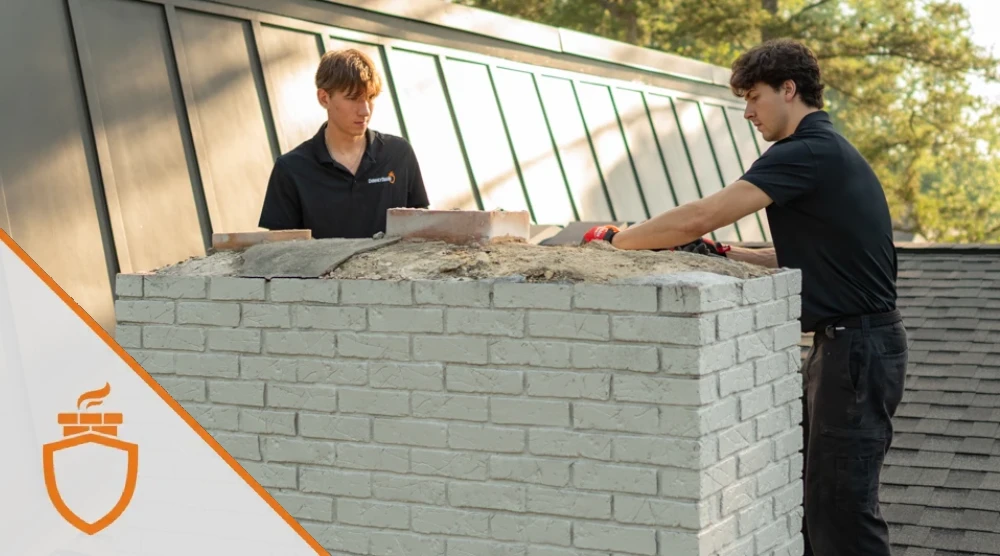
Creosote is a combustible residue that forms when wood smoke condenses inside your chimney’s flue. It progresses through three stages, light, flaky soot; sticky, tar-like deposits; and a hard, glossy glaze that’s extremely difficult to remove. If left unchecked, it can ignite a chimney fire or release toxic fumes like carbon monoxide into your home. You’ll need progressively specialized tools at each stage, from standard brushes to rotary chain heads. Below, you’ll find everything you need to address each stage safely.
What Is Creosote and Where Does It Come From?
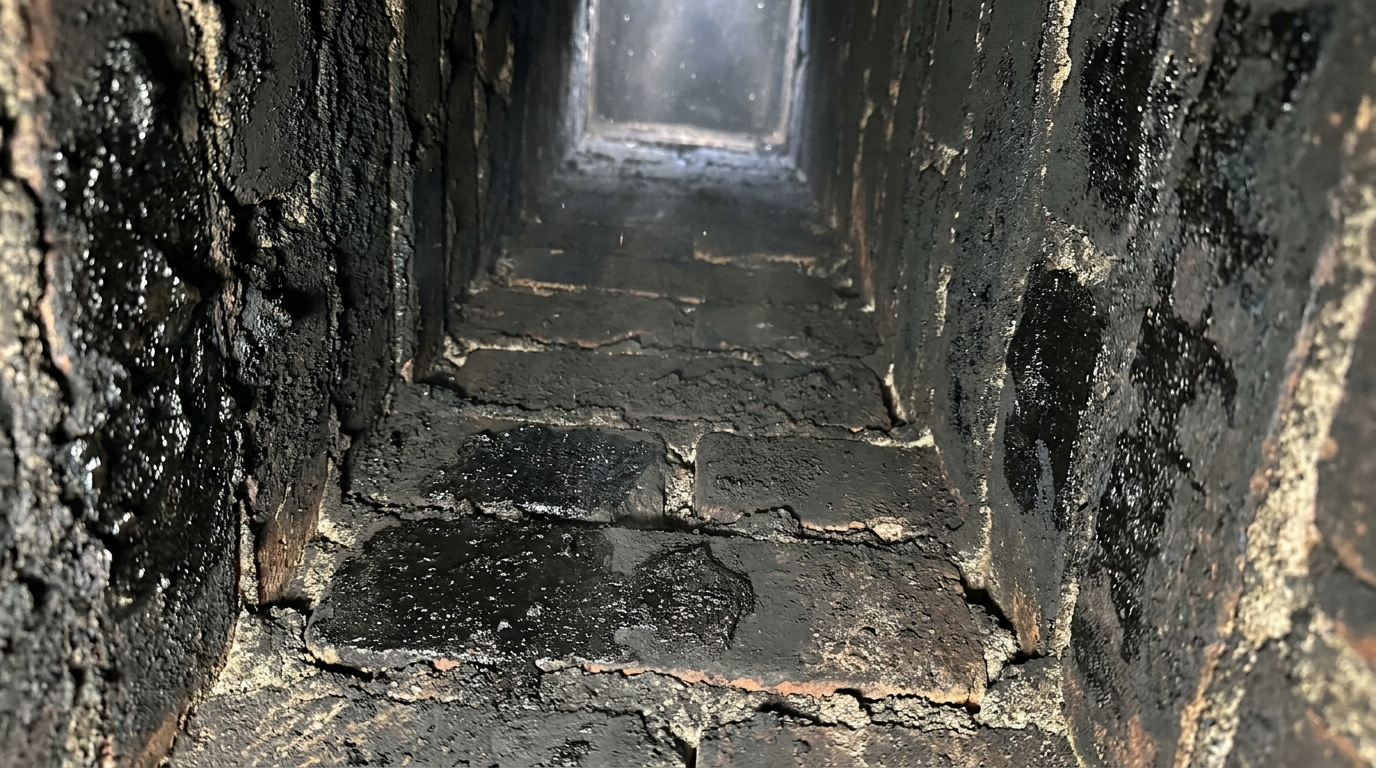
Creosote is a general term for several related chemical mixtures produced by burning or distilling organic materials like wood and coal. Understanding what is creosote requires recognizing its multiple forms: wood creosote from beech and other wood distillation, coal-tar creosote from coal processing, and chimney creosote deposited inside flues.
Coal-tar creosote remains the most widely used wood preservative in the United States, containing polycyclic aromatic hydrocarbons, cresols, and phenols. Wood creosote appears as a clear or yellowish oily liquid, while coal-tar creosote presents as a brownish oily substance. Chimney creosote forms as a dark brown or black flammable tar when wood smoke cools and condenses along your flue walls. Each type carries distinct chemical compositions and associated hazards you shouldn’t ignore. When used as a verb, creosote means to treat with creosote, a process applied primarily in wood preservation to extend the lifespan of outdoor timber.
Why Creosote Forms Inside Your Chimney
Creosote forms when hot smoke cools as it travels up your flue, causing volatile compounds to condense and adhere to the chimney walls. Burning unseasoned wood with moisture content above 20% lowers combustion temperatures, producing heavier smoke that accelerates this condensation process. Restricted airflow from a partially closed damper or tight-fitting glass doors compounds the problem by increasing smoke residence time inside the flue, giving deposits more opportunity to accumulate. An oversized flue allows smoke to linger longer in the chimney, further contributing to creosote buildup.
Cooling Smoke Causes Condensation
When wood burns in your fireplace, the smoke carries water vapor, gases, soot, and unburned particles upward into the flue. As these byproducts rise, they encounter cooler chimney walls and begin condensing on the interior surfaces. This condensed material adheres to the lining rather than exiting the system.
Each fire you burn adds another layer of residue. Faster cooling inside the flue accelerates deposit formation, especially during cold weather when exterior temperatures drop the flue’s surface temperature rapidly. Low-burning fires and restricted airflow compound the problem by producing smoke that’s rich in unburned compounds. Burning wet or unseasoned wood further accelerates formation by introducing excess moisture and smoke into the flue. Over repeated heating cycles, this layer-by-layer accumulation drives progression through the creosote stages, from light soot to hardened glaze. Understanding this condensation process helps you recognize why consistent chimney maintenance prevents dangerous buildup.
Wet Wood Burns Poorly
Moisture content in your firewood directly affects how much creosote accumulates inside your chimney. Wet wood burns at lower temperatures, producing incomplete combustion that leaves unburned particles and gases to deposit along your flue walls. This considerably elevates your creosote fire risk with each burn cycle.
Properly seasoned firewood should measure below 20% moisture content before burning. Key indicators of wet wood problems include:
- Excess smoke carrying unburned particles that cling to chimney surfaces
- Lower combustion temperatures preventing full gas combustion
- Faster residue accumulation ranging from flaky soot to thick tar-like deposits
- Restricted airflow from heavy buildup compromising system performance
You’ll need more frequent chimney cleaning when burning wet wood. Store firewood in covered, ventilated areas for 6, 12 months before use. Comparing diy and professional chimney cleaning can help you understand the benefits of each method. While diy cleaning may save money, professional services often provide a thorough inspection and can address issues you might overlook.
Insufficient Airflow Increases Buildup
Restricted airflow inside your chimney slows smoke exit velocity and increases residence time, giving combustion byproducts more opportunity to cool and condense on flue walls as creosote. When you close glass doors too tightly or fail to open your damper wide enough, you’re creating the exact conditions that accelerate buildup.
A weak draft compounds the problem by allowing moisture-laden smoke to linger in the upper flue, where temperatures drop and condensation intensifies. Oversized or obstructed flues produce similar effects, smoke hangs in the system longer, cooling against interior surfaces and depositing sticky residue that hardens over time. Restricted airflow also reduces combustion efficiency, meaning your fire produces more unburned particles that feed creosote development. Maintain open damper settings and guarantee your flue remains clean and unobstructed.
The Three Stages of Creosote Buildup
Creosote develops in three distinct stages, each representing a progressively greater fire hazard and removal challenge.
- Stage 1 presents as light, flaky soot you can remove with a standard chimney brush.
- Stage 2 produces sticky, tar-like deposits that adhere firmly to flue walls and resist basic sweeping.
- Stage 3 glazed creosote forms a hard, shiny coating that’s extremely difficult to remove without professional-grade tools or chemical treatments.
- All three stages are combustible, but thicker deposits ignite more readily and burn with greater intensity.
You’ll accelerate progression through these stages by burning unseasoned wood, restricting airflow, or maintaining smoldering fires. Each cycle of deposition and hardening compounds the problem. Regular inspection helps you catch buildup early before it reaches dangerous levels requiring costly intervention.
How to Identify Your Current Creosote Stage
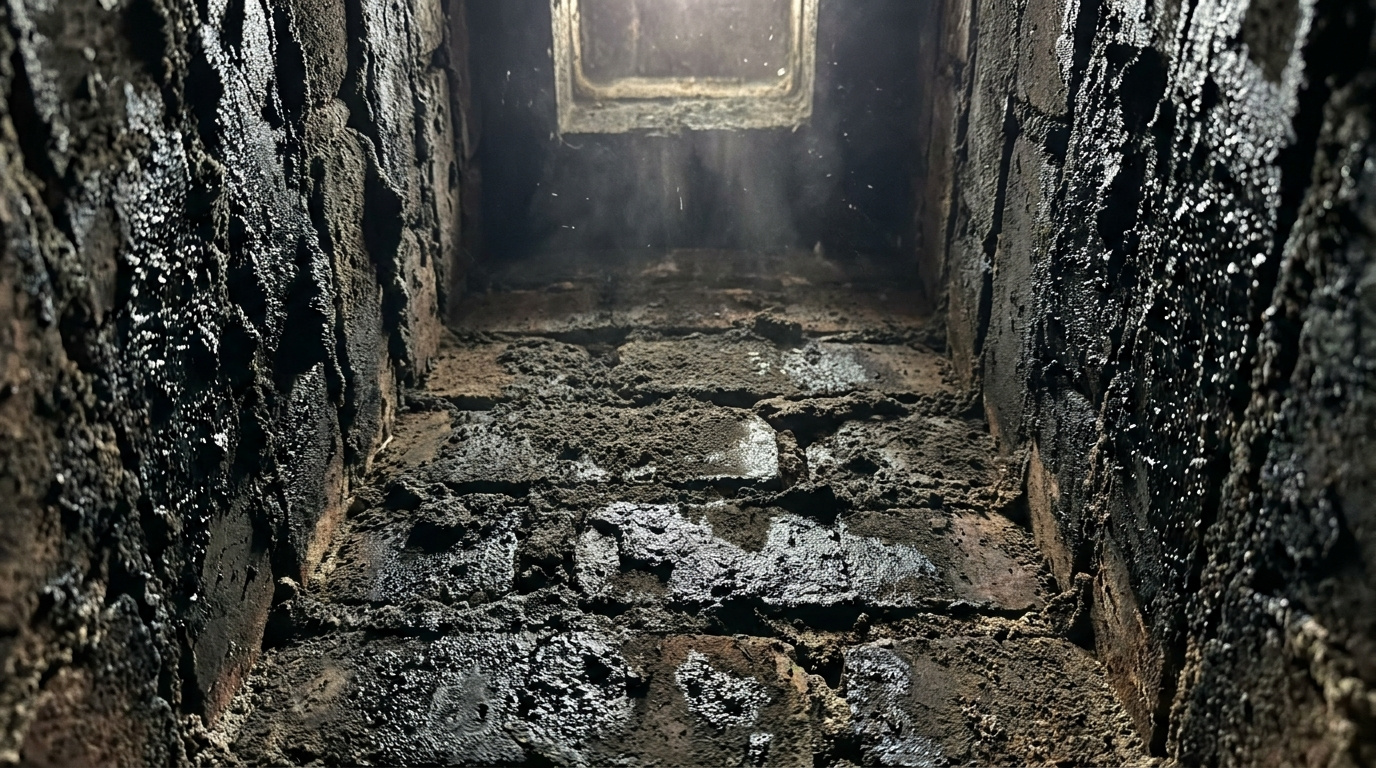
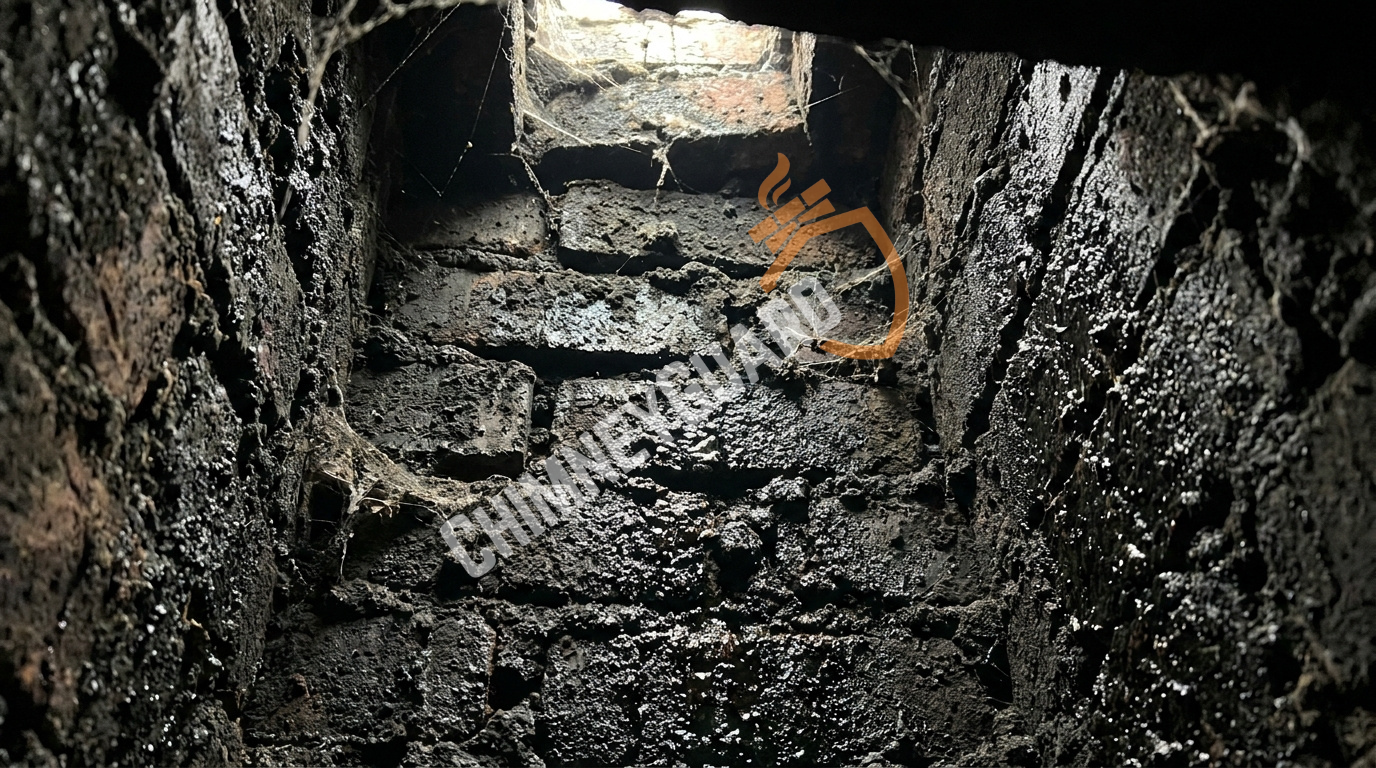
Knowing what each stage looks like in theory won’t help unless you can recognize it inside your own chimney. Start by shining a flashlight up the flue and examining the residue. Stage 1 appears as fine, black powdery soot you can brush away easily. Understanding creosote vs soot matters here, light soot is normal, but sticky or layered deposits signal advancing creosote.
Stage 2 looks crusty, porous, and dark brown to black with a tar-like texture that resists brushing. Stage 3 presents as a hard, shiny, varnish-like glaze that’s extremely difficult to remove.
If you notice glossy, hardened deposits or a strong smoky odor, you’re likely dealing with Stage 2 or 3 buildup. Schedule a certified chimney sweep inspection immediately. Signs your chimney needs a sweep can also manifest as increased smoke or soot inside your home. If you experience frequent chimney fires or notice a creosote buildup, it’s crucial to take action.
Chimney Fires and Other Creosote Dangers
When creosote deposits accumulate beyond surface-level soot, they become a highly flammable fuel layer that can ignite at surprisingly low temperatures inside your flue. Understanding chimney fire basics starts with recognizing that creosote doesn’t just threaten fire, it compounds multiple hazards simultaneously.
Accumulated creosote creates these specific dangers:
- Chimney fires that produce intense heat, cracking or warping flue liners and masonry components
- Carbon monoxide infiltration when blocked flues prevent combustion gases from venting properly
- Smoke spillage into your living space due to restricted draft and poor airflow
- Structural damage that compromises your chimney’s integrity and requires costly professional repair
Each risk intensifies as deposits harden. Restricted airflow accelerates further creosote formation, creating a dangerous feedback loop that makes regular inspection and cleaning essential.
Health Risks From Creosote Exposure at Home
Beyond fire and structural damage, creosote poses direct health risks to you and your household through multiple exposure pathways. Inhaling creosote vapors can irritate your respiratory tract, triggering coughing, wheezing, and breathing difficulty. Direct skin contact may cause chemical burns and eye damage, while ingestion of contaminated water can produce stomach pain and systemic poisoning.
Long-term health risks from creosote exposure at home include increased bronchitis, decreased respiratory function, and neurological effects. The EPA classifies coal-tar creosote as probably carcinogenic, linking prolonged exposure to cancers of the skin, lungs, kidneys, and bladder. Children face identical toxicity risks as adults. Large acute exposures can cause confusion, organ damage, unconsciousness, and death. You should seek immediate medical attention after any suspected creosote contact.
How to Remove Creosote at Every Stage
Because creosote progresses through distinct stages, your removal approach must match the severity of the buildup. Stage 1 flaky creosote yields to a standard chimney brush during routine sweeping. Stage 2 deposits demand aggressive tools like rotary loops or flat wire brushes. Stage 3 glazed buildup requires rotary chain heads or chemical removers with 3, 5 days of drying time before brushing.
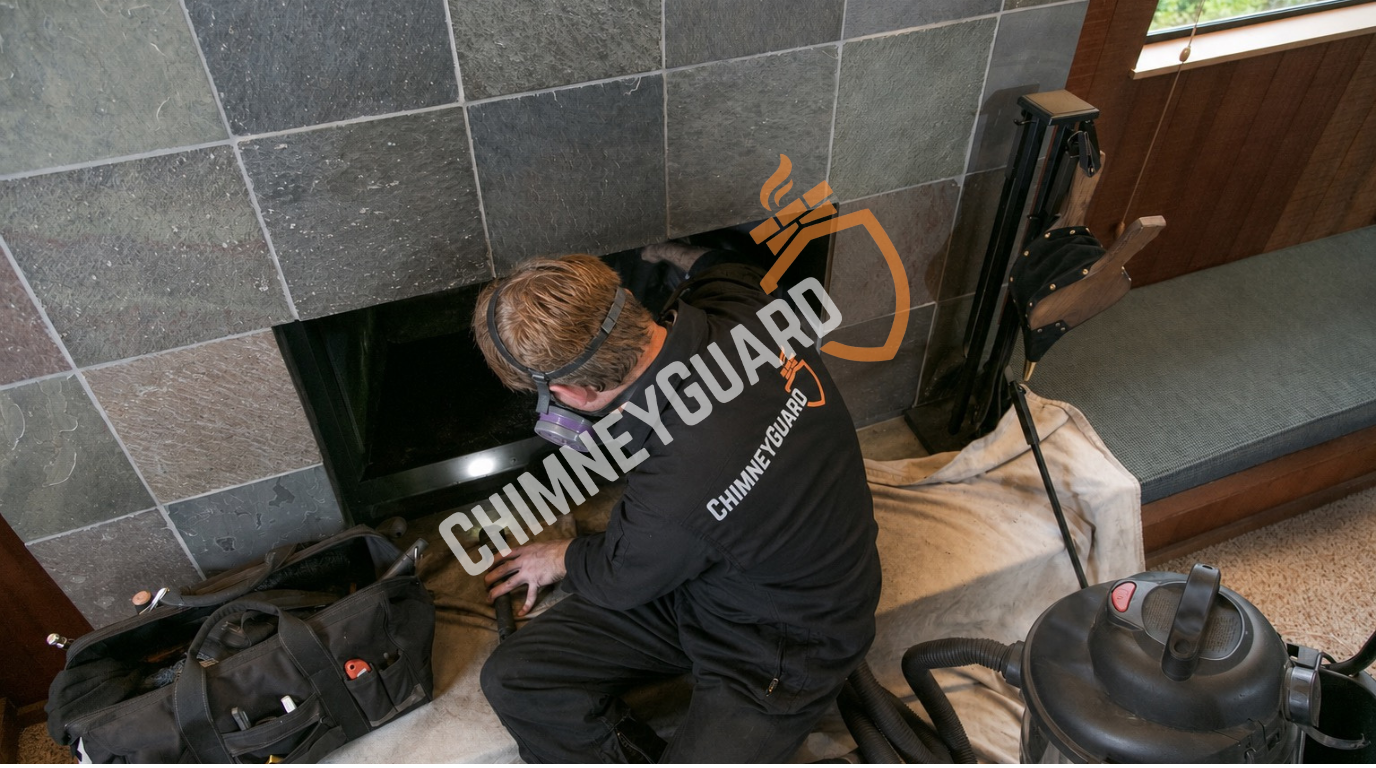
Regardless of stage, always use proper protective equipment:
- Eye protection to shield against dislodged particulate
- Chemical-resistant gloves for handling caustic removers
- A fitted respirator to prevent inhalation of fine creosote dust
- Adequate ventilation throughout the workspace
Heavy deposits often require repeat cleaning passes. Schedule yearly inspections to catch buildup early and prevent dangerous accumulation.
Burning Habits That Prevent Creosote Buildup
Finally, adopt routine maintenance and operating habits, schedule annual chimney sweeping and clean after every three cords burned. Don’t attempt burning creosote off; it’s unsafe. Following these practices will help ensure your fireplace operates efficiently and safely. The chimney cleaning guide provides essential tips for maintaining a clear chimney that minimizes fire hazards.
When to Call a Professional for Creosote Removal
Knowing when to call a professional for creosote removal prevents dangerous conditions from escalating. Schedule service immediately if you observe:
- Dark, tarry, glazed deposits bonded tightly to flue walls
- Third degree creosote, black, glassy, and extremely flammable buildup requiring specialized equipment
- Reduced airflow or draft problems caused by flue restriction
- Evidence of a prior chimney fire, such as honeycomb-like residue patterns
Never attempt to burn off hardened creosote yourself. Annual inspections catch buildup early, before deposits advance past routine soot removal into hazardous territory demanding professional intervention.
Keep Your Chimney Clean and Safe Year-Round
Routine chimney cleaning protects your home from fire risk and keeps your fireplace running efficiently. At Chimney Guard serving the Greater Atlanta Area, our certified team provides trusted Chimney Sweep services with quality workmanship and certified expertise. Call +1 (770) 275-2500 today and book your appointment with confidence.
Frequently Asked Questions
Can Creosote Buildup Affect the Resale Value of a Home?
Yes, creosote buildup can absolutely affect your home’s resale value. It signals deferred maintenance, fire hazards, and potential chimney damage, all of which reduce buyer confidence. Inspectors will flag even moderate buildup as a safety defect, and glazed Stage 3 creosote requires costly professional removal that buyers often negotiate into price concessions. You’ll protect your resale position by maintaining annual inspections and keeping documented cleaning records from a certified chimney professional.
Does Burning Artificial Fire Logs Produce Creosote in Chimneys?
Yes, burning artificial fire logs can produce creosote in your chimney. Although manufacturers market them as clean-burning, the combustion byproducts still condense on cooler flue surfaces, creating a fluffier residue that can plug your chimney over time. Cleaning logs may loosen existing deposits through chemical action, but they won’t fully remove hardened buildup. You’ll still need professional sweeping and inspection to prevent airflow restriction and reduce your chimney fire risk.
Can Creosote Form in Gas Fireplace Chimneys or Venting Systems?
Gas fireplaces don’t typically produce creosote since it’s a byproduct of burning wood and solid fuels. However, you shouldn’t skip maintenance, your gas venting system can still accumulate corrosive residue, soot, and moisture-related deposits that compromise draft and safety. If you notice dark buildup, unusual odors, or draft issues, you’ll want a certified technician to inspect your venting system promptly. Schedule annual inspections to guarantee proper combustion and vent integrity.
How Long Does It Take for Dangerous Creosote Levels to Develop?
Dangerous creosote levels can develop in as little as one heating season, sometimes faster if you’re burning wet or unseasoned wood with poor airflow. A deposit of just 1/8 inch is enough to create a serious fire hazard. If you’re using your fireplace even once a week during winter, you’ll likely accumulate hazardous buildup over time. You should schedule annual inspections and cleanings before deposits harden into harder-to-remove stages.
Are Creosote Sweeping Logs Effective Compared to Professional Chimney Cleaning?
Creosote sweeping logs can help loosen light to moderate buildup, but they won’t replace professional chimney cleaning. They work as a chemical treatment that dries deposits, making some flake off, but you’ll still need to manually remove loosened material. They can’t address hardened third-stage creosote, clear blockages, or identify structural damage. You should use them as a supplemental tool between annual professional inspections and mechanical sweepings.