


You should have your chimney swept at least once a year, or twice if you burn wood more than three times weekly. A certified sweep uses specialized brushes and HEPA-filtered vacuums to remove creosote buildup, which becomes a fire hazard at just 1/8″ thick. Tall chimneys and heavy accumulation make the job more involved and may call for specialized equipment. Watch for smoky odors, weak drafts, or dark oily residue as urgent warning signs. Below, you’ll find everything you need to keep your chimney safe year-round. Signs your chimney needs cleaning can often be detected through simple observations. If you notice an increase in smoke while burning, it may indicate that the airflow is restricted.
How Often Does Your Chimney Really Need Cleaning?
Your usage directly affects this interval. If you’re burning wood more than three times per week during heating season or exceeding a cord per year, you’ll likely need sweeping twice annually. Burning softwoods like pine accelerates buildup further.
Gas systems still require annual inspection, even though they don’t produce creosote like wood appliances. Infrequent use doesn’t eliminate the need, since nests, debris, and structural deterioration can develop regardless of how often you light a fire. The CSIA recommends scheduling a cleaning whenever creosote or soot reaches 1/8″ of buildup inside the flue.
Warning Signs Your Chimney Needs Sweeping Now
If you notice a persistent smoky odor indoors when your fireplace isn’t in use, creosote buildup inside the flue is likely forcing combustion byproducts back into your living space. Visible black or brown soot deposits on your damper, firebox walls, or flue liner confirm that residue has accumulated to levels requiring professional removal. When your fires struggle to ignite or burn out quickly, restricted airflow from obstructions in the venting path is compromising both performance and safety. Dark, oily marks on fireplace surfaces signal creosote dripping down the flue, creating a serious fire hazard that demands immediate attention.
Smoke Smell Indoors
Creosote deposits lining your flue and smoke chamber release persistent odors that seep into living spaces. When you notice these smells clinging to furniture and clothing, smoke residues aren’t venting properly. Wildlife such as bats, birds, or rodents can also nest inside your chimney, creating blockages that force smoke and odors back into your home.
Watch for these specific indicators:
- Persistent campfire smell when the fireplace is idle
- Odor spreading through multiple rooms or onto fabrics
- Smoke backdraft pushing visible haze into your home during use
- Fires that die quickly or struggle to stay lit
These signs together signal restricted airflow and dangerous creosote accumulation. Schedule a professional inspection promptly, and don’t wait for your annual check.
Visible Soot Buildup
How quickly can soot turn from a minor nuisance into a serious hazard? If you’re noticing black, flaky deposits on your firebox walls, damper, or smoke shelf, you’re looking at visible soot buildup that demands immediate attention. Crunchy flakes falling when you open the damper confirm accumulation has reached a critical point.
Clean your chimney when deposits reach 1/8 inch thick anywhere in the system. If residue smears like tar, you’re dealing with creosote contamination, not routine soot. Hard, shiny, or glass-like deposits indicate advanced buildup with elevated fire risk.
Soot appearing on your mantle or hearth edges signals abnormal exhaust behavior requiring professional evaluation. Don’t attempt to burn out deposits, since it’s unsafe. Schedule inspection and sweeping immediately when visible soot buildup appears throughout your chimney system.
Fire Starting Difficulties
When your fire struggles to ignite or dies shortly after lighting, the chimney is telling you something’s wrong. Fire starting difficulties rank among the most actionable warnings in any chimney cleaning guide because they signal restricted airflow through the flue.
Watch for these specific indicators:
- Repeated failed ignition attempts despite dry, seasoned wood and proper kindling placement.
- Flames that die within minutes, requiring constant relighting or excessive fuel additions.
- Sluggish combustion with weak, low flames that won’t sustain heat output.
- Visible smoke pooling in the firebox rather than drawing upward through the flue.
Creosote narrowing the chimney passage reduces oxygen supply, directly undermining combustion stability. Don’t compensate by forcing more fuel, since you’ll worsen buildup. Schedule a professional inspection immediately when fire-starting difficulties persist.
What Happens During a Professional Chimney Sweep?
Before any brushes touch the flue, a certified technician conducts an initial inspection of your chimney and fireplace system. Using a flashlight or chimney camera, they’ll assess creosote buildup, blockages, and structural concerns. This sets expectations for the cleaning method required.
Next, drop cloths and plastic sheeting protect your living space while a HEPA-filter vacuum controls airborne soot. When it comes to chimney cleaning, what to expect, specialized brushes and rods scrub creosote and debris from flue walls, and power-sweeping equipment handles hardened deposits.
After flue sweeping, technicians clear the firebox, smoke shelf, and smoke chamber where hidden buildup collects. A final inspection confirms the system is clear, often documented with photos or video. You’ll receive a service report noting any repair needs or maintenance recommendations.
What Affects the Scope of a Chimney Sweep
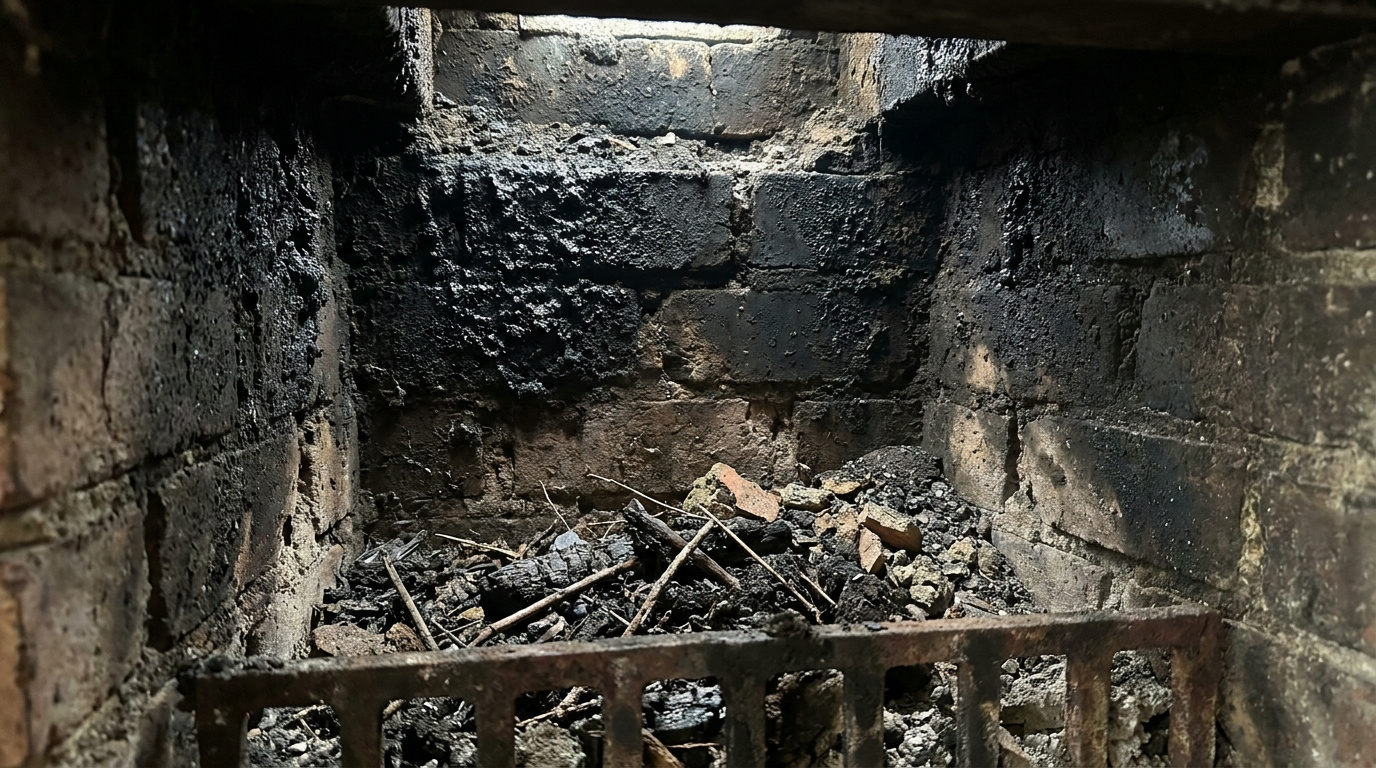
No two sweeps are identical. Several factors determine how involved the work will be and what equipment your technician brings:
- Chimney type, since gas fireplaces sweep faster than wood-burning systems or pellet stoves due to lighter residue buildup.
- Creosote accumulation, since heavy or glazed deposits require more labor and specialized treatment than routine soot.
- Accessibility, since tall chimneys, steep roofs, and difficult access points call for added setup and safety measures.
- Add-on needs, such as nest removal, cap repairs, or a more detailed inspection, extend the visit.
Most providers bundle the inspection and cleaning into a single appointment, so you get both the sweep and a safety assessment in one visit rather than scheduling them separately.
Level 1 vs. Level 2 Chimney Inspections
Two distinct inspection levels apply to residential chimneys, and knowing which one you need ensures you don’t overlook hidden hazards.
A level 1 inspection covers readily accessible interior and exterior components, confirming basic structural soundness, flue condition, and clearance of obstructions. It’s appropriate when your system hasn’t changed, and no damage or performance issues exist, making it the standard annual maintenance check.
A level 2 inspection goes deeper, examining attic spaces, crawlspaces, and internal flue surfaces using video camera equipment. You’ll need one when selling your home, replacing an appliance, relining the flue, or after a chimney fire, weather event, or lightning strike. It detects concealed cracks, gaps, and blockages that a visual check can’t reveal, giving you a complete diagnostic picture for safety and repair planning.
What Burns Clean and What Wrecks Your Chimney
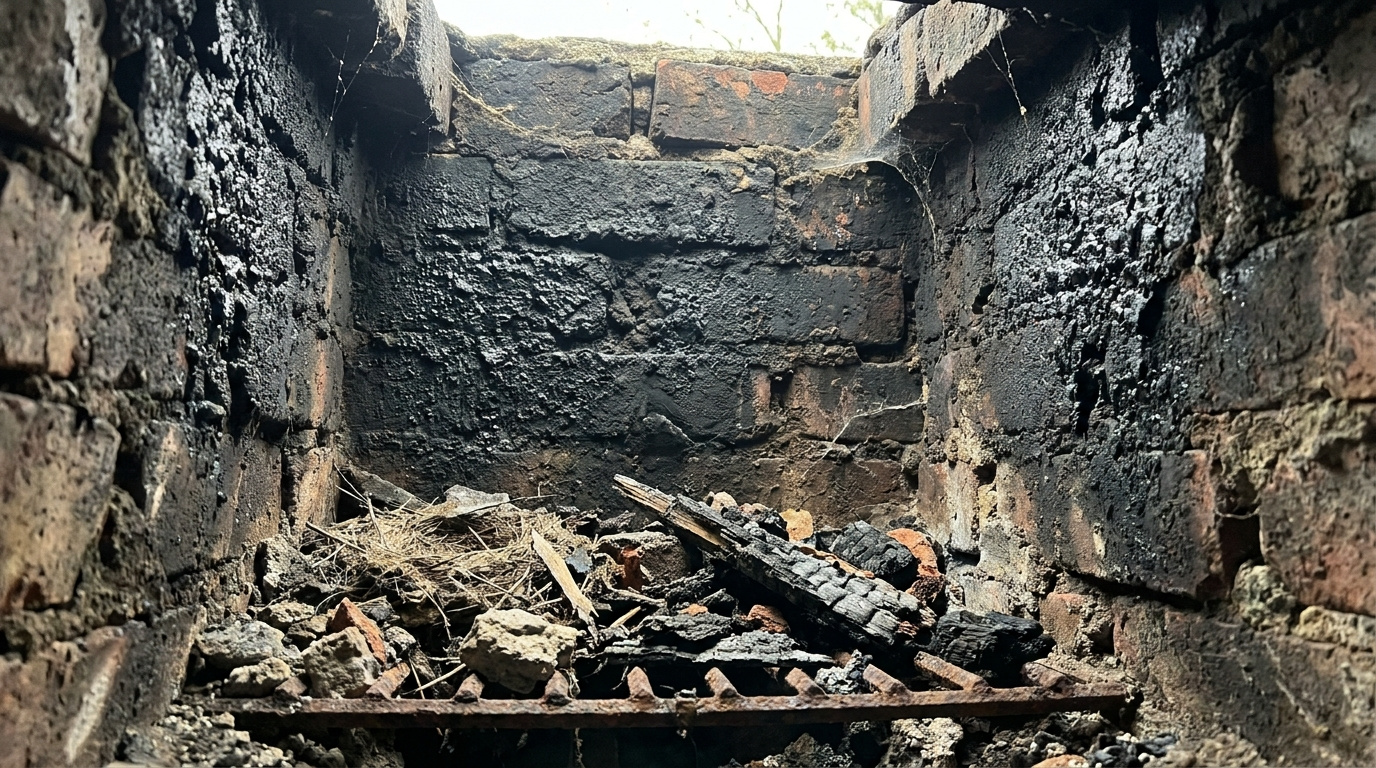
The fuel you burn directly determines how much creosote accumulates in your flue and how quickly your chimney deteriorates. Seasoned hardwoods with low moisture content produce hotter, more complete combustion, leaving minimal soot and residue on flue walls. Burning wet wood, treated lumber, painted materials, or household garbage accelerates dangerous creosote buildup and introduces corrosive compounds that can damage your chimney’s liner and masonry.
Best Fuels To Burn
Not all firewood performs equally. Your fuel choice directly affects creosote accumulation, drafting efficiency, and chimney fire risk. Seasoned hardwoods remain the best overall fuel for wood-burning systems. Here’s what you should prioritize:
- Seasoned hardwoods (oak, maple, hickory, cherry), which burn hotter, produce less creosote, and deliver steady heat output.
- Properly dried softwoods (spruce, fir), which are acceptable when seasoned thoroughly, though they require more frequent chimney inspections.
- Wood pellets, which are engineered for efficient combustion with minimal smoke and reduced flue residue.
- Hot, sustained burns, meaning you run an intense fire for at least 30 minutes daily with the damper open to improve draft and limit incomplete combustion.
Always store wood under cover and verify moisture content stays low before burning.
Materials To Avoid
While seasoned hardwoods burn cleaner than most alternatives, no fuel eliminates creosote buildup entirely, and certain materials accelerate damage far beyond normal wear.
Among the top materials to avoid: wet or unseasoned wood dramatically increases smoke output and creosote accumulation. Softwoods and resin-rich species deposit tar faster due to incomplete combustion. Trash, treated lumber, painted wood, and household waste leave corrosive, toxic residues that damage your flue liner and create hazardous emissions.
Chimney sweeping logs and chemical creosote reducers don’t replace professional cleaning. They can loosen creosote in dangerous sheets, damage liners, and cause irreversible harm to wood-burning stoves. These products create a false sense of safety while hidden buildup remains.
Smoldering, low-oxygen fires compound the problem. You should burn hot, efficient fires and schedule annual professional inspections.
DIY Chimney Maintenance Between Professional Sweeps
Between professional sweeps, you can handle light chimney maintenance yourself, but only if you treat every task involving soot or creosote as a genuine exposure risk, not a routine household chore.
Safe DIY chimney maintenance includes these core tasks:
- Remove cold ash only after it’s fully cooled, since ash can retain ignition-level heat for days.
- Inspect accessible areas (firebox, damper, flue entrance, cap) using a flashlight to spot cracks, rust, or debris.
- Test damper operation to confirm it opens fully and closes snugly, flagging blockage or damage early.
- Clear cap screens of leaves, twigs, and nests when you can reach them safely.
Wear a P100 respirator, sealed goggles, and gloves during any soot contact. Leave deep cleaning and liner assessment to certified professionals.
Why Chimney Sweeping Logs Won’t Replace a Pro
Although chimney sweeping logs are marketed as reducing creosote buildup by up to 60%, they don’t eliminate it, and that residual creosote remains highly flammable. The logs make creosote more brittle, but loosened flakes can ignite during descent or accumulate as new fuel deposits on the smoke shelf.
| Sweeping Logs | Professional Sweeping |
|---|---|
| Partial creosote reduction | Full mechanical removal |
| Can’t detect structural damage | Thorough inspection included |
| Misses blockages and nests | Clears all debris and hazards |
| May loosen flammable material | Eliminates fire and CO risks |
The Chimney Safety Institute of America (CSIA) states these logs are no substitute for annual professional inspection and sweeping. Use them only as a supplement between certified service visits.
Keep Your Chimney Clean and Safe Year-Round
Routine chimney cleaning protects your home from fire risk and keeps your fireplace running efficiently. At Chimney Guard serving the Greater Atlanta Area, our certified team provides trusted Chimney Sweep services with quality workmanship and certified expertise. Call +1 (770) 275-2500 today and book your appointment with confidence.
Frequently Asked Questions
Can You Use a Chimney Without a Chimney Cap Installed?
You can technically use a chimney without a cap, but you’re exposing your flue to significant risks. Rain, animals, debris, and downdrafts can enter freely, causing moisture damage, blockages, and fire hazards. Without a cap’s mesh screen, hot embers can also escape onto your roof. Even if you rarely use your fireplace, you should install a cap promptly and schedule a professional inspection to assess any existing damage or obstruction.
How Long Does a Chimney Liner Typically Last Before Needing Replacement?
Clay tile and cast-in-place liners typically last 50+ years, while stainless steel liners average 15 to 30 years. Aluminum liners usually last 15 to 20 years but can fail sooner. Moisture, creosote buildup, chimney fires, and poor maintenance all shorten liner life. You should schedule annual inspections to catch cracks, corrosion, or draft problems early, since replacement timing depends on your liner’s condition, not just its age.
Do Gas Fireplaces Produce Any Creosote Buildup Over Time?
Gas fireplaces produce little to no creosote because creosote forms primarily from burning wood. However, your gas unit can still accumulate soot, dust, or residue from incomplete combustion, dirty burners, or poor venting. While these deposits aren’t classic creosote, they can restrict draft and raise carbon monoxide risks. If you notice black residue near your burner or vent, you should have a professional inspect your appliance for combustion issues promptly.
How Long Does a Professional Chimney Sweep Take?
A standard chimney sweep and Level 1 inspection usually takes about 45 minutes to an hour for a clean, easily accessible system. Heavier creosote buildup, glazed deposits, blockages like animal nests, or difficult roof access can extend the visit. Multiple flues or a system that hasn’t been swept in several years also add time. Your technician should give you a clearer estimate after the initial inspection, once they’ve seen the condition of your flue.
Should You Waterproof Your Chimney, and How Often Is It Needed?
Yes, you should waterproof your masonry chimney. Water absorption causes cracking, spalling, mortar damage, and leaks over time. Use a breathable, silane-based sealer that repels liquid water while letting vapor escape. You’ll typically need to reapply every 10 to 15 years, but you should inspect annually for stains, efflorescence, or cracked mortar. Before waterproofing, you’ll need to repair any existing masonry defects, crown damage, and flashing issues first.