
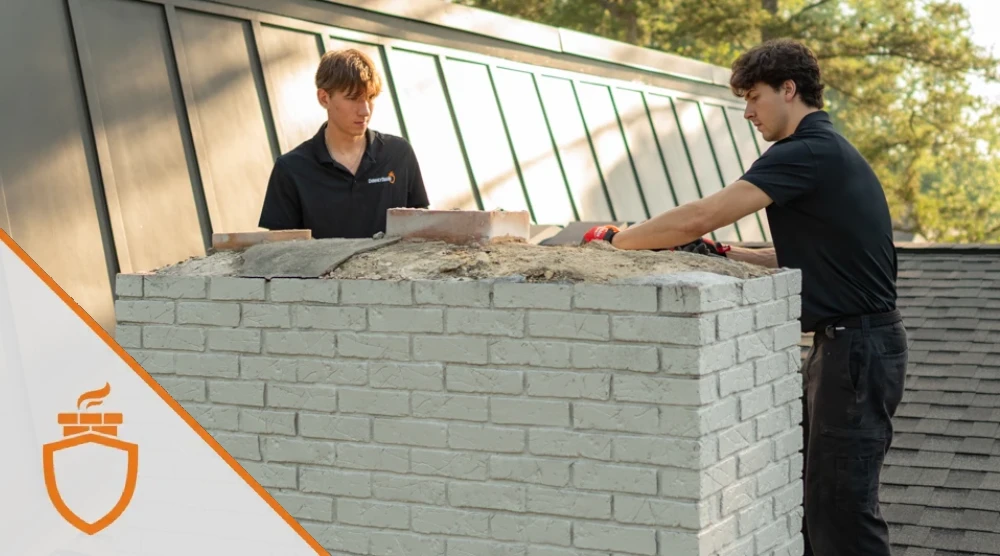
If smoke’s backing into your room, you’re dealing with a blocked or dirty chimney that needs immediate attention. Other key warning signs include a persistent smoky odor (especially in humid weather), visible soot or creosote buildup inside the flue, weak fires that won’t stay lit, and animal sounds or debris in the firebox. Creosote accumulation over 1/8 inch poses a serious chimney fire risk. Each of these signs points to specific issues you’ll want to understand fully. Cleaning and sweeping your chimney is essential for maintaining a safe and efficient fireplace. Regular maintenance can prevent hazardous conditions and ensure that your chimney remains clear of blockages.
Smoke Backing Into the Room Means Your Chimney Needs Attention
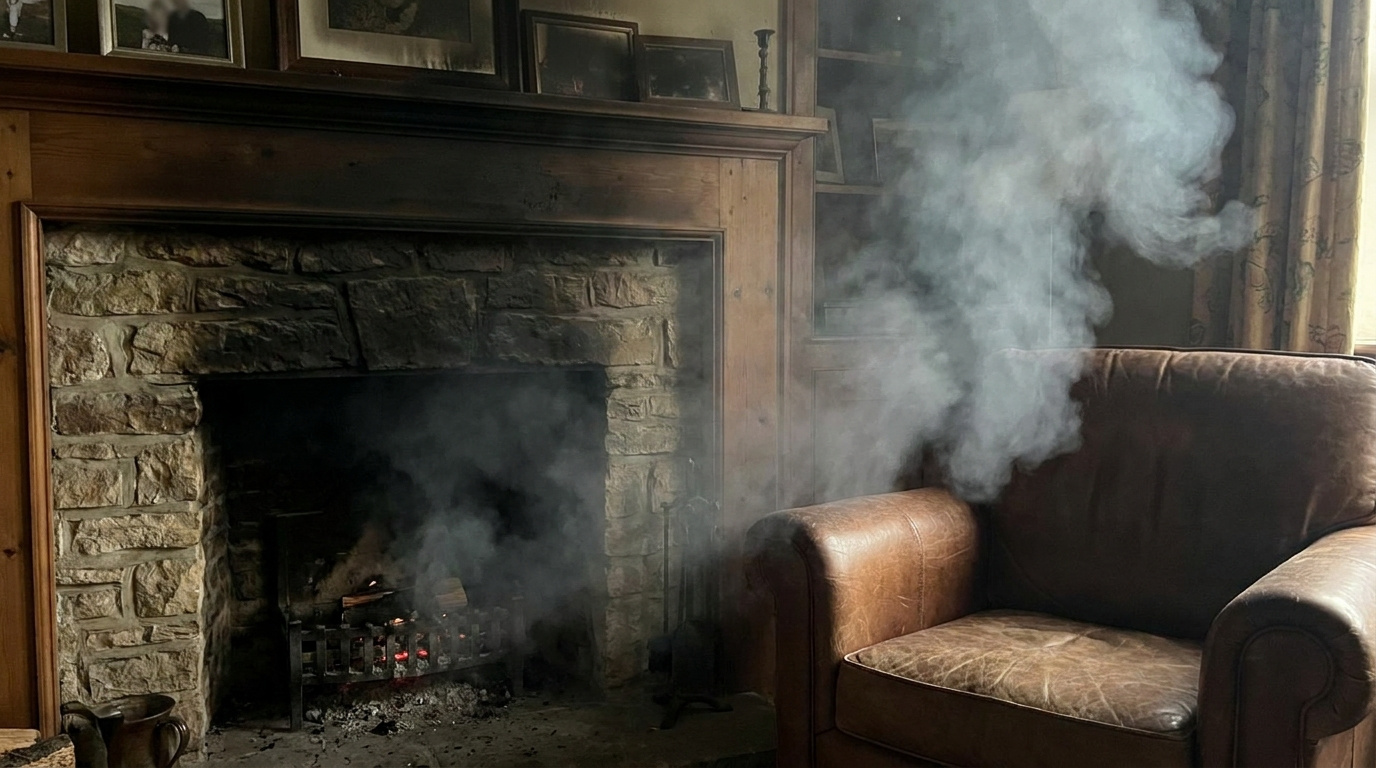
Smoke backing into your room during a fire is one of the clearest signs your chimney needs immediate attention. This back puffing condition means combustion gases aren’t exiting through the flue as designed. When you notice smoke coming back into the house, you’re likely dealing with restricted airflow from creosote buildup, debris, or animal nests blocking the passage.
These dirty chimney symptoms point to serious safety hazards. Backed-up smoke carries carbon monoxide into your living space, creating invisible danger. Creosote accumulation narrowing the flue is often the primary culprit, once deposits reach 1/8 inch thickness, cleaning becomes critical. Blockages also increase chimney fire risk considerably. Don’t dismiss smoke spillage as a minor inconvenience. Contact a certified chimney professional for inspection and sweeping before using your fireplace again. The National Fire Protection Association recommends yearly chimney cleaning to catch these dangerous conditions before they escalate into costly repairs or life-threatening emergencies.
A Lingering Smoke Smell Points to Chimney Buildup
Even when smoke isn’t visibly entering your living space, a persistent smoky odor after your fire’s gone out often signals creosote buildup lining your chimney flue. This tar-like residue forms when combustion byproducts condense on cooler flue surfaces, and it intensifies during humid or warm conditions as moisture activates trapped compounds. Beyond creosote, chimneys can also trap leaves, twigs, and small animals, and decomposing organic matter releases foul odors that become more noticeable in warmer months.
A lingering smoke smell shouldn’t be dismissed, it’s often an early indicator of flammable accumulation requiring professional attention.
- Humidity and summer heat volatilize creosote deposits, making odors noticeable even months after your last fire
- Burning unseasoned wood accelerates residue formation and worsens odor intensity
- Water intrusion mixing with creosote creates stronger, more persistent smells
- Running air conditioning can alter indoor pressure, pulling chimney odors into living spaces
Schedule an inspection to assess buildup levels and reduce fire risk.
Soot and Creosote You Can See Inside the Flue
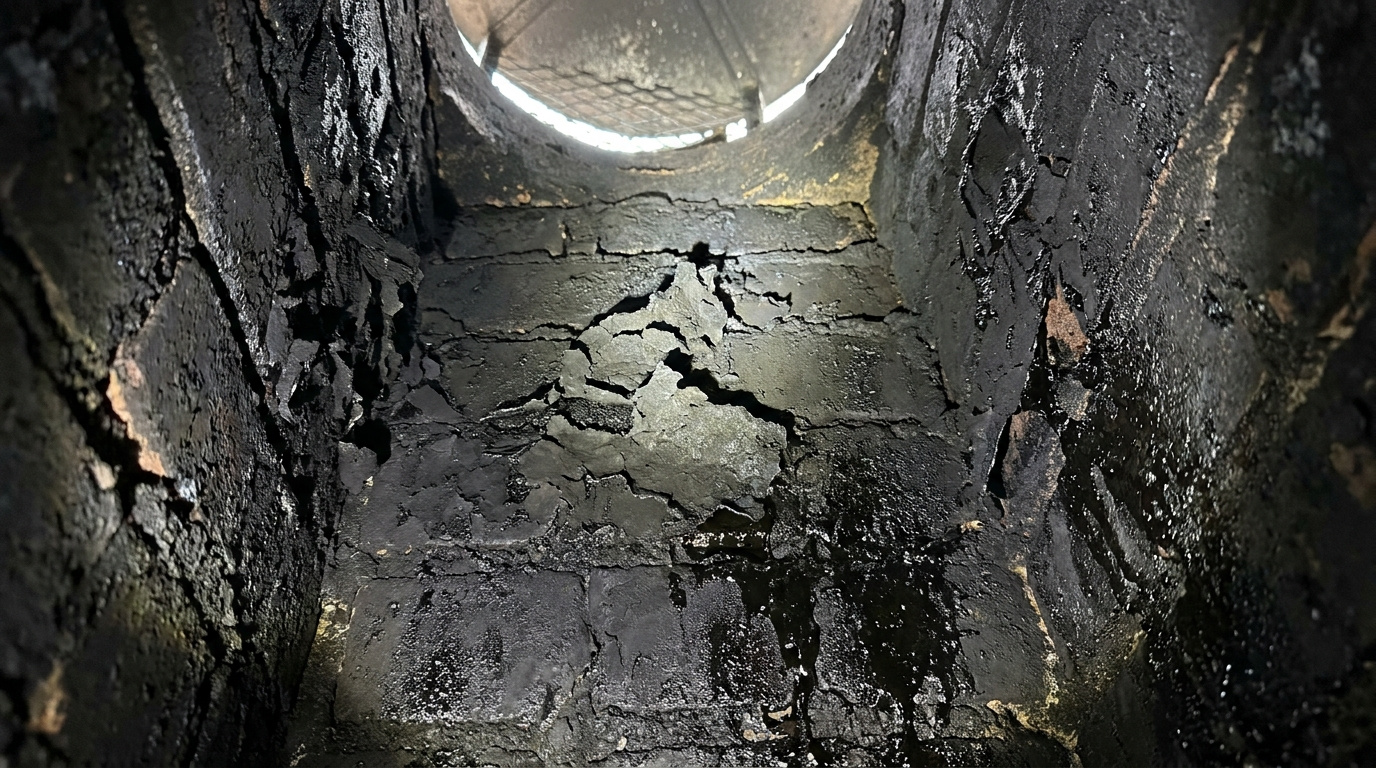
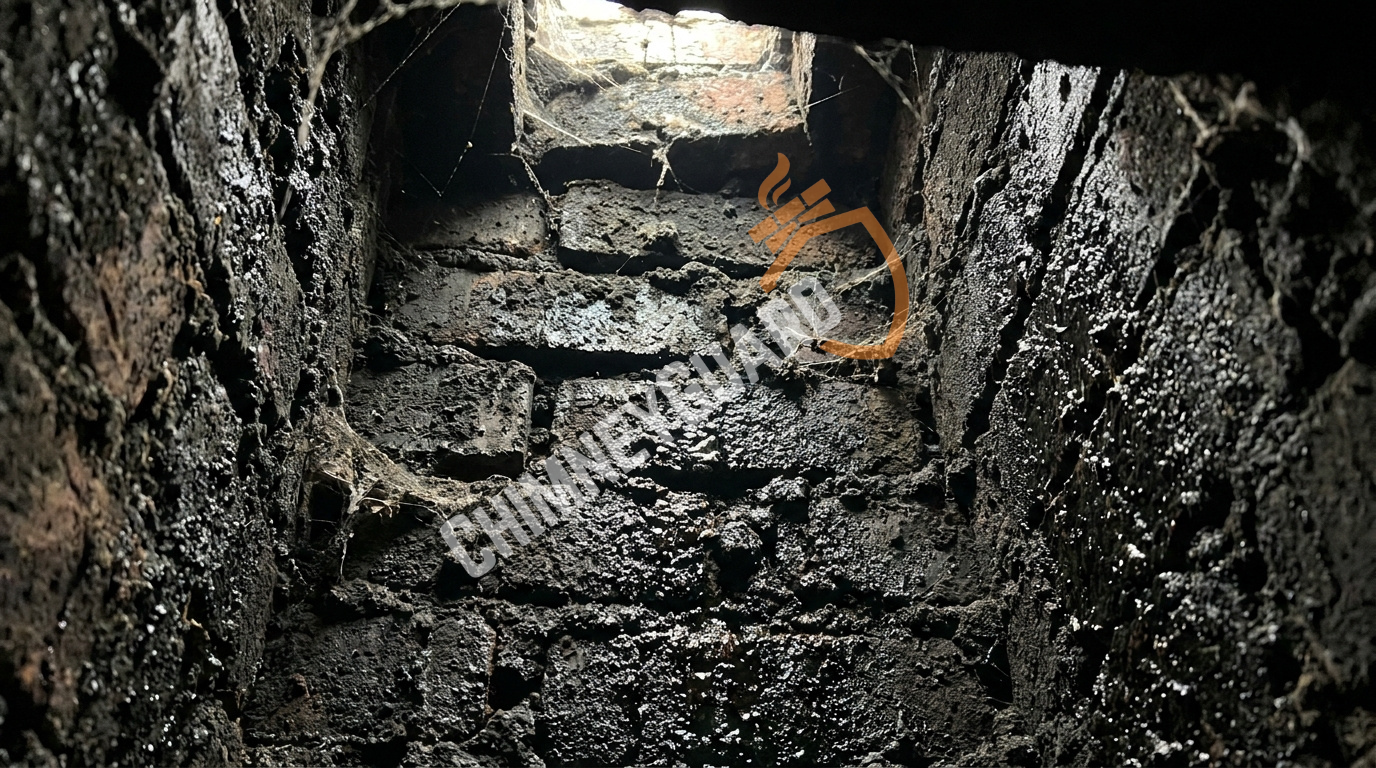
You should assess the texture carefully. Early deposits appear crusty or flaky, while advanced accumulation forms a sticky, tar-like layer or hardened creosote glaze, a shiny, glass-like coating that’s notably harder to remove. Fluffy, gray, honeycombed residue may indicate a chimney fire has already occurred. The 3 stages of creosote can significantly impact chimney performance. Understanding these stages is essential for maintaining a safe and efficient fireplace.
Don’t overlook soot in fireplace areas like the firebox or breech, as these confirm deposits are traveling through your entire vent path. Dark fluid on the chimney cap signals active moisture-related creosote problems. Any visible accumulation warrants prompt professional cleaning. Burning unseasoned firewood produces cooler fires that accelerate smoke condensation, leading to faster creosote formation on flue surfaces.
Weak Fires That Signal a Dirty Chimney
When your fireplace fires struggle to ignite or won’t stay lit, a dirty chimney is often the cause. A flue obstruction from creosote or soot restricts airflow, reducing the oxygen supply your fire needs for proper combustion. You’ll notice weak fires that burn sluggishly, produce excessive smoke, and leave behind unburned wood rather than clean ash.
Key indicators of draft-related problems include:
- Weak fires that repeatedly go out or won’t establish consistent flames
- Smoky, oxygen-starved burning despite using properly seasoned firewood
- Dark smoke output suggesting incomplete combustion from a flue obstruction
- Blackened dampers or tar-like residue on fireplace surfaces indicating creosote buildup
If your fires consistently underperform, schedule an inspection promptly, restricted venting increases both chimney fire and carbon monoxide exposure risk. Chimney cleaning frequency is essential for maintaining a safe and efficient fireplace. Neglecting this important task can lead to hazardous conditions, including creosote buildup.
Animals, Nests, and Debris Blocking Your Chimney
Scratching, rustling, or chirping sounds from your chimney, particularly at dawn or dusk, are telltale signs that birds, squirrels, raccoons, or other wildlife have entered the flue. Continued activity often signals an active nest rather than a passing visit. You may find twigs, leaves, feathers, or fur in your firebox, direct evidence of animals, nests, and debris blocking your chimney.
Foul odors near the fireplace, especially on warm days, can indicate droppings, urine, or a trapped carcass. These contaminants create sanitation risks beyond ventilation problems. Nesting materials are combustible and increase chimney fire risk if exposed to heat.
Don’t light a fire in a blocked flue, you’ll push smoke indoors and risk injuring trapped animals. Schedule professional cleaning and install a chimney cap to prevent future intrusions.
Keep Your Chimney Clean and Safe Year-Round
Routine chimney cleaning protects your home from fire risk and keeps your fireplace running efficiently. At Chimney Guard serving the Greater Atlanta Area, our certified team provides trusted Chimney Sweep services with quality workmanship and certified expertise. Call +1 (770) 275-2500 today and book your appointment with confidence.
Frequently Asked Questions
How Often Should a Chimney Be Professionally Cleaned Each Year?
You should have your chimney professionally cleaned at least once a year, as the NFPA recommends. The CSIA advises cleaning whenever 1/8 inch of creosote or soot accumulates in the flue liner. If you’re burning wood more than three times a week during heating season, you’ll likely need service more frequently. Softwoods and wet fuel accelerate buildup, so schedule inspections before each burning season to catch hazards early.
Can a Dirty Chimney Cause Carbon Monoxide Poisoning Inside Your Home?
Yes, a dirty chimney can cause carbon monoxide poisoning. When creosote, soot, or debris block your flue, combustion gases can’t vent properly and back up into your home. Since carbon monoxide is colorless and odorless, you won’t detect it without a CO detector. If you’re noticing smoke spillage, back puffing, or strong odors near your fireplace, you should stop using it immediately and schedule a professional inspection.
Is It Safe to Clean Your Chimney Yourself Without Professional Help?
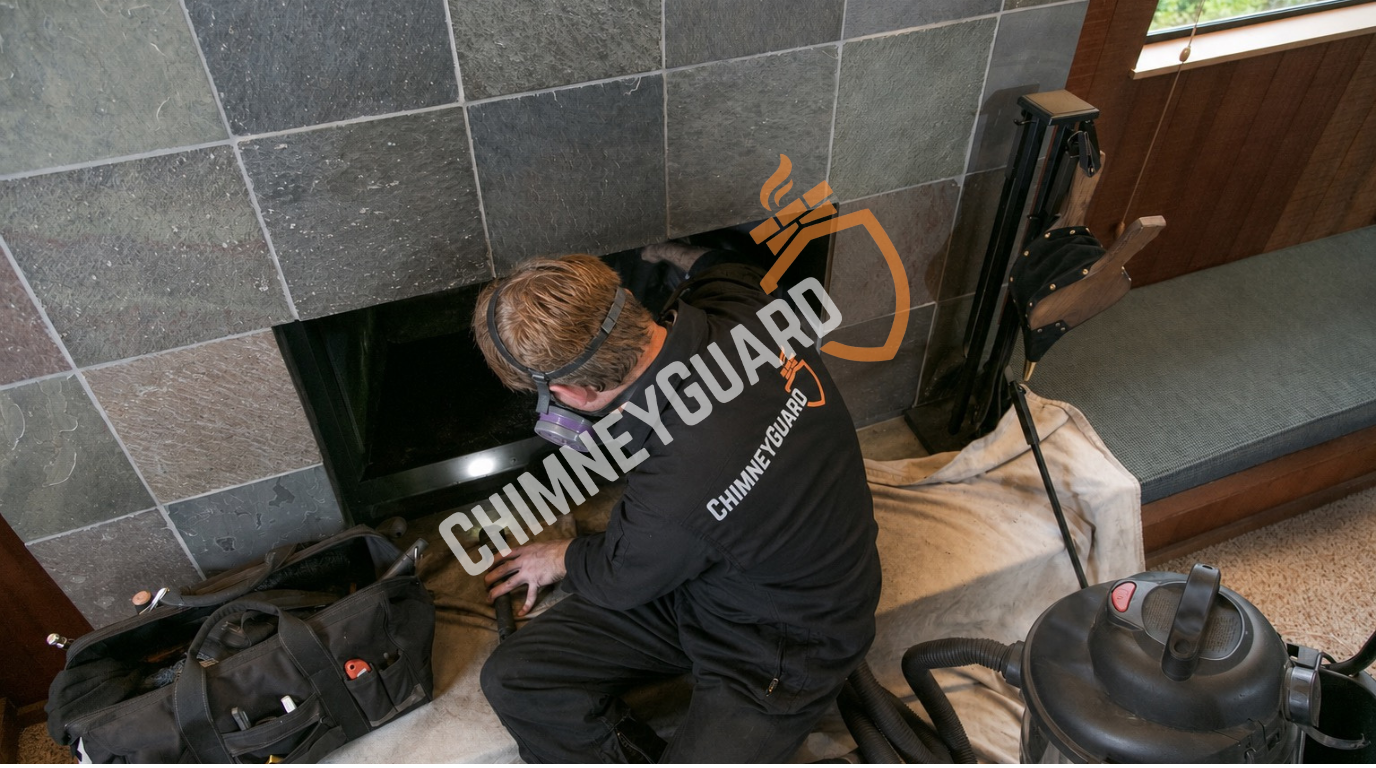
You can clean your chimney yourself, but it’s not without risk. You need the correct brush type for your flue liner, proper rods, tarps, and a shop vacuum to contain soot. Using the wrong tools can damage components or void liner warranties. You also face fall hazards on the roof. If you’re dealing with heavy creosote, blockages, or unknown flue conditions, you should hire a certified chimney sweep instead.
Does Burning Certain Types of Wood Create More Creosote Buildup?
Yes, certain wood conditions accelerate creosote buildup. Wet or unseasoned wood produces more smoke and moisture, which condenses as creosote inside your flue. Smoldering, low-temperature fires worsen the problem regardless of species. Resinous woods like pine and wet-burning species like poplar carry higher risk when you don’t maintain proper burn conditions. You’ll reduce creosote formation by burning well-seasoned wood at higher temperatures with adequate airflow.