
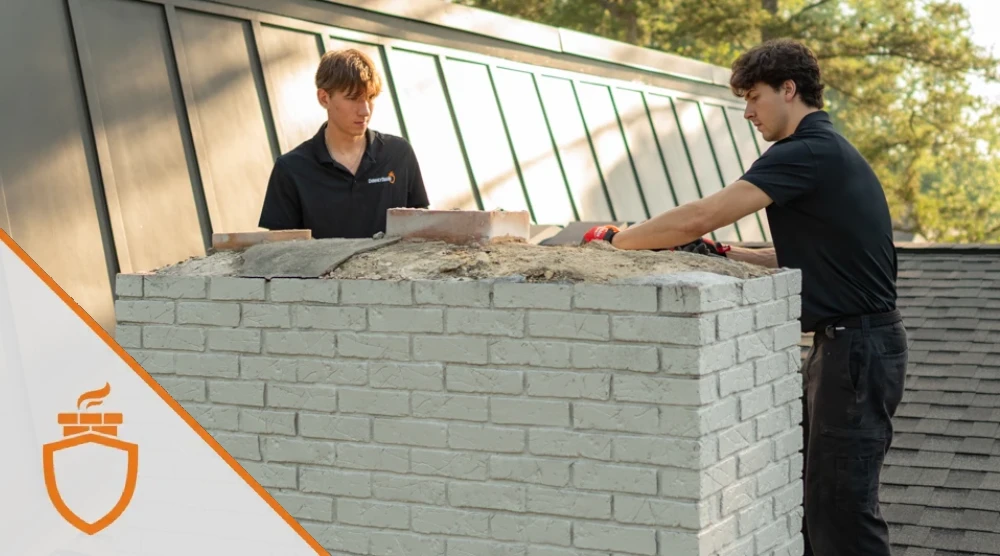
DIY chimney cleaning is possible with a basic brush kit, but you’re taking on real fall hazards and creosote exposure risks without proper safety equipment. You’ll also likely miss hidden flue damage that certified professionals detect during routine inspections. A professional sweep includes a thorough assessment with advanced tools like HEPA vacuums and power sweeping systems, not just surface brushing. Understanding the full safety and scope tradeoffs will help you make the right call. Homeowner’s chimney cleaning guide offers insightful tips and tricks that can help maintain your fireplace’s efficiency. Regular cleaning not only prevents hazards but also extends the life of your chimney system.
DIY Chimney Cleaning: What It Can and Can’t Do
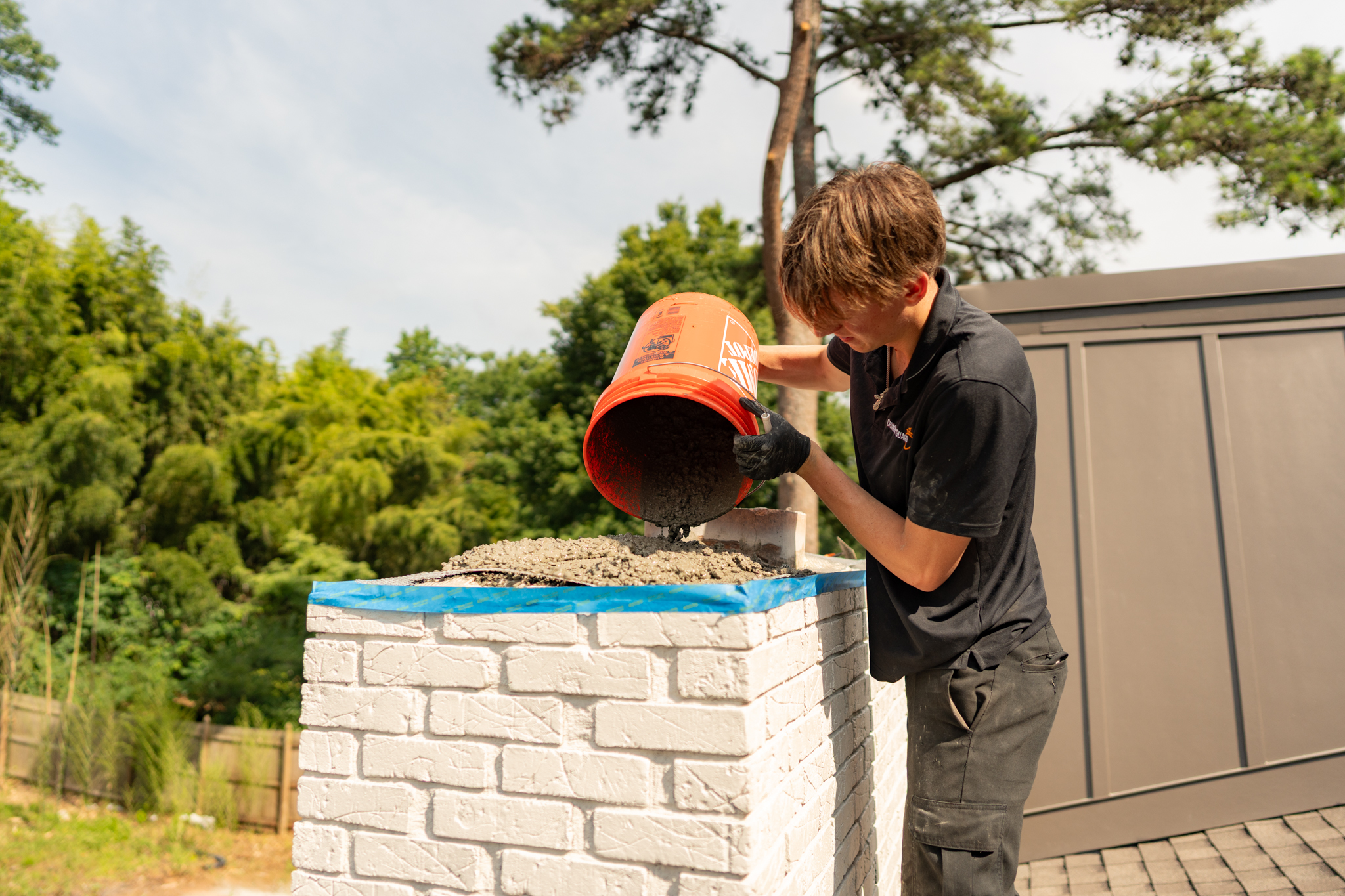
When you’re weighing chimney maintenance, DIY cleaning appeals to homeowners who want hands-on control. A basic brush and extension rods let you tackle light, routine soot between professional visits, and you’ll reuse the tools for years. Working on your own schedule also means no appointment delays.
Over time, basic maintenance knowledge has real value: you’ll recognize routine buildup earlier and make informed decisions about when professional service is necessary. This hands-on approach builds self-reliance in home care, giving you a deeper understanding of how your chimney functions.
However, this applies best to straightforward surface maintenance. DIY brushing removes what you can see, but it doesn’t assess the safety of the system. If you miss hidden damage or leave creosote behind, you can create the exact fire risk you were trying to prevent, which is where the limits of DIY become serious.
Safety Risks of Cleaning Your Chimney Yourself
When you climb onto your roof to access the chimney, you’re exposing yourself to serious fall risks. Ladder falls rank among the leading causes of accidental injuries and fatalities in the U.S., according to OSHA. Slippery or sloped roofs further heighten these hazards, and professional sweeps use safety gear and containment systems specifically designed to minimize these dangers. Once you begin brushing, disturbed soot and creosote release airborne carcinogenic compounds that can cause respiratory distress without proper respirator protection. Using inadequate tools also increases your chance of injury and leaves hardened creosote behind, creating the very chimney-fire hazard you’re trying to prevent.
Fall Hazards on Roofs
Climbing onto your roof to clean a chimney exposes you to serious fall hazards, risks that don’t diminish just because the task feels routine. OSHA documents fatal falls during chimney cleaning, and their standards don’t include a “short task” exception for fall protection. Any work at six feet or above requires guardrails, a personal fall-arrest system, or equivalent measures. In 2020 alone, falls from heights resulted in 161 fatalities and over 22,000 injuries in the U.S.
Roof surface and weather hazards compound the danger. Wet, icy, or debris-covered surfaces reduce traction quickly, and steep pitches limit stable footing. Carrying tools by hand, leaning, or repositioning for two-handed work increases your exposure further.
If you lack proper harnesses, secure anchorage, and non-slip footwear, this is a clear case of when to hire a chimney sweep instead of risking a preventable fall.
Creosote Exposure Dangers
Beyond fall hazards, chimney cleaning exposes you to creosote, a tar-like byproduct of wood combustion that accumulates inside flue walls and becomes airborne the moment you disturb it. Creosote exposure occurs through inhalation of particles and vapors, skin contact with residue, and eye contact with airborne dust. What is creosote can have significant health implications for those who regularly clean their chimneys. Understanding its effects is crucial for minimizing exposure and protecting yourself from potential respiratory issues.
Short-term effects include coughing, wheezing, shortness of breath, and chemical burns to skin and eyes. Long-term, repeated exposure worsens chronic respiratory conditions and triggers occupational asthma. Coal-tar creosote is classified as likely carcinogenic to humans, linked to cancers of the skin, lungs, and multiple organs.
A DIY chimney sweep typically lacks proper ventilation controls and PPE. CSIA-recommended practices emphasize professional-grade containment and protective equipment, safeguards that greatly reduce your direct contact with this hazardous substance.
Improper Equipment Injuries
Three distinct hazard categories, falls, equipment failure, and structural collapse, account for the most serious injuries during DIY chimney cleaning, and each one stems from using improper or poorly maintained gear. Faulty ladders, worn harnesses, and slick footwear directly increase fall risk, and OSHA fall safety standards exist precisely because rooftop work demands inspected, rated equipment.
Even if chimney cleaning logs work to reduce light creosote deposits, they don’t eliminate the need for manual brushing, which puts you on the roof with tools that must function correctly. Improper or worn equipment hazards compound quickly: a frayed rope or cracked ladder rung can fail without warning. Non-slip boots, fitted respirators, and structurally sound access points aren’t optional. Skipping any one creates exposure to broken bones, head trauma, or worse.
Why DIY Chimney Cleaning Misses Hidden Damage
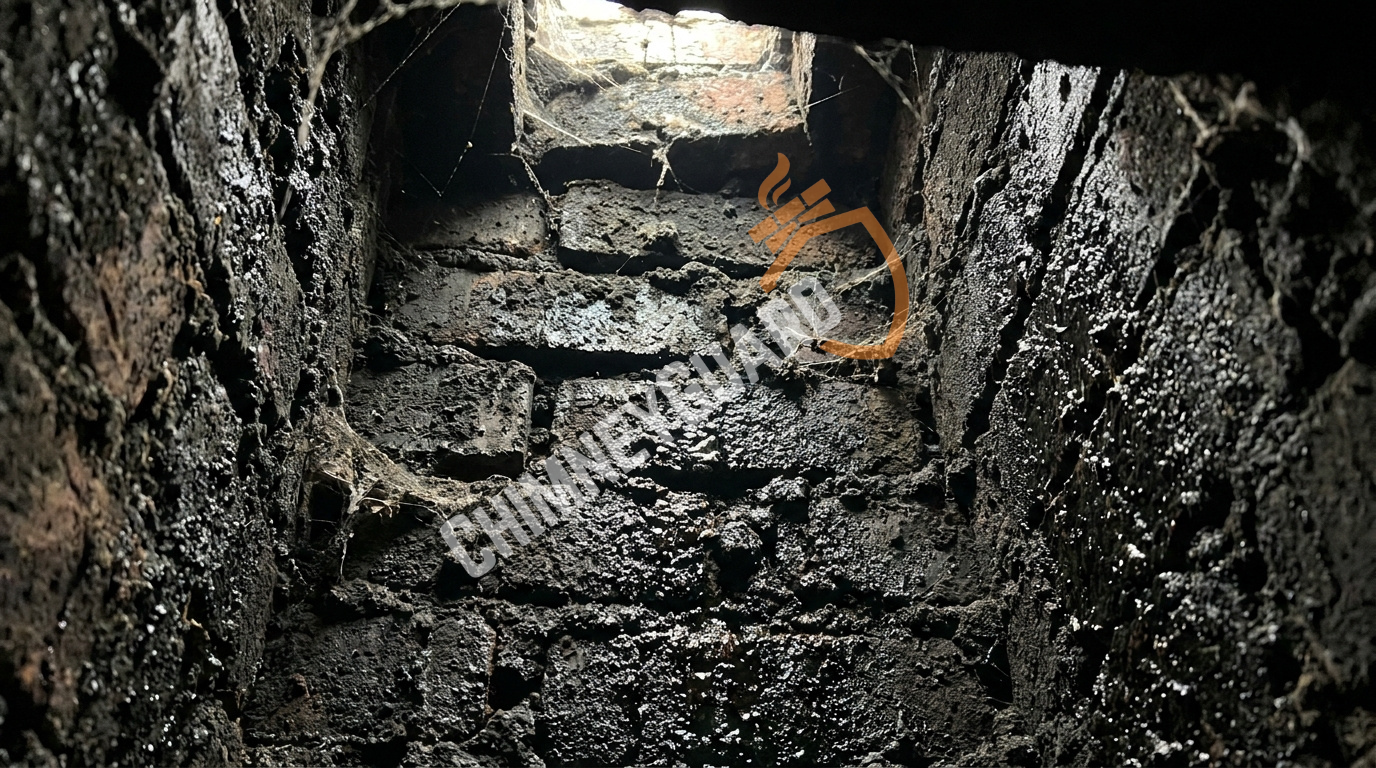
Even when a DIY chimney cleaning removes visible soot and debris, it won’t reveal the hidden flue damage that poses the greatest safety risks. If you’re wondering whether you can clean a chimney yourself, understand that surface brushing doesn’t expose cracked liners, deteriorating mortar joints, or concealed gaps within the flue system. Hardened creosote deposits often remain after DIY brushing, creating persistent fire hazards you can’t see.
Hidden damage creates dangers that surface cleaning can’t address:
- Cracked flue liners can allow flames and toxic gases to reach combustible walls
- Hardened creosote deposits resist standard brushes and remain ignitable
- Partial blockages restrict airflow and push carbon monoxide into living spaces
- Early-stage deterioration worsens silently, leading to major structural repairs later
What a Professional Chimney Sweep Actually Does
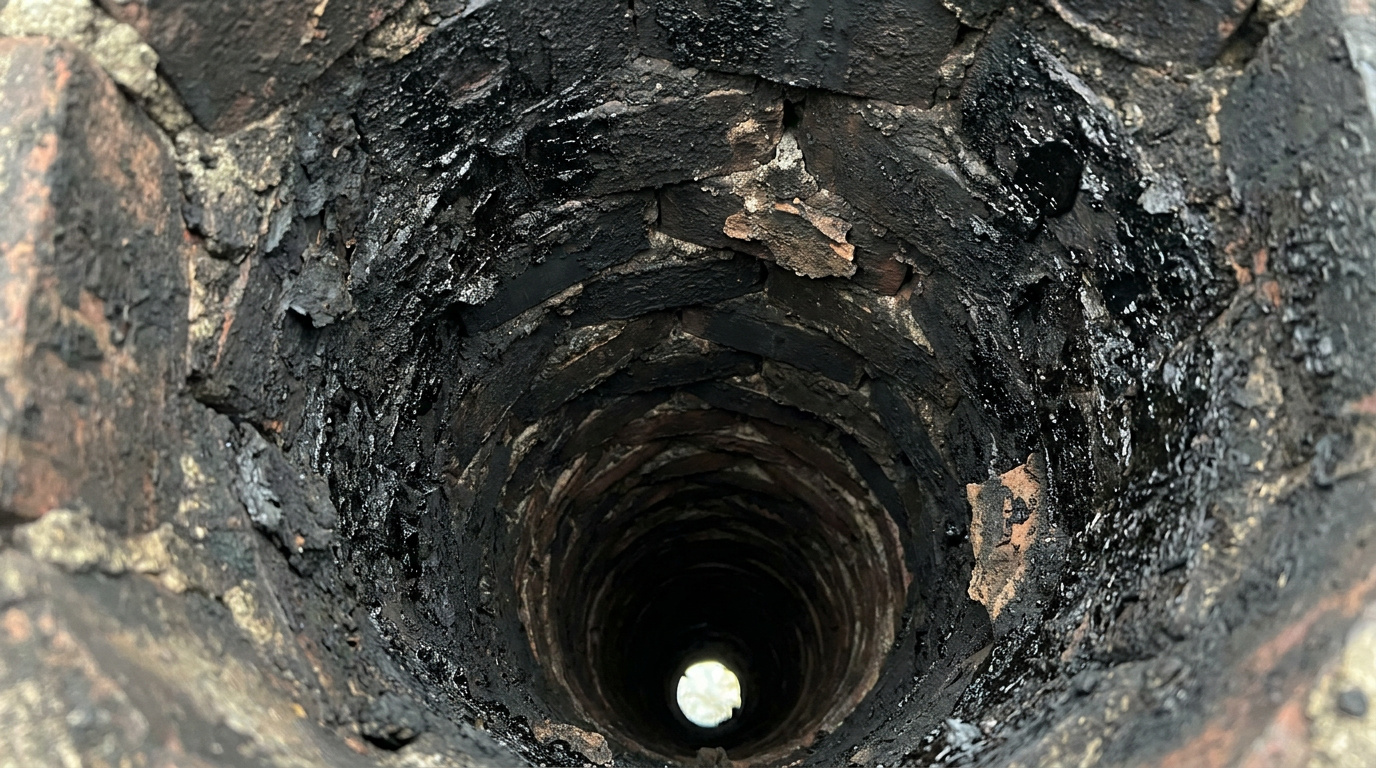
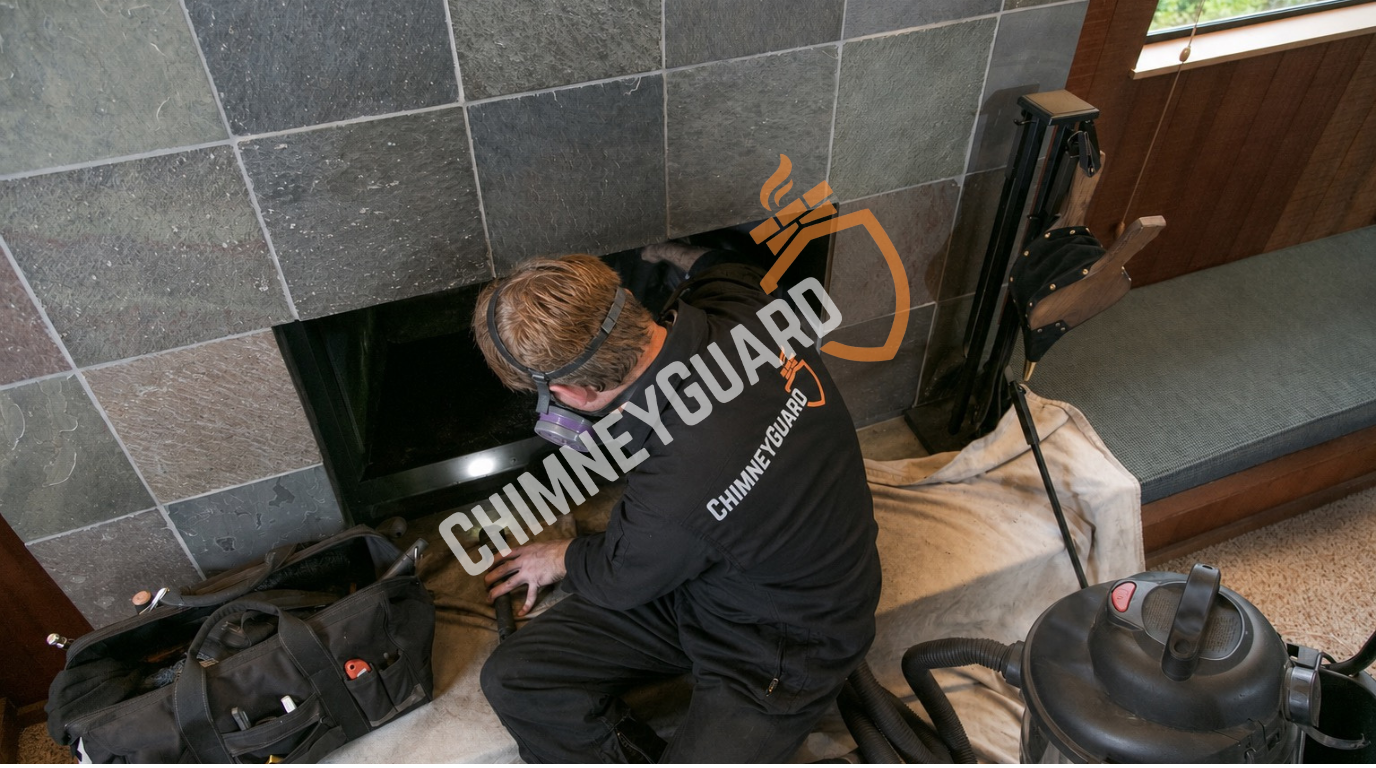
A certified chimney sweep does far more than brush out soot. They systematically clean, inspect, and evaluate your entire chimney system to confirm it’s safe for use. While a basic drill brush or chimney sweeping log handles surface-level buildup, professionals use power sweeping systems, HEPA vacuums, and cameras to remove advanced creosote and detect hidden damage.
They inspect gaskets, caps, liners, and the combustion chamber for cracks, leaks, and deterioration. A poly rod brush set paired with rotating heads reaches areas DIY tools can’t. After cleaning, they perform a final inspection, confirm safe operation, and flag issues requiring camera review. You receive certification, maintenance guidance, and confidence that your system won’t present fire or draft risks before next use.
Professional vs DIY: Comparing the Real Tradeoffs
The honest comparison between DIY and professional cleaning isn’t really about effort alone. It’s about scope, safety, and what each approach actually verifies. DIY supplies handle surface soot, but the full picture includes the safety gear you’d need, the time involved, and the risk you take on personally. A professional sweep gives you trained labor, thorough creosote removal, and a bundled inspection in a single visit.
What DIY Actually Requires
DIY chimney cleaning needs more than a single brush. Your kit depends on flue dimensions, chimney length, and the accessories your specific setup demands. Rectangular flues require precise measurements for proper brush sizing, and taller chimneys need multiple extension rods to reach the full flue length.
- Chimney brush: Match to your flue’s exact shape and dimensions for effective creosote removal
- Extension rods: Enough to reach your full flue length, since multiple poles are often necessary
- Drop cloths and debris protection: Prevent soot spread inside your living space
- Cleanup tools: A shop vacuum or sweeping supplies handle post-cleaning ash and particulate collection
Even with the right kit, brushing only addresses what you can reach, not the liner condition or hidden deterioration behind it.
What a Professional Visit Includes
A professional sweep is a bundled service, not just a cleaning. A standard visit pairs mechanical sweeping with a Level 1 inspection, so you get both creosote removal and a safety assessment in one appointment.
| Chimney Type | What’s Involved |
|---|---|
| Gas | Lighter buildup, focused on venting and draft checks |
| Masonry | Full flue sweep plus liner and mortar inspection |
| Prefabricated | Manufacturer-specific cleaning and component checks |
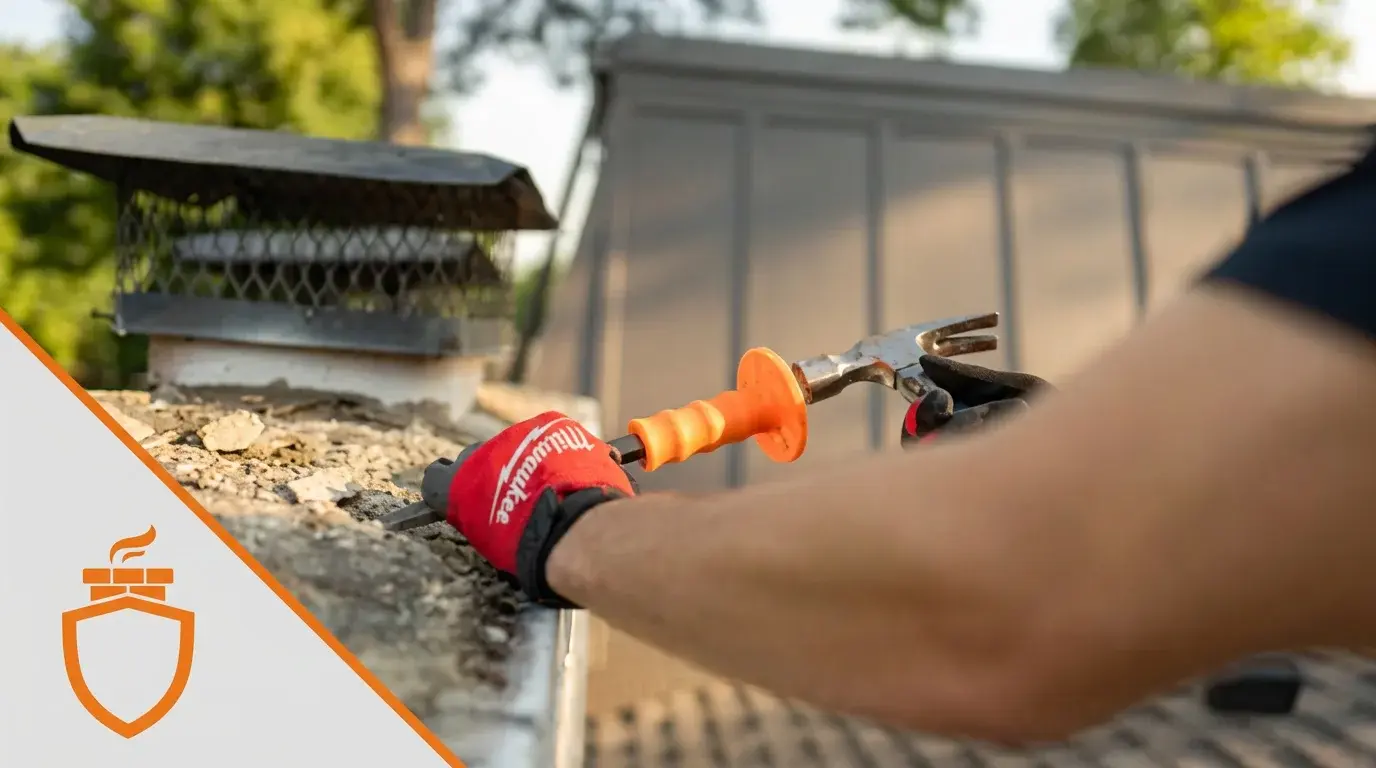
Steep roof pitch, a damaged flue liner, or heavy creosote can make the job more involved and may call for specialized removal. A certified sweep can also handle add-ons like chimney cap installation in the same visit. Before scheduling, confirm your sweep holds a current certification.
Weighing the Long-Term Tradeoffs
Knowing what a professional sweep covers per visit is only half the equation. You also need to weigh convenience against what DIY leaves unverified over time.
DIY tools are reusable, which is appealing for routine surface maintenance. But the tradeoff narrows once you account for what brushing alone can miss.
- Missed defects, since cracked liners, masonry deterioration, or flashing failures left undetected during DIY cleaning can escalate into major repairs.
- Incomplete creosote removal, since residual buildup increases chimney fire risk and potential property loss.
- Indirect effort, since roof prep, cleanup, soot disposal, and safety gear all add to the real burden of doing it yourself.
- Bundled inspection value, since professional visits include diagnostic assessment, catching problems before they compound.
DIY is most reasonable on simple chimneys with light buildup and easy access. Anything beyond that is where professional service clearly earns its place.
When You Should Always Hire a Chimney Pro
While routine DIY maintenance can handle light soot removal between service visits, certain situations demand a certified chimney professional with no exceptions.
Hire a pro when:
- Your chimney hasn’t had an annual inspection. DIY cleaning doesn’t replace a formal evaluation. Professionals detect flue cracks, masonry deterioration, and hidden blockages you’ll miss.
- You notice performance changes. Drafting problems, persistent odors, or repeated maintenance issues often signal internal damage that requires trained assessment.
- Heavy creosote or obstructions are present. Advanced buildup and blockages create fire hazards that standard DIY tools can’t safely address.
- You can’t verify a provider’s credentials. Always confirm CSIA certification and liability insurance before allowing anyone on your roof.
- Documentation matters. Professional inspections create accountability records that protect you during insurance claims or home sales.
Can a Dirty Chimney Actually Cause a Fire?
A dirty chimney isn’t just a maintenance inconvenience. It’s a documented fire hazard. Creosote, a flammable by-product of incomplete wood combustion, accumulates inside your flue over time. Even a small spark can ignite heavy deposits, and the EPA cites NFPA data showing dirty chimneys account for 30% of home heating fires.
Once ignited, a chimney fire can spread beyond the flue into your home’s structure before you even realize it’s burning.
- Creosote buildup ignites from heat inside the flue, potentially spreading fire to your attic and roof framing
- Flue blockages trap heat and smoke, intensifying ignition conditions
- Chimney fires can burn hidden behind walls, damaging mortar joints and flue tiles
- Strong creosote odor or visible black residue signals immediate cleaning is needed
DIY or Professional: A Quick Decision Checklist
Two key factors separate a safe DIY chimney task from one that demands a certified professional: the complexity of the work and your ability to manage the risks involved. Levels of chimney inspection can vary significantly depending on several factors, including the age of the chimney and the materials used in its construction. Regular inspections are essential to ensure that any potential hazards are identified early.
| Factor | DIY-Appropriate | Professional-Required |
|---|---|---|
| Task scope | Ash removal, cap-screen clearing, hearth cleaning | Full flue sweeping, smoke chamber cleaning, liner inspection |
| Access risk | Ground-level or easily reachable areas | Roof work, tall masonry stacks, confined spaces |
| Detection needs | Visible surface checks with a flashlight | Hidden liner damage, creosote glaze, drafting defects |
If your task falls entirely in the DIY column and you’ve got proper containment, PPE, and functioning CO alarms, you can proceed safely. Any overlap with the professional column means you should book a certified sweep.
Keep Your Chimney Clean and Safe Year-Round
Routine chimney cleaning protects your home from fire risk and keeps your fireplace running efficiently. At Chimney Guard serving the Greater Atlanta Area, our certified team provides trusted Chimney Sweep services with quality workmanship and certified expertise. Call +1 (770) 275-2500 today and book your appointment with confidence.
Frequently Asked Questions
How Often Should Chimney Caps and Spark Arrestors Be Inspected or Replaced?
You should inspect your chimney caps and spark arrestors at least once a year during routine chimney cleaning, though twice-yearly checks, before and after heating season, offer better protection. Replace spark arrestors every 5 to 10 years, or sooner if you spot rust, cracked mesh, or loose fasteners. Watch for warning signs like rattling, animal activity, water intrusion, or visible rust streaks, and schedule immediate inspection after storms or visible damage.
Do Chimney Sweeping Logs Actually Reduce Creosote Buildup Effectively?
Chimney sweeping logs can reduce light to moderate creosote by releasing chemicals that dry and loosen deposits, but they won’t fully clean your chimney. They can’t remove hardened, glazed third-stage creosote, the most dangerous form, or clear blockages like nests and debris. You should treat them strictly as a supplemental maintenance tool between professional cleanings, not a replacement for annual mechanical sweeping and inspection.
Can a Chimney Be Cleaned Safely From Inside the House?
Yes, you can clean your chimney from inside using a bottom-up brush-and-rod method that starts at the firebox and works upward. You’ll need to seal the fireplace opening with a damp sheet or plastic barrier to contain soot. Remove the damper plate for proper flue access, and use drop cloths to protect your floor. If you encounter heavy creosote or structural concerns, you should hire a certified chimney sweep instead.
What Certifications Should a Professional Chimney Sweep Have?
You should look for a CSIA Certified Chimney Sweep (CCS) at minimum. It’s the most widely recognized credential in the U.S. and requires passing an exam covering NFPA 211, venting safety, and inspection protocols. Additional credentials like CCP, CCR, or CCJ can supplement that baseline. Always verify the technician’s active certification card, expiration date, and proof of liability insurance before authorizing any work.
How Often Should a Chimney Be Professionally Swept?
For most wood-burning fireplaces, you should schedule a professional sweep and inspection at least once a year, typically before heating season begins. The NFPA recommends an annual inspection regardless of how often you use the fireplace, since animal nests, moisture damage, and deterioration can develop even in an idle chimney. If you burn frequently or notice a strong creosote odor, reduced draft, or smoke spilling into the room, you may need service sooner. Heavy or glazed creosote in particular calls for prompt professional attention rather than waiting for the next yearly visit.