
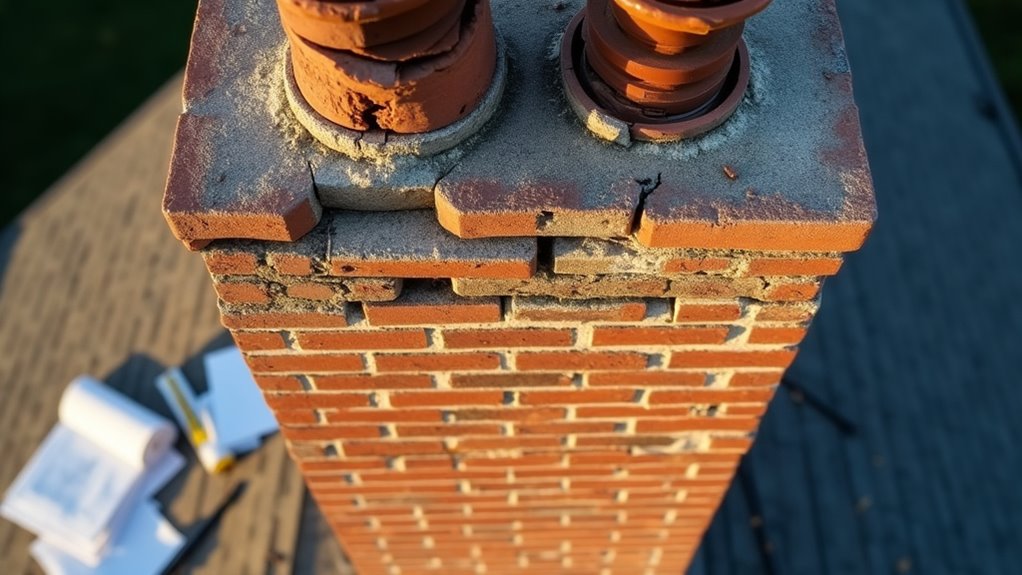
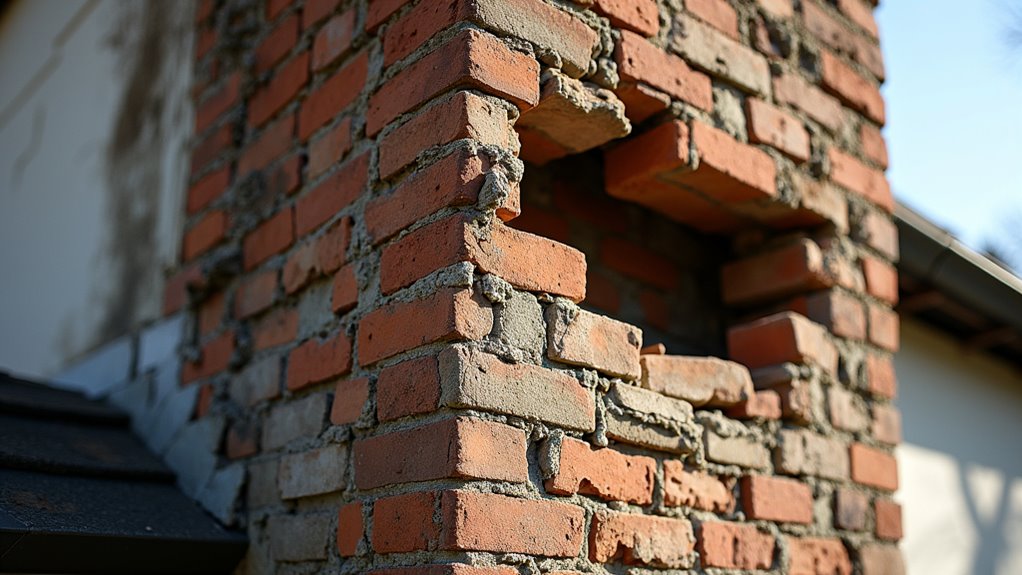
Stainless steel liners cost $900, $3,800 installed, suit wood, gas, oil, and coal, and meet UL-listed code requirements, making them the best all-around choice. Clay tile liners run $3,000, $7,000 but aren’t code-compliant for gas appliances producing liquid combustion byproducts. Cast-in-place liners match that price range while delivering 50+ years of service and 2,100°F heat resistance. Your local codes dictate approved materials, insulation, and installation specs. Below, you’ll find the details to match each option to your setup.
How to Choose the Right Chimney Liner for Your Home
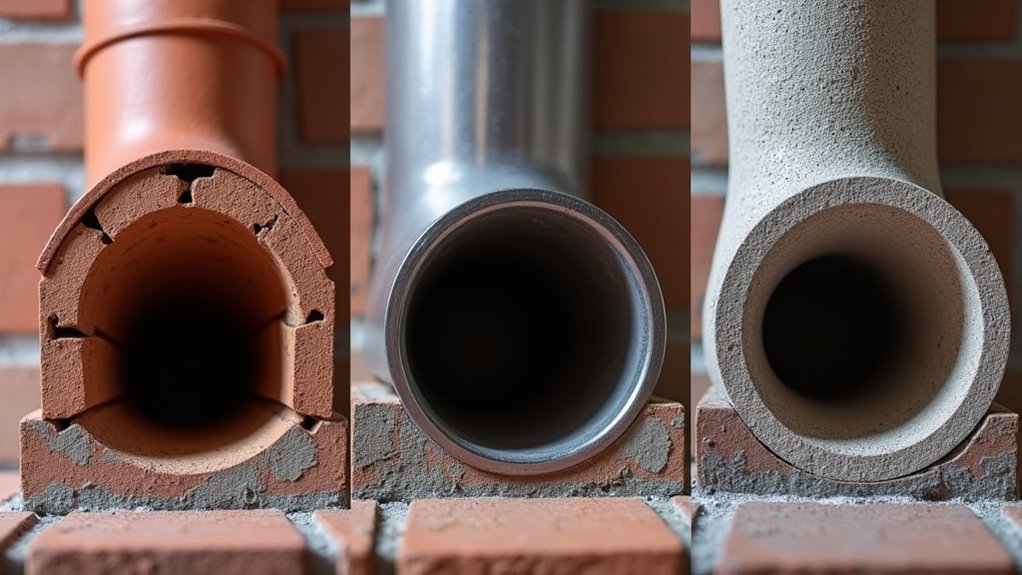
When you’re replacing a chimney liner, the right choice depends on your fuel type, budget, chimney condition, and how long you want the system to last. Understanding how to choose the right chimney liner for your home starts with matching the liner to your appliance. Clay tile suits wood-only setups, stainless steel handles wood or gas, and aluminum is restricted to gas appliances only.
If longevity matters most, cast-in-place liners exceed 50 years with minimal maintenance. For lower upfront chimney relining cost Atlanta homeowners often lean toward stainless steel, which runs $900 to $3,800 installed. Cast-in-place and clay options range from $2,000 to $7,000. Always verify code compliance with your specific heating system before committing. Before making a final decision, schedule a Level 2 chimney inspection, which typically costs $100 to $600 and includes cleaning to assess your chimney’s current condition.
Stainless Steel Liners: Best Fit for Most Homes
Stainless steel liners handle wood, gas, oil, and coal venting, giving you broad fuel compatibility that accommodates future appliance changes without requiring a full reline. With typical installed costs of $2,500, $4,000, they’re considerably less expensive than cast-in-place systems while still meeting UL-listed safety and code requirements. If you ever need to replace the liner again, flexible stainless steel systems are easier to remove and reinstall than permanent alternatives. With proper maintenance, stainless steel liners deliver a 15-20 year lifespan, making them a solid long-term investment for most homeowners.
Broad Fuel Compatibility
If you’re considering an appliance change down the road, an all-fuel stainless liner gives you flexibility without requiring a full relining. This versatility and compatibility makes stainless steel liners suitable for wood, gas, and other heating appliances across both residential and commercial settings. However, you’ll need to verify that your specific liner’s listing matches your appliance category. Selkirk, for example, excludes Category II, III, and IV gas appliances from its flexible liner approvals due to condensation risks. Always cross-reference the manufacturer’s installation instructions with local code requirements before finalizing your liner selection.
Lower Installed Cost
Beyond fuel compatibility, cost plays a major role in liner selection, and stainless steel consistently delivers the lowest total installed price for most replacement projects. While clay tile runs just $6, $15 per foot in material, it requires opening chimney walls for placement, driving labor costs sharply higher. Stainless steel installs in 4, 8 hours by dropping a flexible liner into the existing flue, no masonry reconstruction needed.
| Cost Factor | Stainless Steel | Clay Tile |
|---|---|---|
| Material per foot | $20, $50 | $6, $15 |
| Total installed cost | $1,200, $5,500 | Higher due to labor |
The stainless steel chimney liner cost reflects roughly 85% of professional relining jobs industry-wide. You’ll get code-compliant venting performance at a lower total project price without the invasive labor clay demands.
Easier Future Replacement
Because stainless steel liners function as removable components rather than structural masonry, they’re far simpler to replace when the next service interval arrives. A stainless steel liner uses standardized, modular parts that you can extract and swap without demolishing your chimney structure.
Key reasons a stainless steel liner offers easier future replacement:
- Modular fittings, tees, clamps, top plates, and caps detach with basic hand tools
- Flexible sections lower and withdraw through the flue without cutting masonry
- No bonded material to demolish, unlike cast-in-place systems cured to interior walls
- Clay tile removal often requires breaking out embedded tiles to access or resize the flue
- Partial component replacement lets you service damaged sections without disturbing the full assembly
You’ll save significant labor costs and downtime on every future relining project.
Clay Tile Liners: When Traditional Still Works
Clay tile liners remain a solid choice when your chimney is structurally sound, regularly inspected, and paired with the right appliance. They’re best suited for wood-burning and pellet-burning fireplaces, but you shouldn’t use them with gas appliances that produce liquid combustion byproducts. If your masonry chimney is well maintained and built for traditional solid-fuel use, clay tile can deliver decades of reliable, code-compliant performance.
Best Chimney Conditions
Traditional masonry chimneys built with sound mortar joints and properly assembled flue sections represent the one scenario where clay tile liners still perform reliably. The best chimney condition for clay tile liners is a well-built, intact masonry flue that doesn’t require structural repair.
You should confirm these conditions before retaining a clay tile system:
- Your chimney was properly constructed during original building
- Mortar joints remain intact without cracking or separation
- Flue sections show no signs of deterioration or displacement
- The chimney structure doesn’t need restoration beyond routine maintenance
- No previous chimney fire has compromised tile integrity
If your chimney meets these criteria, you won’t need a full system change. Once deterioration, cracking, or structural compromise enters the picture, clay tile loses its viability as a code-compliant option.
Compatible Appliance Types
The type of appliance connected to your chimney directly determines whether a clay tile liner remains a safe, code-compliant choice. Among compatible appliance types, traditional open wood-burning fireplaces with low use frequency present the strongest case for clay tile. These setups produce moderate flue temperatures and minimal creosote, keeping demands within clay’s performance range.
Clay tile becomes less defensible with modern wood stoves, inserts, pellet appliances, and gas systems. These appliances often require tighter flue sizing, better condensation handling, or specific venting configurations that clay can’t reliably deliver. Even when broad compatibility summaries list clay as acceptable for gas or oil appliances, manufacturer instructions and local code requirements frequently override that guidance. You should always verify appliance-specific venting specs before relying on an existing clay liner.
Cast-in-Place Liners: Maximum Durability at a Premium
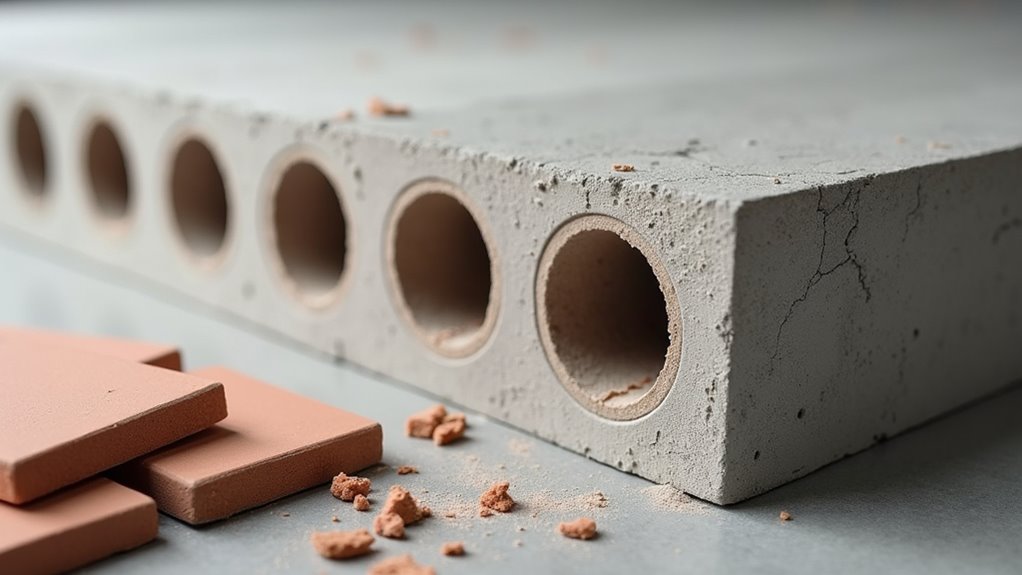
When maximum durability and structural reinforcement are both priorities, cast-in-place liners represent the premium tier of chimney-lining systems. A cast in place chimney liner is formed by pumping a cement-based material around a form inside your flue, creating a seamless, one-piece lining that strengthens weakened masonry.
Key performance characteristics include:
- Service life of approximately 50 years under proper maintenance
- Heat resistance up to 2,100°F, exceeding standard chimney fire temperatures
- Structural reinforcement for aging or deteriorated chimney walls
- Seamless construction that eliminates joint-related leak points
- Superior insulation that promotes cleaner burning and reduced creosote buildup
You’ll pay a premium, typically 20, 75% more than stainless steel systems, with total costs ranging from $3,000, $7,000 depending on chimney conditions.
Chimney Liner Costs: What to Expect by Type
Understanding liner performance is only half the equation, you also need to know what each system costs before committing to a replacement. When comparing chimney liner costs: what to expect by type, stainless steel installations typically run $900 to $3,800, while clay flue tile replacement ranges from $2,000 to $7,000.
The clay flue tile vs stainless cost gap widens further when you factor in removal. Extracting old clay adds $500 to $2,500, compared to $250 to $800 for steel. Labor adds another $500 to $1,500 regardless of material.
Material-only pricing reflects the difference clearly: stainless steel runs $20 to $90 per linear foot, while clay costs approximately $10 per square foot. High-end projects involving difficult chimney configurations or extensive repairs can push total costs to $7,000.
Which Liner Matches Your Fuel Type and Chimney?
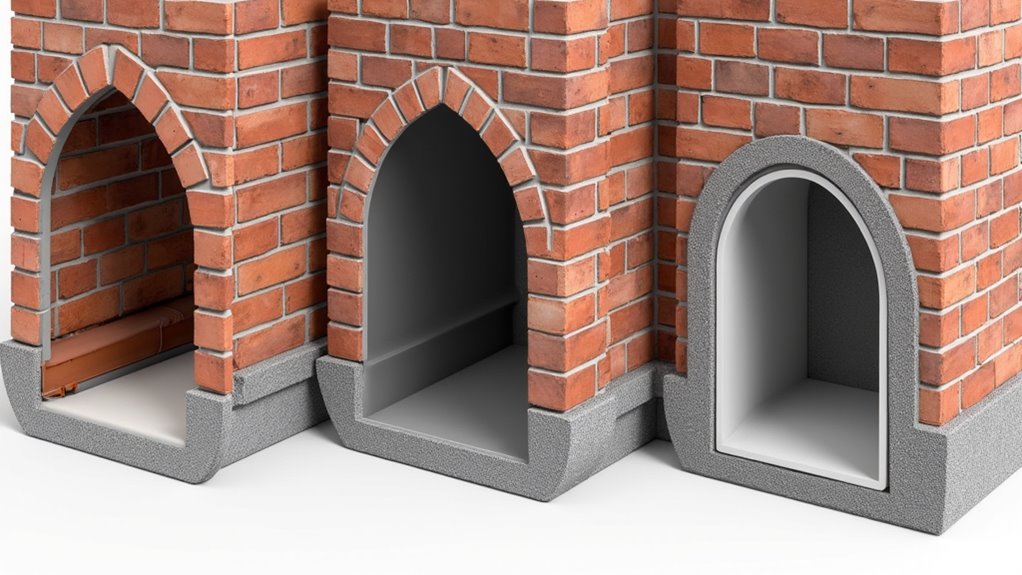
How well your new liner performs depends entirely on matching it to your fuel type and chimney configuration. During chimney liner replacement, verify these critical pairings:
- Stainless steel liners handle wood, pellet, gas, and oil appliances, the most versatile option available.
- Clay tile liners suit open fireplaces in sound masonry chimneys but aren’t code-compliant for modern stoves or inserts without additional lining.
- Cast-in-place liners work best when your chimney needs structural rehabilitation alongside relining.
- Aluminum liners are restricted to specific low-heat gas appliances, never use them for wood or pellet burning.
- Flexible stainless steel fits chimneys with offsets or bends, while rigid versions require straight flues.
Local codes dictate material, insulation, and installation requirements. Always match liner material to your appliance’s venting specifications before proceeding.
Restore Your Chimney With Trusted Local Experts
A damaged chimney can put your home and family at risk, but timely professional work can prevent costly issues down the road. At Chimney Guard serving the Greater Atlanta Area, our certified team provides reliable Chimney Repair with quality workmanship and honest pricing. Call +1 (770) 275-2500 today and book your appointment with confidence.
Frequently Asked Questions
How Do I Know if My Chimney Liner Needs Replacement?
You’ll notice signs like cracked or missing clay tiles, loose flakes in your firebox, smoke entering your living space, or persistent odors during use. Watch for water stains, rust on metal liners, or carbon monoxide alarms triggering. If you’re experiencing backdrafts or reduced heating efficiency, your liner’s likely compromised. Schedule a professional video inspection, it’s the only code-compliant way to accurately assess hidden flue damage and determine if replacement is necessary.
Can I Install a Chimney Liner Myself Without a Professional?
You can install a stainless steel liner kit yourself, but you shouldn’t assume it’ll meet code. Liner sizing, appliance compatibility, and termination details all affect compliance, and most jurisdictions require permits and inspections. DIY kits run $300, $800 for materials, while professional installation costs $1,500, $4,000 but includes proper sizing, code verification, and inspection coordination. For combustion safety and legal compliance, you’re better off hiring a qualified professional.
Does Homeowners Insurance Cover Chimney Liner Replacement Costs?
Your homeowners insurance typically covers chimney liner replacement only when a sudden, covered event, like a chimney fire, lightning strike, or storm damage, causes the failure. It won’t cover wear and tear, neglect, or gradual deterioration. Your dwelling coverage pays for restoring the liner to pre-loss condition, not upgrades. You’ll need to meet your deductible first. Document all damage with photos, inspection reports, and repair estimates to strengthen your claim.
How Long Does a Chimney Liner Installation Typically Take?
A straightforward chimney liner installation typically takes one day, often up to eight hours for a single, straight flue. If your chimney has multiple flues, offsets, or damaged masonry requiring repair, you’re looking at a multi-day project. Cast-in-place liners also extend the timeline due to curing requirements. You’ll want to factor in these variables when scheduling, since code-compliant installation shouldn’t be rushed at the expense of safety.
Do Chimney Liners Need Regular Inspection or Maintenance After Installation?
Yes, you’ll need annual inspection and maintenance after installation. Your liner still faces deterioration from heat, moisture, freeze-thaw cycles, and corrosive flue gases. You should have a professional check for cracks, rust, or holes that could allow heat transfer to combustible materials or carbon monoxide leakage. Regular cleaning removes creosote buildup that increases chimney fire risk. Prompt repair of minor damage helps you maintain code compliance and safe venting performance.