


If your chimney shows hairline cracks, minor mortar gaps, or isolated water stains, you’re likely looking at a targeted repair. But if you’re seeing visible leaning, widespread spalling, recurring leaks despite past fixes, or smoke escaping through mortar joints, that’s structural failure, and it means a rebuild. A professional Level 2 inspection will determine whether your masonry and flue system still meet safe operating standards. Understanding the key damage indicators below will help you make the right call.
Chimney Repair vs Rebuild: How to Decide
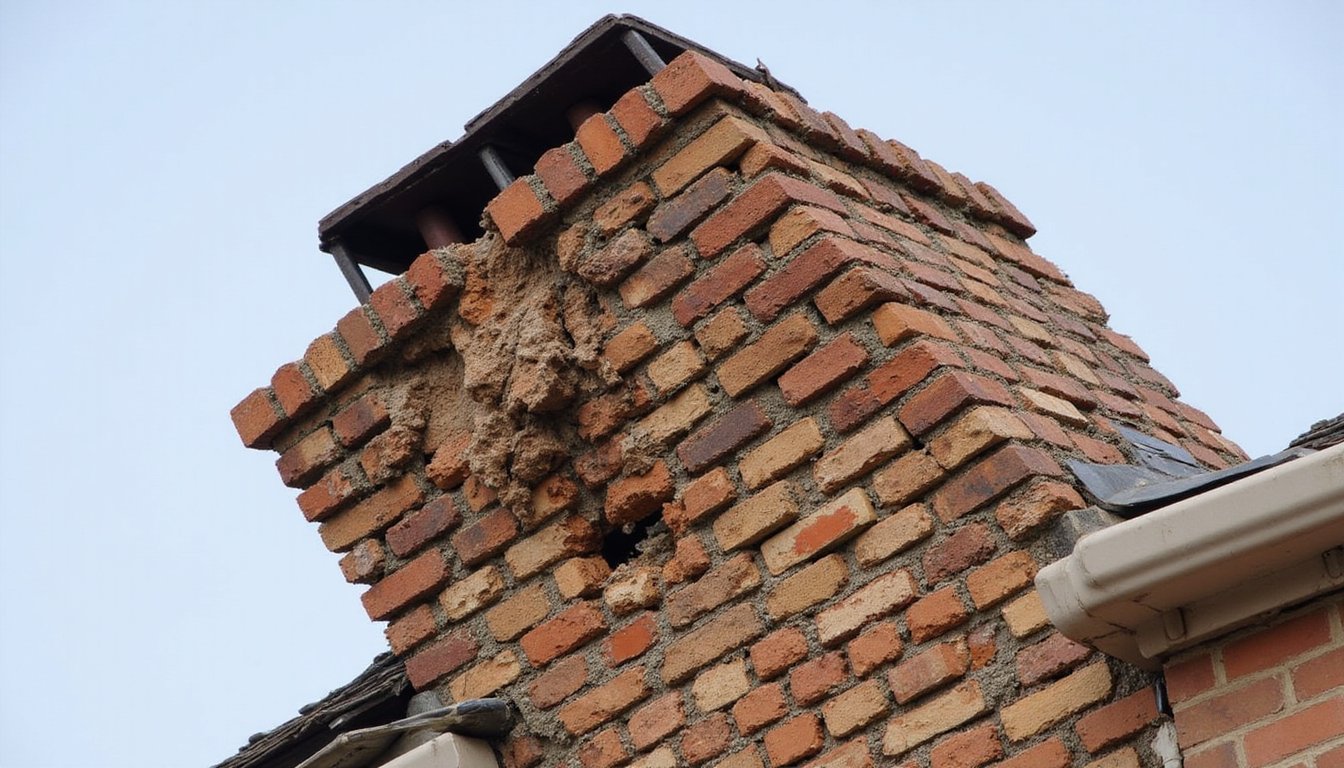
How do you know whether your chimney needs targeted repairs or a full rebuild? The answer depends on damage extent, structural stability, and code compliance. When weighing chimney repair vs rebuild, start with a professional inspection that evaluates both visible deterioration and hidden flue or structural problems.
If your chimney is plumb, structurally sound, and shows only localized mortar loss or minor brick damage, repair is likely sufficient. However, leaning, large structural cracks, extensive spalling, or repeated water intrusion despite prior fixes typically push the decision toward rebuild. Don’t let short-term cost savings override safety findings. A chimney that no longer meets current clearance or safety standards may require rebuilding regardless of its exterior appearance. Rebuilding costs can range from three thousand to ten thousand dollars or more, so understanding the true scope of damage upfront helps you plan accordingly.
Signs Your Chimney Only Needs a Repair
Not every chimney problem calls for demolition. Before searching for signs chimney needs rebuild, assess whether your damage is localized, stable, and traceable. Many issues fall squarely within repair territory when caught early.
- Hairline cracks or small mortar gaps, these typically indicate aging joints addressable through tuckpointing, not structural failure
- Water stains or rust on the damper, often traced to a failed cap, crown, or flashing detail that’s repairable at the source
- Smoke drafting issues or persistent odors, usually linked to blockages, creosote buildup, or damper malfunction correctable without rebuilding
- Minor firebox cracking or small flue tile debris, localized liner deterioration that’s often resolved with targeted relining per NFPA 211 standards
If there’s no leaning, widespread masonry loss, or active collapse, repair remains the appropriate path. Left unaddressed, even small cracks can worsen rapidly as freeze-thaw cycles force moisture deeper into the masonry.
When Chimney Damage Means a Full Rebuild
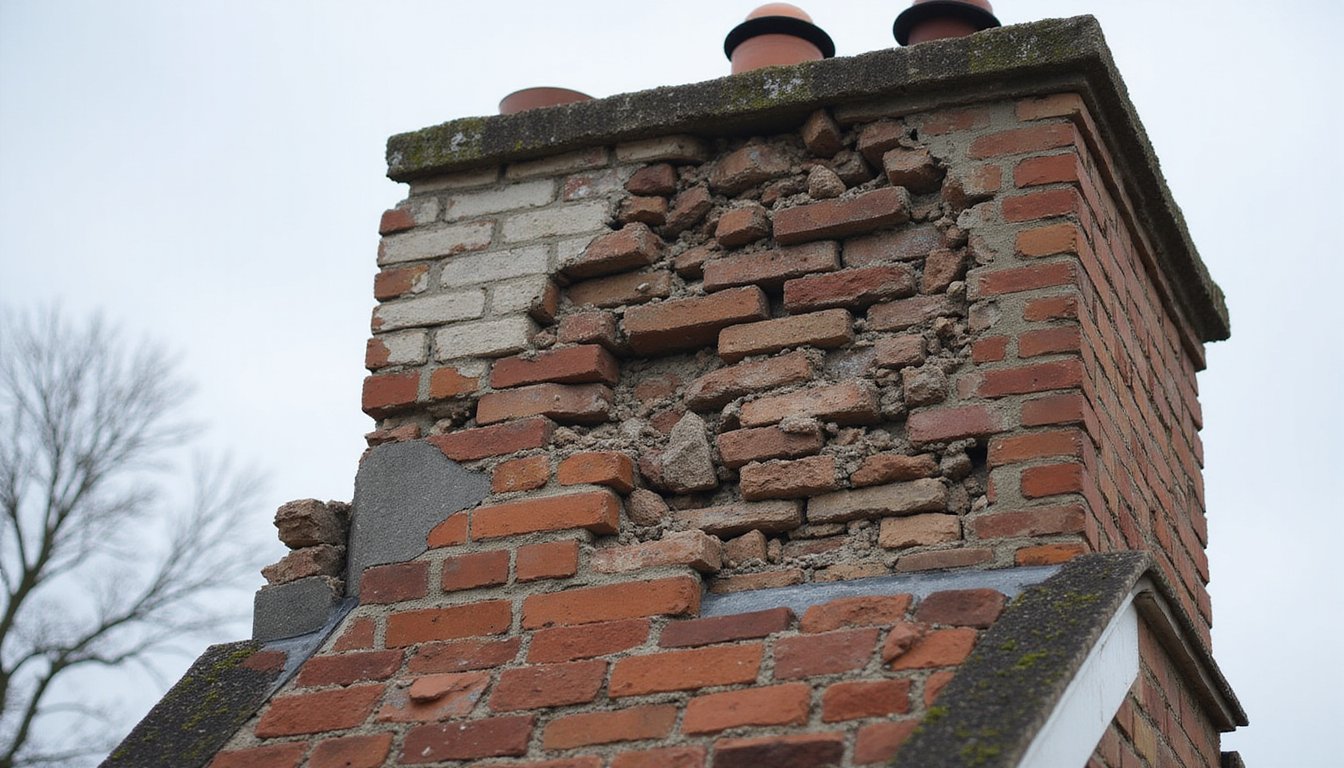
When does chimney damage cross the line from repairable to rebuild-required? You’re looking at structural failures that compromise the entire system, large vertical cracks, visible leaning, or separation from your home’s framing. These conditions indicate the masonry can’t safely support itself.
Knowing when to rebuild a chimney comes down to scope. If spalling, crumbling mortar, and cracked bricks span multiple sections, targeted repairs won’t restore structural integrity. Recurring leaks despite previous fixes, smoke entering your living space, or foundation settling beneath the stack all point to systemic failure.
Deep moisture intrusion, widespread efflorescence, and repeated inspection findings of instability confirm that patching has reached its limit. At this stage, rebuilding is the only code-compliant path to a safe, functional chimney. Left unaddressed, these failures can lead to dangerous outcomes like structural collapse or carbon monoxide leaks entering your home.
How Water Damage Changes the Decision
Water infiltration is one of the most common factors that shifts a chimney from repairable to rebuild-required. When moisture penetrates masonry, it accelerates deterioration through freeze-thaw cycling, weakening brick and mortar beyond what chimney masonry repair alone can address. You’ll need to assess whether water damage is isolated or systemic before committing to any repair scope.
Water damage is the tipping point, what starts as a simple repair can quickly become a full rebuild.
- Efflorescence or white residue on brick surfaces signals active moisture migration through the masonry.
- Rust on dampers or firebox components confirms prolonged water exposure inside the flue system.
- Cracked flue tiles from moisture intrusion create combustion gas pathways that violate safe operating conditions.
- Musty odors near the fireplace indicate mold growth requiring both moisture correction and remediation.
If water damage has compromised your liner integrity, localized fixes won’t restore code-compliant performance.
Partial Rebuild vs Full Rebuild: Which One Fits?
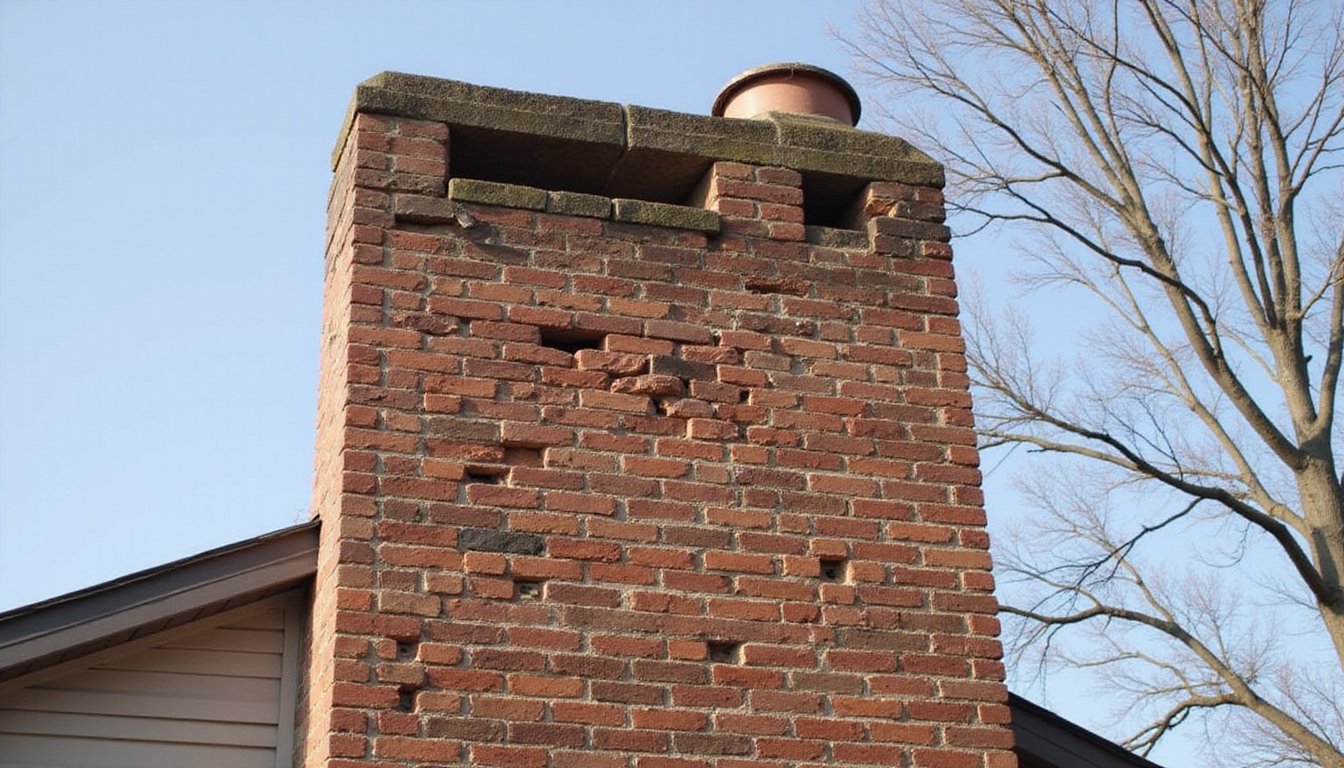
A full rebuild dismantles the entire chimney from foundation to cap. You’ll need this scope when you see leaning, separation from the house, large step cracks, or widespread spalling across multiple sections. Failed previous repairs also signal that full reconstruction is overdue.
Partial rebuilds typically take 2, 3 days; full rebuilds run 3, 5 days or longer. A professional inspection matches the correct scope to your chimney’s actual condition.
Can a Chimney Fire Make Repair Impossible?
Fire damage can make repair impossible once a chimney’s structural integrity fails beyond recoverable limits. When both the inner core and outer masonry show heat distress, chimney restoration through spot repairs won’t meet safety or code requirements. You’ll need a certified inspection using specialized cameras to assess flue and smoke-chamber damage before determining your next step.
When fire compromises both flue and masonry, spot repairs fall short, only a full certified inspection reveals what’s needed.
- Warped or collapsed flue tiles indicate the liner can’t contain heat or combustion gases safely
- Cracks through exterior masonry with misaligned brickwork signal structural displacement from intense heat exposure
- Smoke escaping through mortar joints confirms liner or masonry failure requiring rebuild-level intervention
- Distorted dampers, caps, or connector pipes point to temperatures that compromised multiple system components
Damage evaluation must cover the full system, from firebox to cap.
Why Older Chimneys Often Need More Than Repair
Because older chimneys deteriorate across multiple components simultaneously, spot repairs often can’t restore the system to a safe, code-compliant condition. You’ll frequently find mortar joint deterioration paired with cracked flue liners, failed flashing, and spalling brick, all compounding at once.
| Issue | Why Repair Falls Short |
|---|---|
| Unlined or damaged flues | Can’t meet current venting codes for modern appliances |
| Widespread mortar joint deterioration | Tuckpointing isolated areas won’t address systemic failure |
| Narrow historic flue dimensions | Standard round liners may not fit, requiring custom solutions |
| Repeated water intrusion | Multiple entry points indicate system-level breakdown |
When your chimney requires code compliance upgrades at every level, liner, crown, masonry, and flashing, you’re no longer repairing. You’re rebuilding incrementally at greater cumulative cost.
What a Chimney Inspection Actually Reveals
Before you can determine whether your chimney needs repair or a full rebuild, a professional inspection must evaluate the entire system, flue, firebox, masonry, cap, crown, and venting components, as interconnected parts rather than isolated elements. A chimney inspection identifies structural defects, ventilation failures, and fire hazards that direct the repair-or-rebuild decision.
- Level 1 inspections provide visual assessment of accessible components for obvious damage, buildup, or blockages.
- Level 2 inspections use camera systems to reveal hidden liner cracks, internal deterioration, and flue obstructions invisible from the exterior.
- Water-related damage, stains, moisture intrusion, crown cracking, signals ongoing failure that accelerates structural decline.
- Creosote accumulation and flue blockages create immediate fire and carbon monoxide risks requiring urgent intervention.
Widespread defects across multiple components typically indicate rebuild rather than spot repair.
Chimney Repair or Rebuild: Quick Decision Checklist
Not every chimney problem demands a full rebuild, but certain warning signs should shift your thinking from repair to replacement. Use the checklist below to compare indicators that favor localized repair against those that point to structural rebuild, so you can assess your chimney’s condition against current safety and code requirements. If multiple rebuild indicators apply to your situation, you’ll want a licensed professional’s assessment before proceeding with any work.
Signs Favoring Repair
When chimney damage remains localized and the structure stays plumb and stable, repair is typically the more cost-effective and appropriate response. You should consider repair when symptoms point to isolated deterioration rather than systemic failure. Leaning or separating chimney issues can escalate if not addressed promptly. Regular inspections can help identify these problems early, ensuring that repairs remain manageable.
- Deteriorated mortar joints that haven’t displaced bricks can be restored through tuckpointing, preventing moisture infiltration before it compromises structural integrity.
- Efflorescence, minor water stains, or damper rust typically indicate repairable moisture entry points, caps, crowns, flashing, or aging joints.
- Smoke backing into your home often stems from blockage, damper malfunction, or draft restriction that’s correctable without reconstruction.
- Isolated firebox or exterior cracks that don’t indicate foundation movement or structural shifting usually respond to targeted masonry or refractory repair.
Early intervention on these issues prevents escalation toward costlier rebuild scenarios.
Signs Favoring Rebuild
How do you know when repairs won’t cut it? When damage extends beyond isolated areas into systemic failure, rebuilding becomes the code-compliant path forward. A structural engineer should evaluate any chimney showing these conditions:
| Rebuild Indicator | Why It Matters |
|---|---|
| Chimney leaning or separating from the house | Confirms structural instability that tuckpointing cannot resolve |
| Widespread spalling, crumbling masonry, and mortar loss across multiple courses | Indicates the masonry system has failed beyond localized repair |
| Repeated crown or upper-stack failures after prior patching | Proves previous repairs couldn’t hold against ongoing deterioration |
Smoke backing into your home, cracked flue liners, and persistent water intrusion throughout the system compound these warnings. Don’t patch what needs rebuilding.
When To Call Pros
Exactly when should you pick up the phone? Call a chimney professional immediately when any safety-critical condition presents itself. Delayed response increases structural risk, fire hazard, and carbon monoxide exposure potential.
- Smoke enters the living space during fireplace operation, indicating ventilation failure or flue liner compromise that violates NFPA 211 venting requirements.
- The chimney leans, separates from the home, or shows visible structural instability, warranting emergency assessment before collapse risk escalates.
- Crown or flue liner cracks are visible, creating pathways for heat transfer to combustible materials and moisture intrusion into the masonry system.
- Water appears in the firebox, or brown stains develop on adjacent walls and ceilings, signaling active leaks that accelerate deterioration from within.
Don’t operate the fireplace until a qualified inspector confirms safe conditions.
Restore Your Chimney With Trusted Local Experts
A damaged chimney can put your home and family at risk, but timely professional work can prevent costly issues down the road. At Chimney Guard serving the Greater Atlanta Area, our certified team provides reliable Chimney Repair with quality workmanship and honest pricing. Call +1 (770) 275-2500 today and book your appointment with confidence.
Frequently Asked Questions
How Long Does a Chimney Rebuild Typically Take to Complete?
A full chimney rebuild typically takes three to five days for masonry work, plus additional cure time before you can safely use the system. If your project involves work below the roofline, structural failure, or complex demolition, you should expect the timeline to stretch to several weeks. Weather delays and permit inspections can also add time. You’ll want to schedule your rebuild during mild spring or fall conditions to minimize disruptions.
Can I Use My Fireplace While Waiting for Chimney Repairs?
You shouldn’t use your fireplace until a certified chimney professional inspects and clears it for operation. A damaged flue can leak carbon monoxide or flames into your home, and structural issues like leaning, cracking, or spalling can worsen under heat stress. Even minor-looking damage may hide deeper failures. The safest default is no fire use until repairs are complete and a qualified technician verifies the system’s safe for operation.
Does Homeowners Insurance Cover Chimney Repair or Rebuild Costs?
Homeowners insurance typically covers chimney repair or rebuild costs only when damage results from a sudden covered peril, such as a chimney fire, lightning strike, falling tree, or severe storm. Your policy won’t cover damage from normal wear, gradual deterioration, deferred maintenance, or construction defects. You’ll need to prove a covered event caused the damage, and you should expect a Level 2 inspection requirement. You’ll also pay your deductible before benefits apply.
Do I Need a Permit to Rebuild My Chimney in Atlanta?
Yes, you’ll almost certainly need a building permit for a chimney rebuild in Atlanta. The city requires permits for work that alters, repairs, or demolishes structural components, and chimney rebuilds fall squarely into that category.