


A Level II chimney inspection matters because ownership changes expose hidden defects that routine checks miss. NFPA 211 cites it as the standard for property sale or transfer. You get a video flue scan, verified clearances, and inspection of accessible attics, crawl spaces, and basements, plus a written report with photos. That documented evidence protects buyers and sellers, supports disclosure, and strengthens negotiation. Keep going to learn exactly when code requires one and how to schedule it.
Key Takeaways
- NFPA 211 identifies property sale or transfer as a primary trigger requiring a Level II chimney inspection.
- A video camera scan reveals hidden flue defects like cracks, gaps, and liner damage missed in routine checks.
- Buyers gain protection by exposing concealed chimney defects before signing, while sellers document condition to support disclosure.
- The written report with photos provides documented evidence that strengthens negotiation leverage on repairs, pricing, and closing.
- Level II offers greater inspection depth than Level I without the demolition required by Level III.
Why does a level 2 chimney inspection matter in a sale
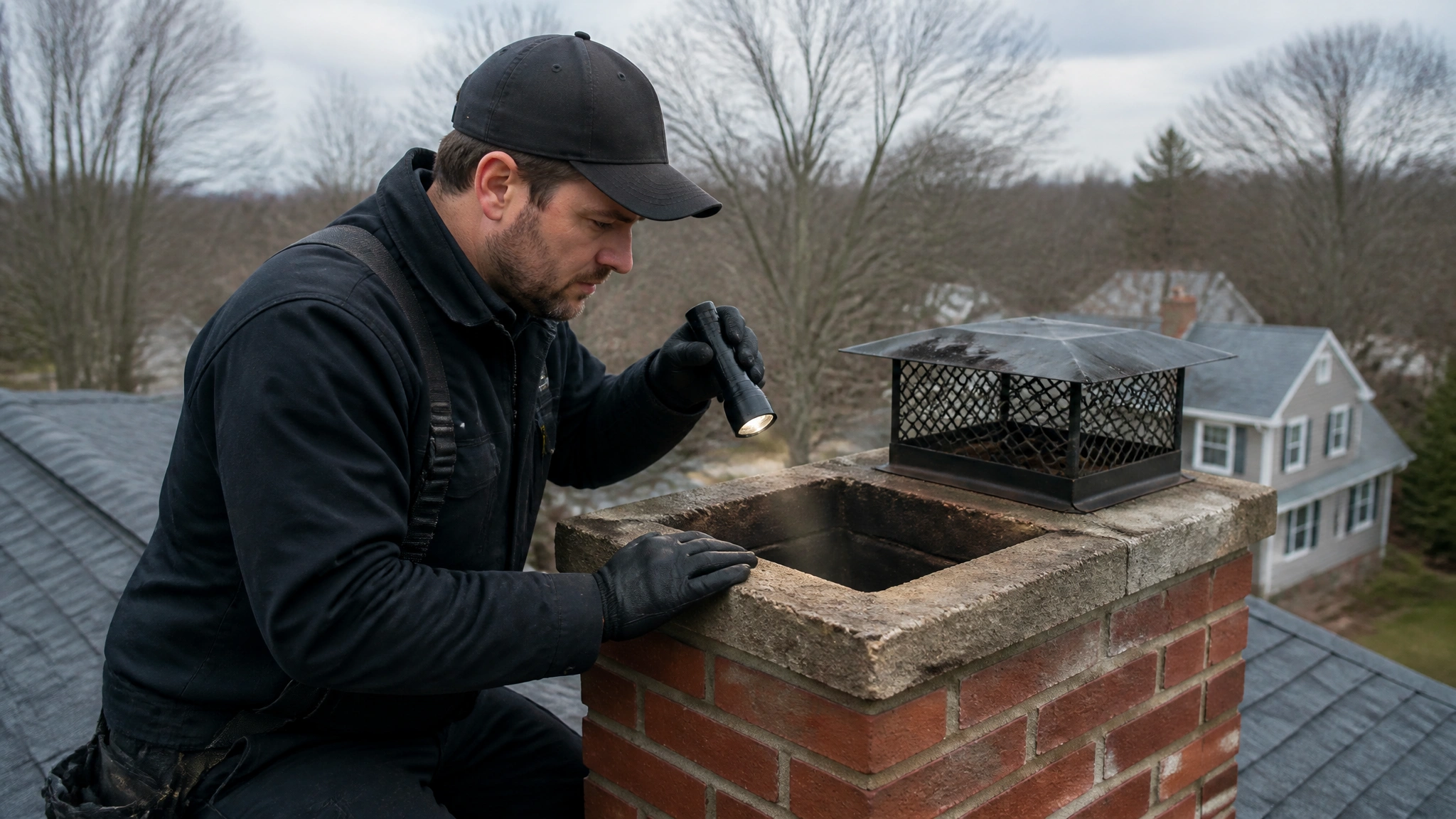
A Level II chimney inspection matters when a property changes hands because ownership changes can expose hidden defects that routine checks miss. NFPA 211 cites a level 2 chimney inspection as the standard when a property is sold or transferred. A level 2 inspection chimney evaluation goes beyond a Level I review, using video scanning to examine the flue interior, accessible attics, crawl spaces, and basements, plus clearances to combustibles. A level 2 fireplace inspection uncovers cracks, mortar joint failures, liner damage, obstructions, and water entry before closing. You gain a more complete picture of chimney condition, supporting safety, transparency, and disclosure. These findings directly affect repair requests, pricing, and closing decisions, protecting both buyers and sellers from unexpected liabilities.
When is a level 2 fireplace inspection required by code
A Level II fireplace inspection is required under code by several specific triggers. NFPA 211 identifies property sale or transfer as a primary trigger, so you’ll need one before closing. You also trigger a Level II inspection when you change fuel types or replace an appliance with a different model, since venting requirements shift. Damaging events, including chimney fires, building fires, storms, earthquakes, and similar impacts, demand inspection to confirm the system remains safe. Relining and major system modifications warrant it too, verifying that changes meet clearance and structural standards.
Each trigger reflects conditions that can compromise safe venting of smoke, heat, and toxic gases. When any apply, you shouldn’t rely on a routine Level I check. It won’t reveal hidden defects a Level II inspection uncovers.
What does the evaluation cover
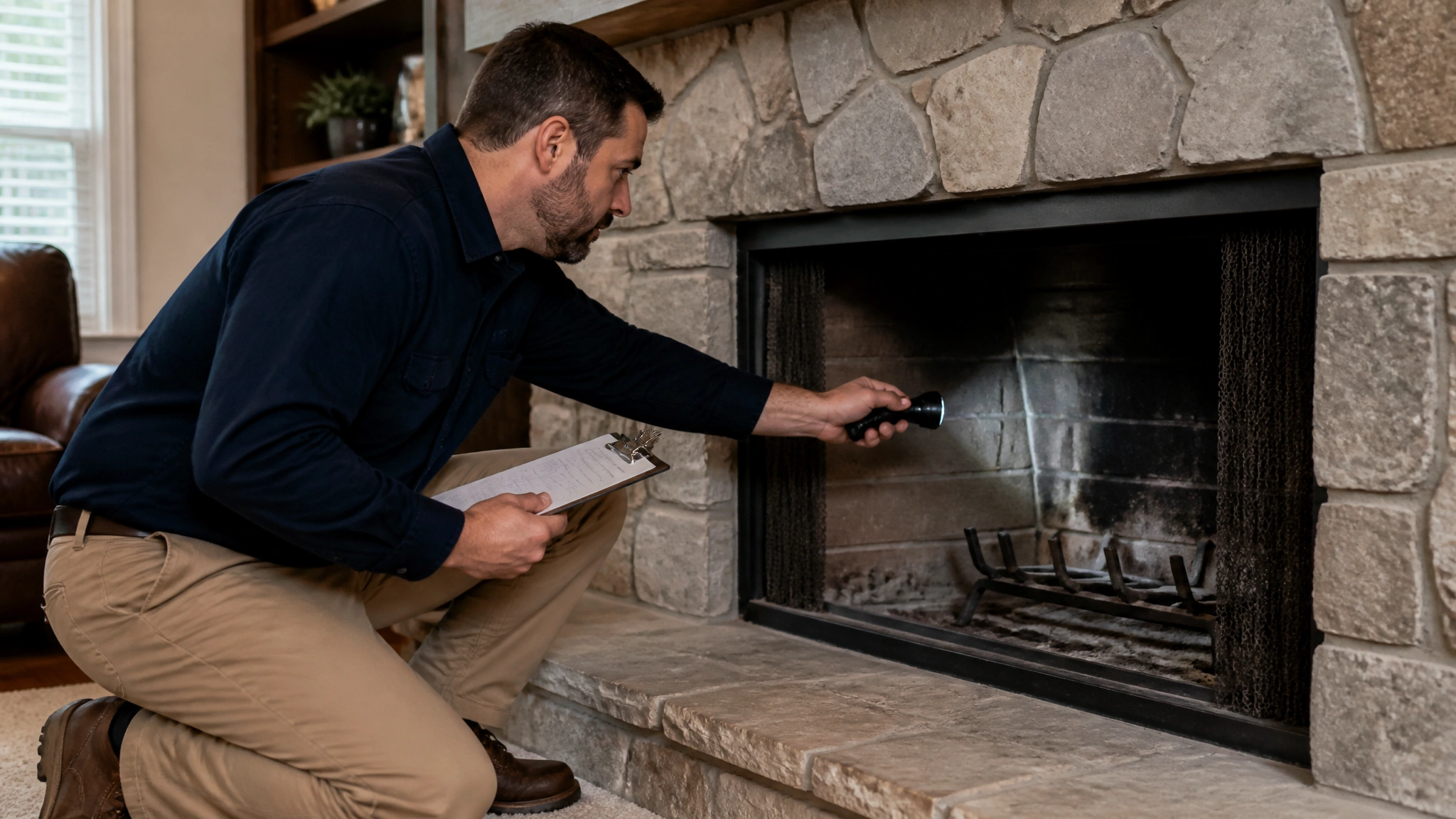
A Level II inspection covers your entire accessible chimney system inside and out. A technician runs a video camera through the flue, scanning the interior for cracks, gaps, mortar joint failures, and liner damage you can’t see from the firebox or roof. Accessible areas, including attics, crawl spaces, and basements, get examined for hidden defects and clearance violations. Exterior and interior components are evaluated, and clearances to combustibles are verified against safety standards.
You’ll also get documentation of obstructions, water entry indicators, staining, and any irregularities that signal deeper problems. When the inspection wraps, you receive a written report with photos and clear recommendations, giving you a precise, evidence-based understanding of your chimney’s true condition before transfer.
What separates the three levels in scope
Accessibility and the extent of physical intrusion separate the three inspection levels. A Level I inspection covers readily accessible areas during routine service with no configuration changes. A Level II inspection expands into attics, crawl spaces, and basements, adding video scanning of the flue interior. A Level III inspection goes further, requiring removal of components to reach concealed areas when serious hazards are suspected.
| Level | Scope | Trigger |
|---|---|---|
| I | Accessible areas only | Routine maintenance |
| II | Accessible plus video flue scan | Sale, fuel change, damage |
| III | Concealed areas, component removal | Suspected serious hazard |
When you’re buying or selling, Level II delivers the depth you need without demolition.
How does it protect a buyer
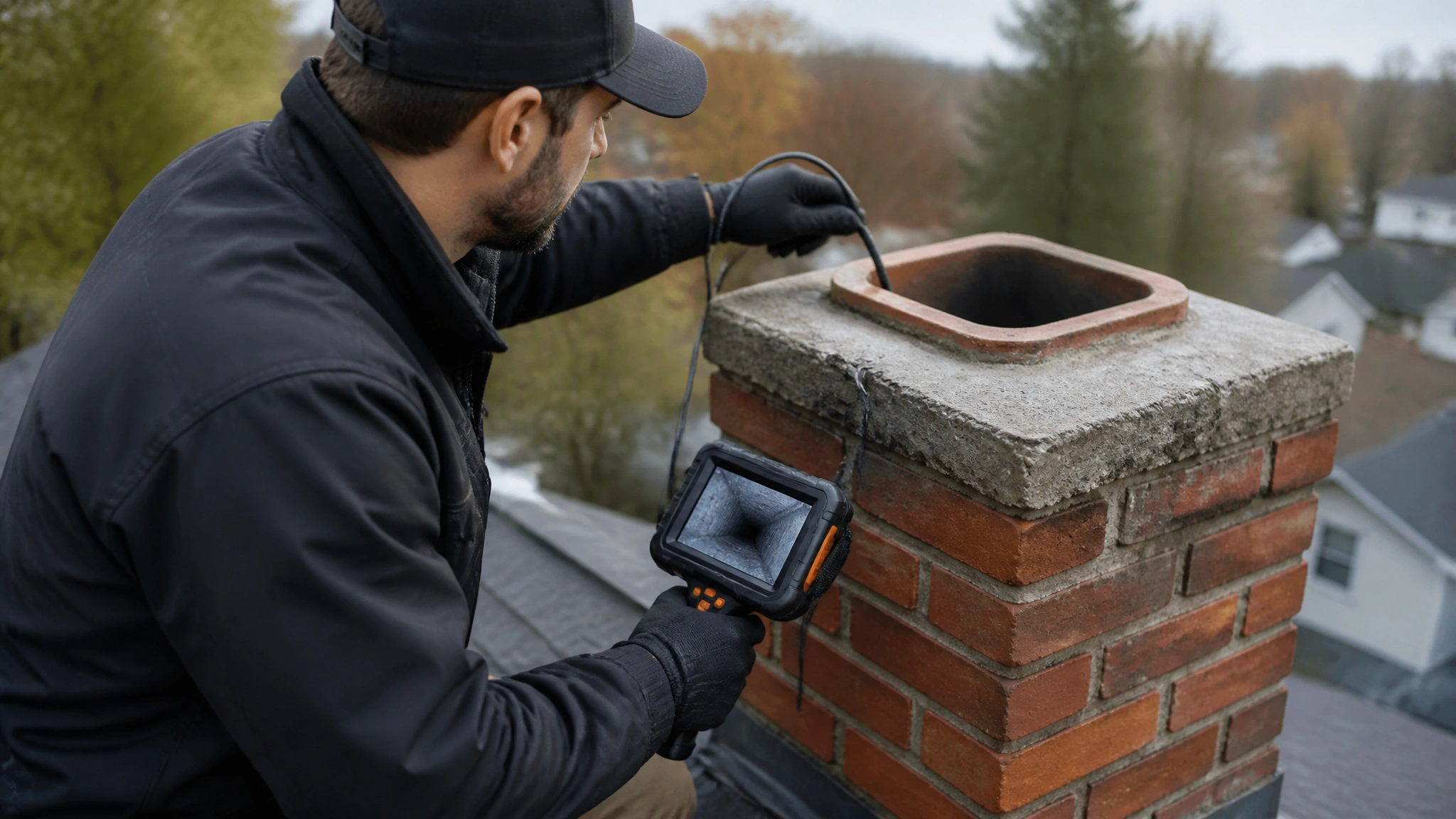
A Level II inspection protects a buyer by exposing hidden chimney defects before you sign. A video scan of the flue reveals cracks, mortar joint failures, and obstructions that surface examinations miss. You gain documented evidence of the chimney’s true condition, letting you act before closing rather than after costly surprises.
A video scan of the flue reveals what surface examinations miss, giving you documented evidence before you sign.
- Safety verification, Confirms smoke, heat, and toxic gases vent properly, protecting your household.
- Defect discovery, Identifies liner damage, structural weakness, and water intrusion before transfer.
- Negotiation leverage, Supports repair requests, price adjustments, or contract changes backed by photos.
- Liability clarity, Documents whether the system’s serviceable or needs further evaluation.
You’re not guessing about near-term repair costs. You’re deciding with precise, inspection-grade information in hand.
How does it protect a seller
A Level II inspection protects you as a seller by documenting your chimney’s condition before buyers ever raise questions. You get a written report with photos and recommendations that supports full disclosure, reducing your liability for undisclosed defects. When you identify cracks, liner damage, obstructions, or clearance violations early, you can plan repairs on your schedule instead of scrambling during closing. That predictability prevents last-minute delays that derail negotiations. A clear report also builds buyer confidence, since video scanning verifies flue integrity that routine checks can’t confirm. Completing this inspection aligns with commonly cited NFPA 211 guidance for property transfer, demonstrating you’ve met accepted safety standards. You control the narrative, address issues proactively, and protect your transaction from surprise repair demands.
Which leverage does a level 2 chimney inspection give you
A Level II inspection gives you documented evidence, which is where your negotiating power comes from. It uses video scanning to reveal flue cracks, liner damage, mortar joint failures, and hidden obstructions that routine checks miss. When you hold a written report with photos and specific findings, you’re negotiating from facts, not assumptions.
Here’s the leverage this gives you:
- Repair requests backed by documented defects, not vague suspicions.
- Price adjustments justified by verified structural or venting problems.
- Closing terms that account for safety issues involving smoke, heat, and toxic gas.
- Contract conditions requiring further evaluation or completed repairs before transfer.
You control the conversation when you know the chimney’s true condition. That knowledge protects your money and your safety.
How do you book an inspector before the deadline
Book an inspector the moment you go under contract, since qualified inspectors book out quickly during peak season and you need the inspection done before your contract deadline expires. Confirm the technician performs a full Level II inspection, including video scanning of the flue interior and evaluation of accessible attics, crawl spaces, and basements. Verify credentials and ask for a written report with photos and recommendations, since that documentation drives your negotiations. Communicate your closing timeline clearly so the inspector prioritizes your appointment and delivers findings before your contingency window closes. Build in buffer days for follow-up evaluation if the camera reveals cracks, liner damage, or obstructions. Booking early protects your leverage and keeps safety-critical decisions on schedule.
Protect the Sale With a Clear Chimney Report
Hidden liner cracks, obstructions, and clearance problems can affect repair negotiations, closing costs, and the safety of the home. Chimney Guard USA provides Level II chimney inspections with a detailed evaluation of the flue and accessible chimney components, helping buyers and sellers understand the system’s condition before closing. Schedule early enough to review the findings and address any needed repairs before your inspection deadline. Call (770) 275-2500 to book your Level II chimney inspection.
Frequently Asked Questions
How Much Does a Level II Chimney Inspection Typically Cost?
You’ll typically pay between $100 and $500 for a Level II chimney inspection, though costs vary by region, chimney accessibility, and system complexity. Video flue scanning, multiple flues, or difficult access can push you toward the higher end. Always make sure what’s included, written reports, photos, and camera documentation should be standard. Don’t choose on price alone; verify the inspector’s certification to ensure you’re getting an accurate, safety-focused evaluation before closing.
How Long Does a Level II Chimney Inspection Take to Complete?
You’ll typically need about one to two hours for a Level II chimney inspection. The technician runs a video scan of the flue interior, examines accessible areas like attics, crawl spaces, and basements, and checks clearances to combustibles. Larger systems, difficult access, or additional flues can extend that timeframe. You’ll receive a written report with photos and recommendations afterward, documenting any cracks, obstructions, liner damage, or water-entry indicators found.
Who Pays for the Inspection, the Buyer or Seller?
Either party can pay, it’s negotiable and depends on your purchase agreement. As a buyer, you’ll often cover the Level II inspection since you’re verifying the chimney’s condition before closing. As a seller, you might pay to document defects upfront, supporting disclosure and preventing last-minute delays. You can also negotiate cost-sharing or use findings to adjust pricing. Clarify responsibility in your contract so you’re protected and there aren’t surprises.
Do I Need to Be Present During the Inspection?
You don’t have to be present, but it’s recommended. Being there lets you observe the video flue scan, ask questions about clearances or liner damage, and review findings in real time. If you can’t attend, you’ll still receive a written report with photos and recommendations documenting cracks, obstructions, or water entry. Your presence improves transparency and helps you understand safety issues affecting smoke, heat, and toxic gas venting.
How Long Is a Level II Inspection Report Valid?
Your Level II inspection report doesn’t carry a fixed expiration date, but you should treat it as a current snapshot of the chimney’s condition. For real-estate transactions, you’ll want a report completed close to the transfer date, typically within the sale window. If a chimney fire, storm, seismic event, or fuel-type change occurs afterward, that report’s no longer reliable, and you’ll need a fresh Level II inspection to confirm safety.