


Match the method to your damage severity. If you’re facing exterior surface wear, staining, or cosmetic aging without structural movement, refacing or resurfacing restores your outer layer, expect $500 to $3,000. When mortar deterioration stays below 33% and cracks don’t run through brick units, surface work’s enough. But leaning, separation, cracking through brick, or failed liners demand full reconstruction, running $1,500 to $10,000+. Misdiagnosing your damage worsens costs and safety risks, so let’s break down each method below.
Key Takeaways
- Match your method to damage severity: cosmetic wear needs refacing or resurfacing, while structural failure requires full reconstruction.
- Refacing renews only the outer surface, fixing staining and cosmetic aging without rebuilding load-bearing elements or failed liners.
- Resurfacing suffices when structure stays sound and mortar deterioration falls well below the 33% rebuild threshold.
- Reconstruction is necessary when the chimney leans, separates, cracks through brick units, or has a failed flue liner.
- Compare costs: repair runs $500 to $2,500, resurfacing $500 to $3,000, and reconstruction $1,500 to $10,000+ for deep structural damage.
Which chimney restoration method does your chimney need
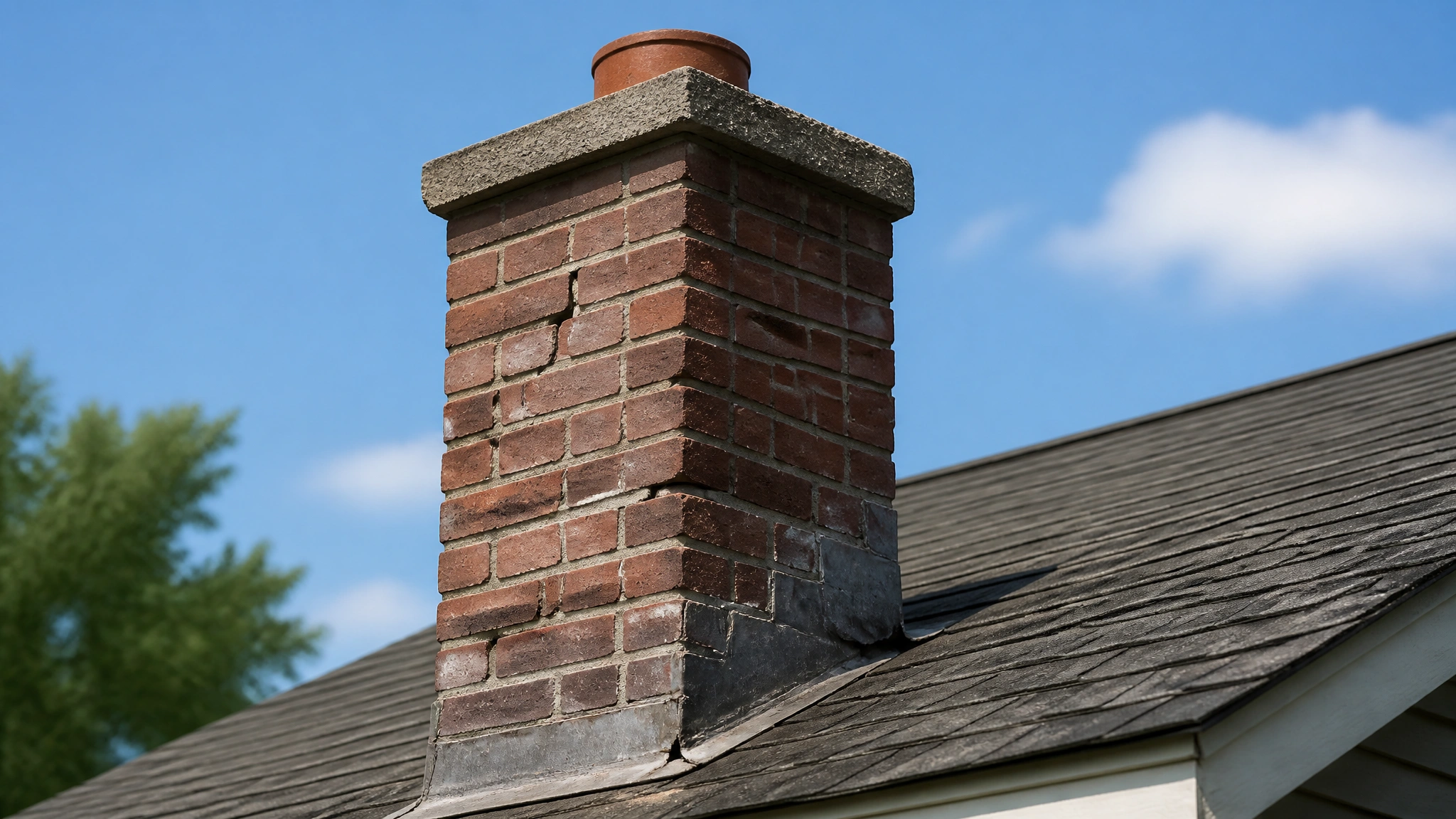
Your chimney needs the restoration method that matches the severity of its damage. Start with an honest assessment of your chimney’s condition. Look closely at the exterior, mortar joints, brick units, flue liner, and overall structural alignment. If you’re seeing surface wear, staining, or minor cosmetic deterioration while the underlying masonry stays sound, chimney refacing or chimney resurfacing will restore appearance without full demolition. When you find open mortar joints, isolated spalled brick, or cap and flashing failures, targeted repair through tuckpointing typically corrects the problem. However, if damage exceeds roughly 33% of the mortar surface, cracks run through the brick, or you notice leaning, separation, or failed liner conditions, chimney reconstruction becomes necessary. Match the severity of damage to the appropriate method.
What does refacing actually change
Refacing restores the outer layer of your chimney without replacing the underlying structure. It targets the visible exterior surface, correcting wear, staining, and cosmetic aging while leaving the sound masonry beneath intact. You’re renewing appearance, not rebuilding load-bearing elements.
This chimney restoration approach works only when your structure remains serviceable. Refacing won’t correct leaning, structural cracking through brick units, or failed flue liners. Those demand reconstruction. Instead, it addresses surface deterioration and delivers localized patching after you’ve made the structure sound.
Expect refacing to change how your chimney looks and how well its exterior resists further weathering, not its fundamental structural integrity.
When is resurfacing enough
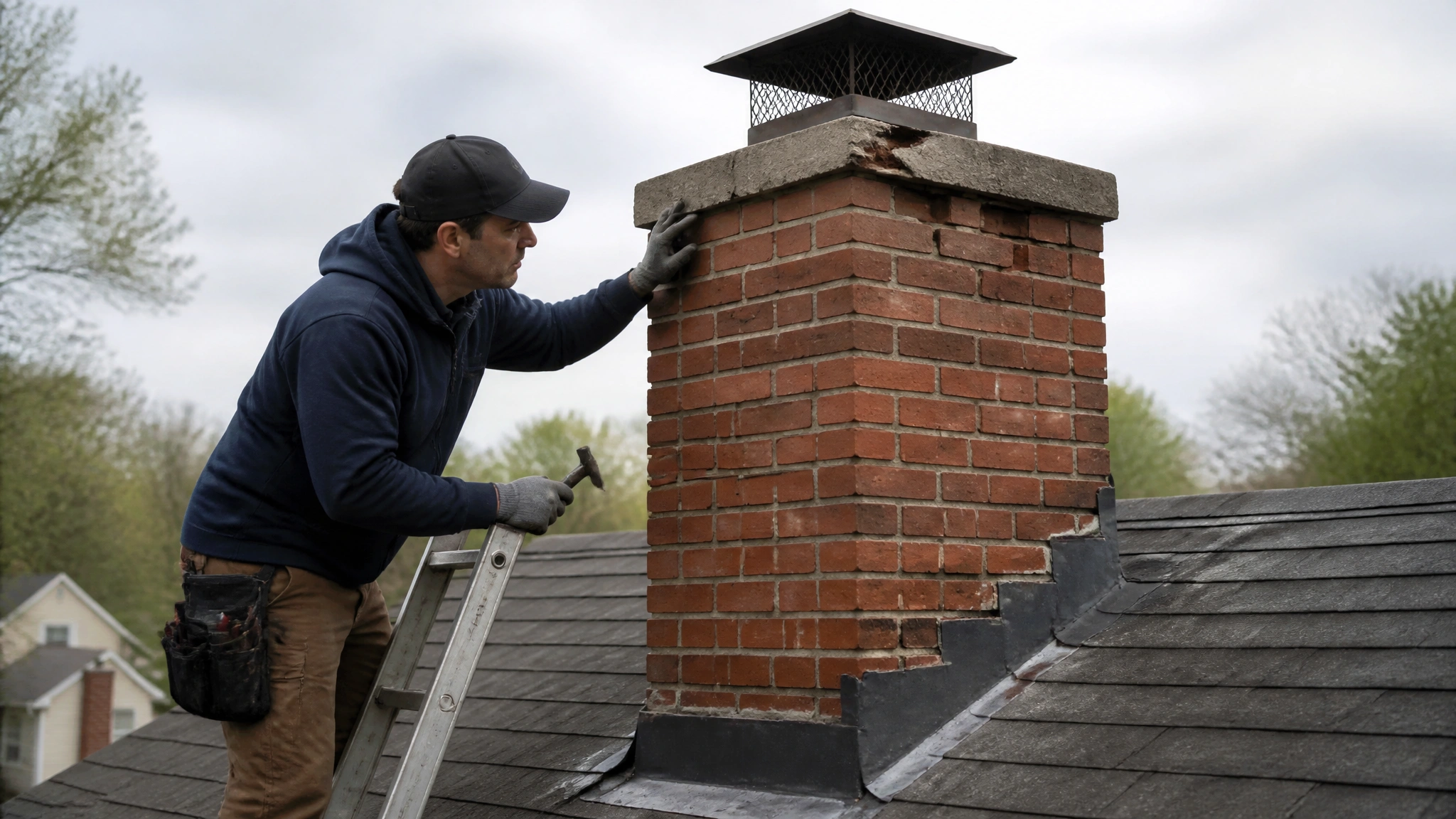
Resurfacing is enough when your chimney shows surface wear, staining, or aging without structural movement. You confirm the underlying structure remains serviceable before committing to any cosmetic work. The masonry must stay fundamentally sound, with damage limited to the visible exterior.
Check that mortar deterioration falls well below the 33% threshold that triggers rebuilding, and that no cracks run through the brick units themselves. If you’ve already stabilized the structure through repointing or targeted repair, resurfacing handles the remaining aesthetic restoration.
You’ll also favor resurfacing when cost containment matters and you want an exterior refresh without full demolition. At roughly $500 to $3,000, it delivers renewed appearance while preserving the intact structure beneath.
How do the three methods compare on cost
The three methods differ most sharply on cost, with ranges that reflect the scope of work each demands. You’ll pay the least for targeted intervention and the most for structural reconstruction, with resurfacing sitting in between.
| Method | Typical Cost | Scope |
|---|---|---|
| Repair/repointing | $500 to $2,500 | Isolated defects |
| Resurfacing/refacing | $500 to $3,000 | Exterior restoration |
| Reconstruction/rebuild | $1,500 to $10,000+ | Structural rebuild |
Repointing and resurfacing keep your upfront costs low, but don’t ignore long-term math. Repeated repairs accumulate, and if you’re patching the same failing structure year after year, you’ll eventually spend more than a single rebuild would’ve cost. When structural damage runs deep, reconstruction’s higher initial price often proves more cost-effective, since it resolves the underlying problem instead of postponing it.
What does full chimney reconstruction involve
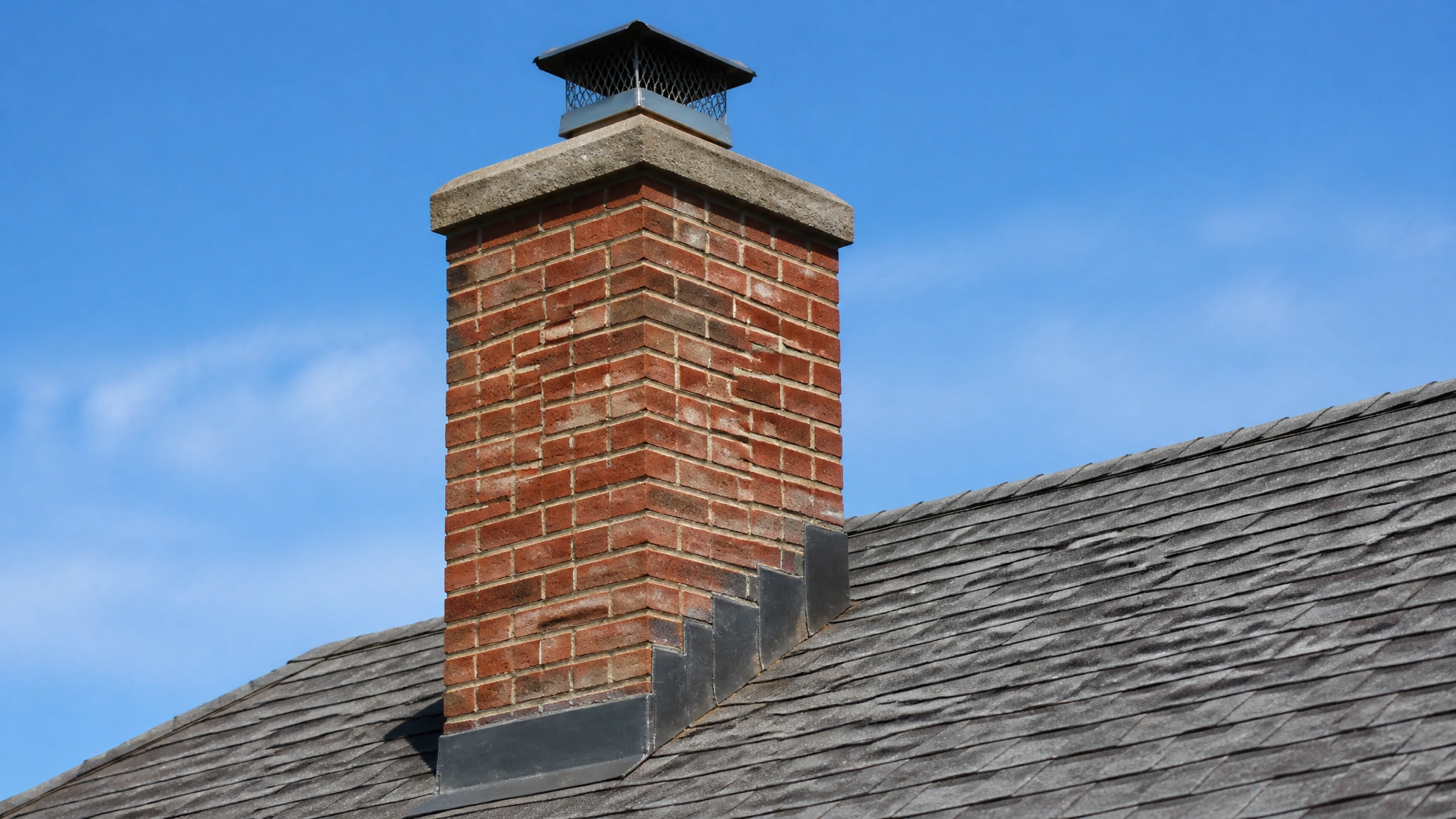
Full chimney reconstruction involves removing the existing masonry entirely, then rebuilding with new brick, mortar, crown, cap, flashing, and liner. A full rebuild reconstructs the chimney from the base upward, or from foundation level when the underlying support has failed. Full reconstruction becomes necessary when your chimney’s structural integrity is too compromised for repair or resurfacing to hold. You’re dealing with a full rebuild when damage extends through the brick units themselves, when the chimney leans or separates from the house, or when a flue liner fails beyond relining. This is the most extensive and costly option, typically ranging from $3,000 to $10,000 or more. Choose it when widespread cracking, instability, or repeated failed repairs make localized fixes unreliable long-term. Roofline rebuilds in residential areas can often be a necessity after significant storm damage. Homeowners should be aware of the signs that indicate a need for such extensive work, including sagging eaves or water stains on ceilings.
Which damage rules out a surface fix
Damage that has moved past the surface and into the masonry itself rules out a surface fix. Because resurfacing only restores the outer layer, it can’t fix problems rooted in the chimney’s structure. If damage has reached the masonry, a cosmetic refresh won’t hold. You need to watch for failure that signals compromised integrity, because patching over it only masks a worsening condition.
Rule out a surface fix when you find:
- Structural cracking through the brick units, not just the mortar joints. These fractures mean the chimney’s load-bearing capacity is failing.
- Leaning, separation from the house, or widespread instability, which threaten collapse and endanger everyone nearby.
- Flue liner failure that relining can’t correct, letting heat and combustion gases reach your home.
When you see these, you’re facing reconstruction, not resurfacing.
What goes wrong when the wrong chimney restoration is chosen
The wrong chimney restoration usually costs you more than the repair itself. If you resurface a chimney that’s leaning or cracking through the brick units, you’re covering structural failure with cosmetic work. The underlying movement continues, and you’ll pay again for the reconstruction you should’ve done first. Conversely, if you rebuild when tuckpointing would’ve corrected isolated mortar loss, you’re spending $3,000 to $10,000 on a problem that $500 to $2,500 in repointing would’ve solved.
Misdiagnosing liner failure is especially costly. If you repoint mortar joints but ignore a failed flue liner, you leave a fire and carbon monoxide hazard intact. Match the method to the actual damage, surface wear, localized defects, or compromised structure, and you avoid repeated failures and wasted spending.
Who should decide the method for you
A qualified chimney professional should decide the method. Bring one in to diagnose the damage before you commit to any method. A certified inspector evaluates mortar joint deterioration, structural cracking through brick units, flue liner condition, and any leaning or separation from the house. That assessment determines whether you’re facing cosmetic wear, isolated defects, or compromised structural integrity, each pointing toward a different method and cost tier.
Don’t rely on guesswork or a single opinion when the stakes involve your home’s safety.
- Protect your family from carbon monoxide and fire risk hidden behind sound-looking brick.
- Avoid wasting thousands on repeated repairs that never fix the real problem.
- Gain confidence that the right method restores your chimney for decades, not months.
Demand documented findings before authorizing work.
Choose the Right Restoration Before Paying for the Wrong Repair
Refacing can improve a worn exterior, but it will not correct leaning masonry, deep cracks, separation, or flue liner failure. Chimney Guard USA can inspect your chimney, identify the extent of the damage, and determine whether resurfacing, targeted repair, or full reconstruction is the right approach. Get clear findings before cosmetic work hides a larger structural problem or an unnecessary rebuild increases your costs. Call (770) 275-2500 to schedule your chimney inspection.
Frequently Asked Questions
How Long Does Each Chimney Restoration Method Typically Take to Complete?
You’d expect repair and repointing to finish fastest since they target isolated defects, followed by refacing or resurfacing, which addresses only the exterior surface. Reconstruction takes longest because you’re dismantling and rebuilding structural masonry, partial rebuilds above the roofline are quicker than full foundation-level rebuilds requiring extensive labor and curing.
How Often Should I Have My Chimney Inspected for Damage?
You should schedule a professional chimney inspection at least once a year to catch damage early. Annual inspections let you identify open mortar joints, spalled brick, cap or flashing failures, and structural movement before they escalate. If you use your chimney heavily, experience severe weather, or notice staining, cracking, or leaning, you’ll want to inspect more frequently. Early detection keeps repairs localized and helps you avoid costly reconstruction down the line.
Do I Need a Permit for Chimney Reconstruction Work?
You’ll typically need a permit for chimney reconstruction, since it involves structural work that affects your home’s integrity and safety. Requirements vary by jurisdiction, but full or partial rebuilds, especially those reconstructing masonry from the foundation or above the roofline, almost always trigger permitting and inspection. Contact your local building department before starting. Cosmetic refacing or minor repointing often won’t require one, but structural rebuilds usually do. Always verify locally first.
Can I Use My Fireplace During the Restoration Process?
You shouldn’t use your fireplace during most restoration work. For reconstruction or rebuilds, the flue’s compromised or dismantled, so operation isn’t safe until crews complete and inspect the structure. For repointing or refacing, curing mortar needs time to set, and heat can weaken fresh joints. Even minor repairs affecting the crown, cap, or liner demand you wait. Always confirm with your contractor before lighting a fire again.
Does Homeowners Insurance Cover Chimney Restoration Costs?
Your homeowners insurance typically covers chimney restoration only when damage results from a sudden, covered peril, like a lightning strike, fire, or storm. You won’t get coverage for gradual wear, aging mortar, or neglect, since insurers classify those as maintenance issues. So if your chimney needs repointing or resurfacing due to normal deterioration, you’ll pay out of pocket. Review your policy’s exclusions and document any sudden damage carefully before filing a claim.