Professional Creosote Removal Services
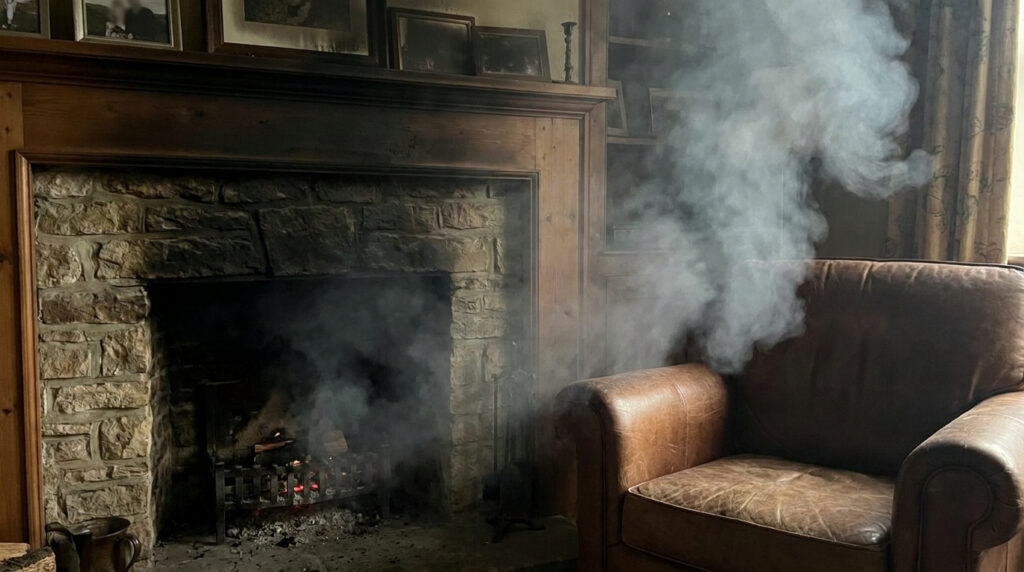
Creosote is an inevitable byproduct of burning wood, but letting it accumulate inside your chimney flue is the single leading cause of destructive home chimney fires. As smoke travels up a cold flue, it condenses into a sticky, highly flammable substance that grips onto interior masonry and liner walls.
Professional creosote removal eliminates hazardous buildup, restores proper flue ventilation, and ensures your fireplace remains safe to burn all winter long.
Professional Creosote Removal Services
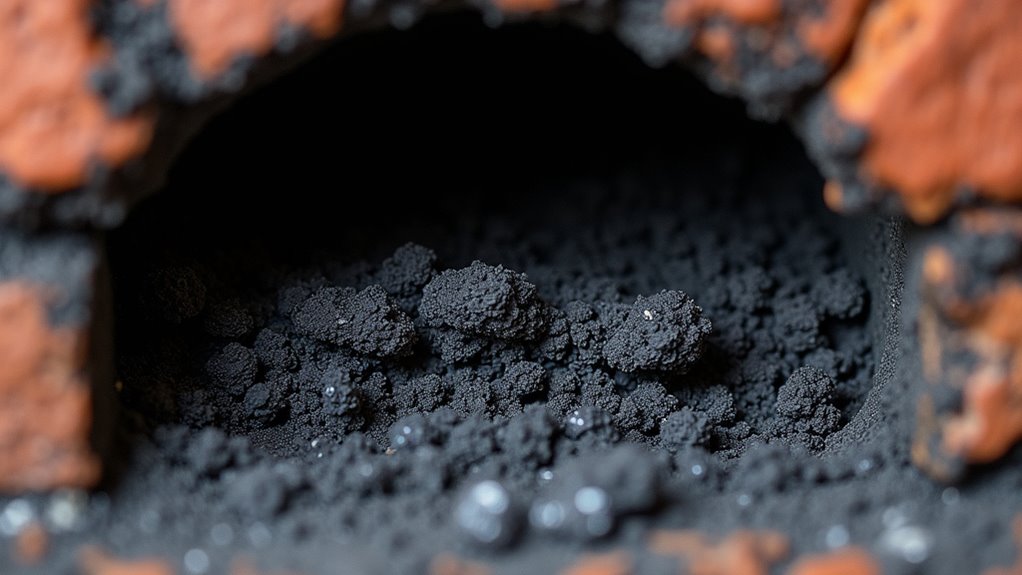
Not all creosote is created equal. As creosote bakes onto flue walls over time, it undergoes chemical changes that make it progressively harder, and more dangerous to clean.
| Stage | Appearance & Texture | Flammability | Removal Method |
| Stage 1 (Sooty Dust) | Fluffy, dark grey or black powdery dust | Low to Moderate | Standard chimney sweeping brushes and rotary rods |
| Stage 2 (Crunchy Flakes) | Hard, dark, shiny flakes or tar-like pebbles | High | Heavy-duty steel rotary whips and scraper attachments |
| Stage 3 (Glaze) | Hard, dense, glassy black tar poured over flue | EXTREME | Specialized anti-creosote chemical treatments & thermal glaze removal |
What Is Creosote and Why Is It Dangerous?
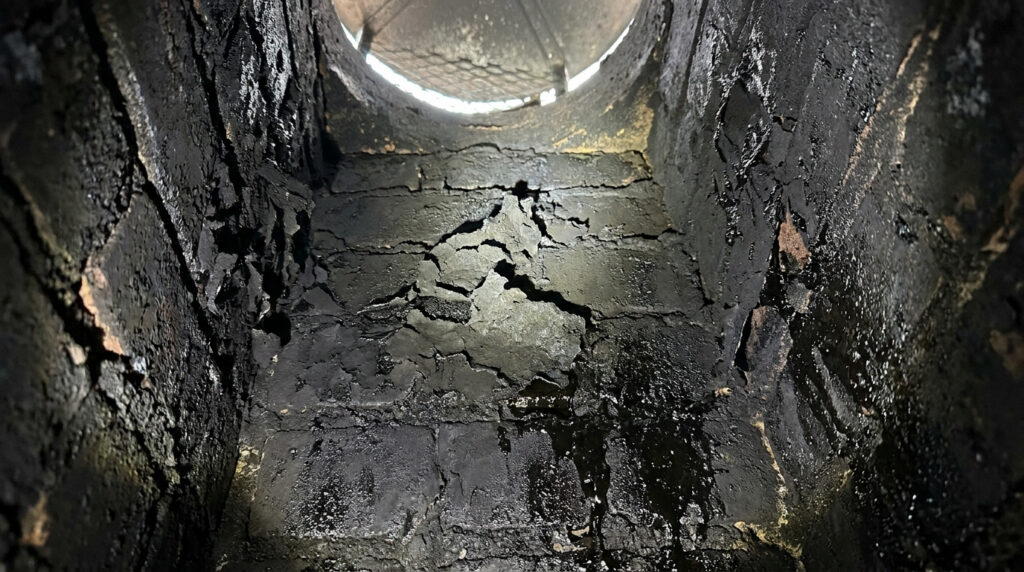
Creosote is a highly flammable, tar-like compound created when unburned wood gases, water vapor, and smoke condense inside a cool chimney flue. As layers build up over time, the hazard escalates dramatically:
- Extreme Fire Risk: Glazed creosote acts like solid fuel lining your flue. When ignited, it creates fires burning at over 2000F that can crack masonry and spread to structural wood framing.
- Flue Blockage: Heavy buildup restricts airflow, choking your fire and forcing toxic carbon monoxide (CO) gas back into your home.
- Corrosive Damage: Creosote traps ambient moisture against flue tiles, causing ceramic liners to crack and metal pipes to rust out prematurely.
Our Professional Chemical & Mechanical Removal Process
Standard sweeping brushes simply glide over hardened Stage 3 glaze without removing it. We utilize advanced two-step chemical and mechanical restoration protocols:
Step 1: Chemical Anti-Flue-Gel Treatment
We apply a specialized, professional-grade chemical catalyst directly onto the glazed surfaces. Over several days or thermal heat applications, the chemical reacts with the tar, breaking down its chemical bond and converting the hard glaze into a brittle, flaky ash.
Step 2: Mechanical De-Glazing Sweep
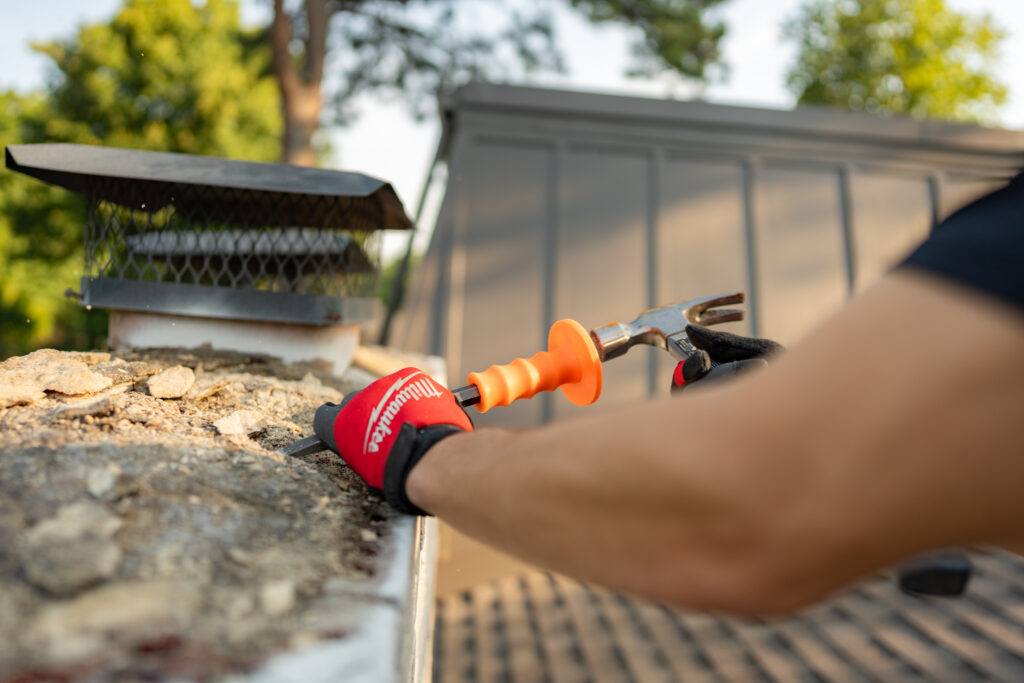
Once the glaze is broken down, we use high-powered rotary whip systems and specialized steel cables to safely scrub the brittle residue off the flue walls. Continuously running HEPA filtration vacuums ensure all loosened material is safely contained and removed from your home.
What Causes Glazed Creosote?
Preventing creosote return starts with understanding what causes it. Common factors include:
- Burning Green or Unseasoned Wood: Firewood with high moisture content (>20%) creates cool, wet smoke that quickly turns into tar glaze.
- Restricted Airflow / Oversized Flues: Smoldering fires or flues that are too large slow down smoke velocity, causing gases to cool before escaping.
- Cold Chimney Stacks: Exterior masonry chimneys exposed to cold winter air cool flue gases prematurely.
Smoke Chamber Cleaning & Parging Repair
Located directly above the damper and below the flue liner, the smoke chamber acts as a funnel to draw smoke smoothly up and out of your chimney. Because it sits in a high-heat, high-friction area, it easily accumulates dangerous creosote and suffers structural deterioration over time.
We provide comprehensive smoke chamber cleaning and restoration to eliminate fire hazards, optimize draft, and repair damaged masonry before major structural issues occur.