
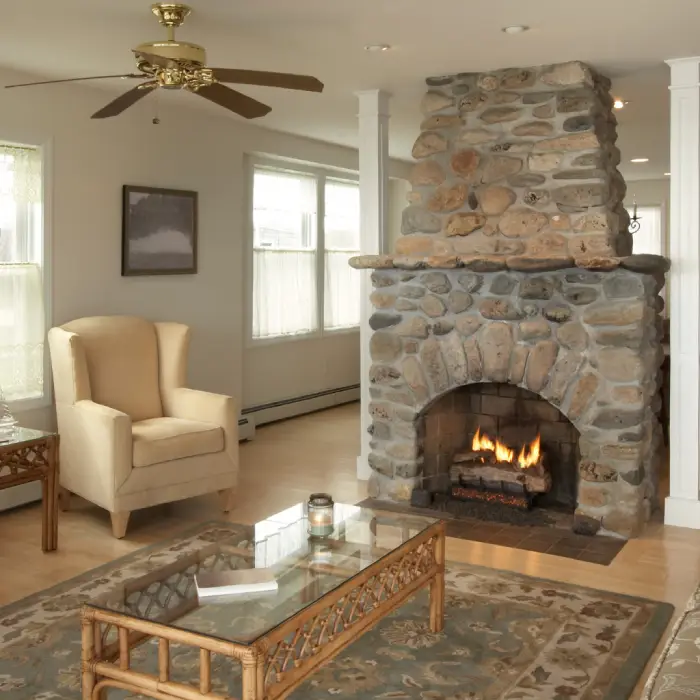
What Our Inspection Covers
During our inspections, ChimneyGuard carefully evaluates the critical components of your chimney system, including:
- Firebox, Checked for deterioration, cracks, and safe containment of heat
- Smoke Chamber, Examined for proper construction and venting performance
- Flue Liner, Inspected for damage, gaps, or buildup that could create hazards
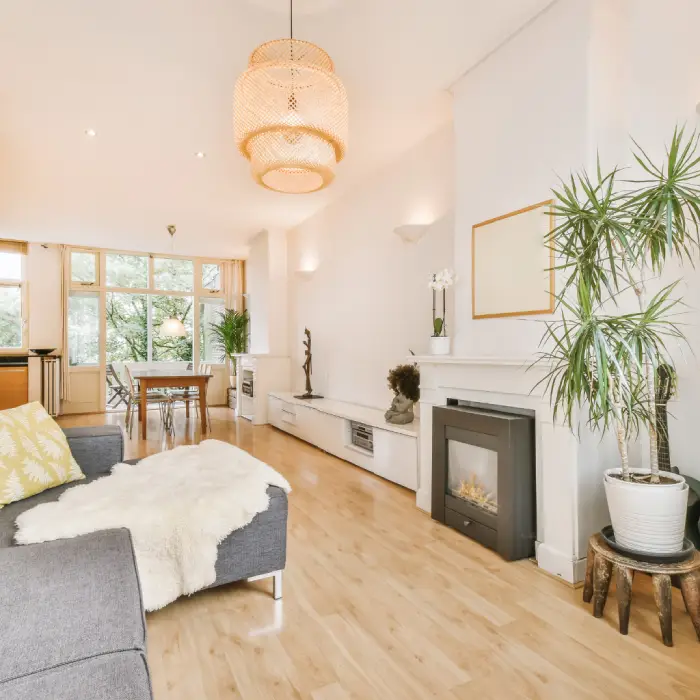
Why Chimney Inspections Matter
A neglected chimney can accumulate creosote, develop structural damage, or create hidden blockages that may lead to dangerous chimney fires. Some chimney fires burn slowly and go unnoticed, while others are sudden and severe, potentially causing extensive property damage.
Routine inspections help:
- Detect problems early before costly repairs arise
- Ensure safe ventilation of smoke and gases
- Prevent fire risks and structural deterioration
- Keep your fireplace operating efficiently and safely
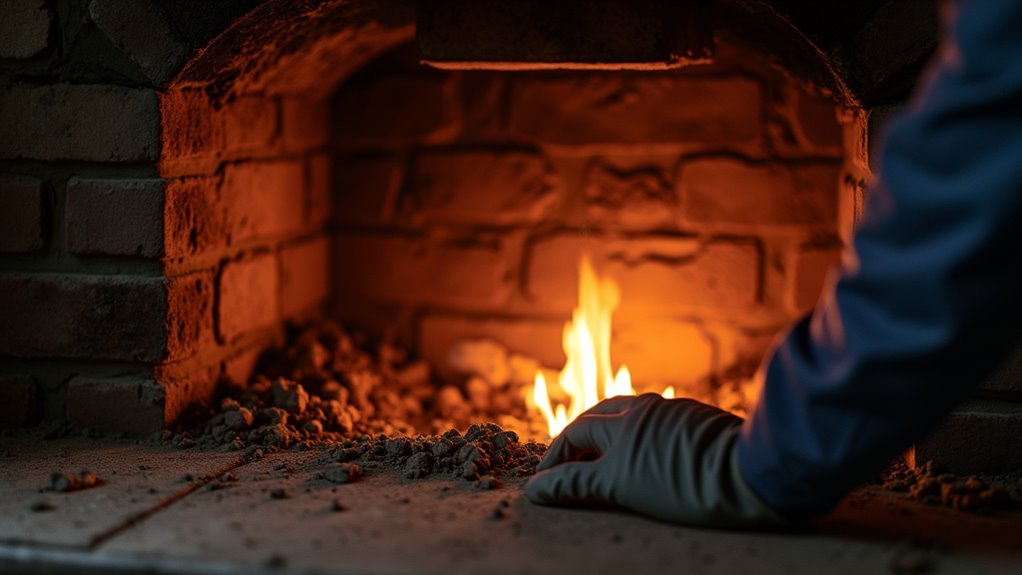
Wood-Burning Fireplace Inspection
A wood-burning fireplace brings warmth, atmosphere, and charm to any home. However, because it relies on open combustion, regular maintenance and safety checks are crucial. A professional fireplace inspection ensures your system is safe to operate, structurally sound, and burning efficiently.
Even if your fireplace seems to be working fine, hidden hazards can develop over time.
- Prevent Chimney Fires: Flammable creosote buildup is the leading cause of chimney fires.
- Avoid Carbon Monoxide Risk: Blockages or cracks can cause toxic combustion gases to backdraft into your living space.
- Identify Structural Damage: Moisture, freeze-thaw cycles, and heat can cause masonry to crack, bricks to loosen, and flue tiles to deteriorate.
- Ensure Insurance Compliance: Many home insurance policies and home sales require proof of an up-to-date inspection.
level 1 inspection
- Most popular
Routine inspection
For regularly used chimneys with no known issues. Your annual safety checkup.
$49
starting price
what's included
- Visual inspection of all accessible areas
- Firebox & damper condition check
- Smoke chamber & flue opening
- Exterior crown & cap check
- Written safety report with findings
- Cleaning recommendation if needed safe ventilation of smoke and gases
- Video camera scan of flue liner
- Attic or crawlspace access
- Structural opening or removal
level 2 inspection
Camera Inspection
Required for home sales. Recommended after any chimney fire or major storm damage.
Call for pricing!
what's included
- Everything in Level 1 plus:
- Video camera scan of full flue liner
- Attic & crawlspace inspection
- Accessible concealed areas checked
- Required for real estate transactions
- Video recording shared with you
- Removal of chimney components
- Opening of walls or concealed structures
level 3 inspection
Structural Inspection
For serious suspected damage that can’t be seen with Level 1 or 2. Rarely needed.
Call for pricing!
what's included
- Everything in Level 1 and 2 plus:
- Opening of concealed areas if required
- Removal of components for access
- Full structural hazard assessment
- Recommended after major chimney fires
- Comprehensive written report
- NOTE:
May require opening walls. Restoration costs are separate if damage is found.